I spent three years living in a 400-square-foot studio that felt more like a walk-in closet than an actual home. My knees hit the coffee table every time I tried to sit down. It was miserable. I finally figured out that most “small space” advice is just plain wrong—you don’t need less stuff, you just need stuff that doesn’t eat your soul.
I wasted thousands of dollars on furniture that made my place feel like a storage unit. Now, I’ve got it down to a science. These hacks aren’t about being a minimalist (because I love my junk), they’re about tricking your eyes so you don’t feel like the walls are closing in on you while you’re trying to watch Netflix.
Stop buying furniture that sits flat on the floor
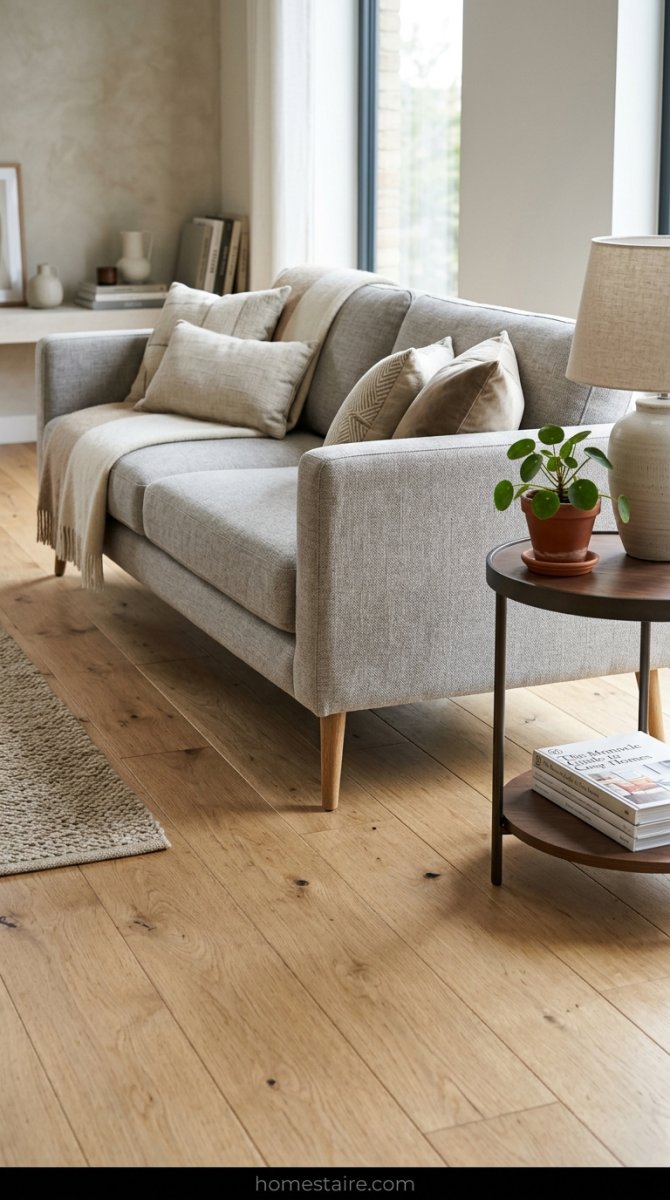
Look at your couch right now. Does it sit directly on the carpet like a giant, heavy brick? If it does, you’re killing the vibe. When you can see the floor under your chairs and sofas, your brain thinks the room is bigger than it actually is. It’s a weird optical trick—but it works every single time.
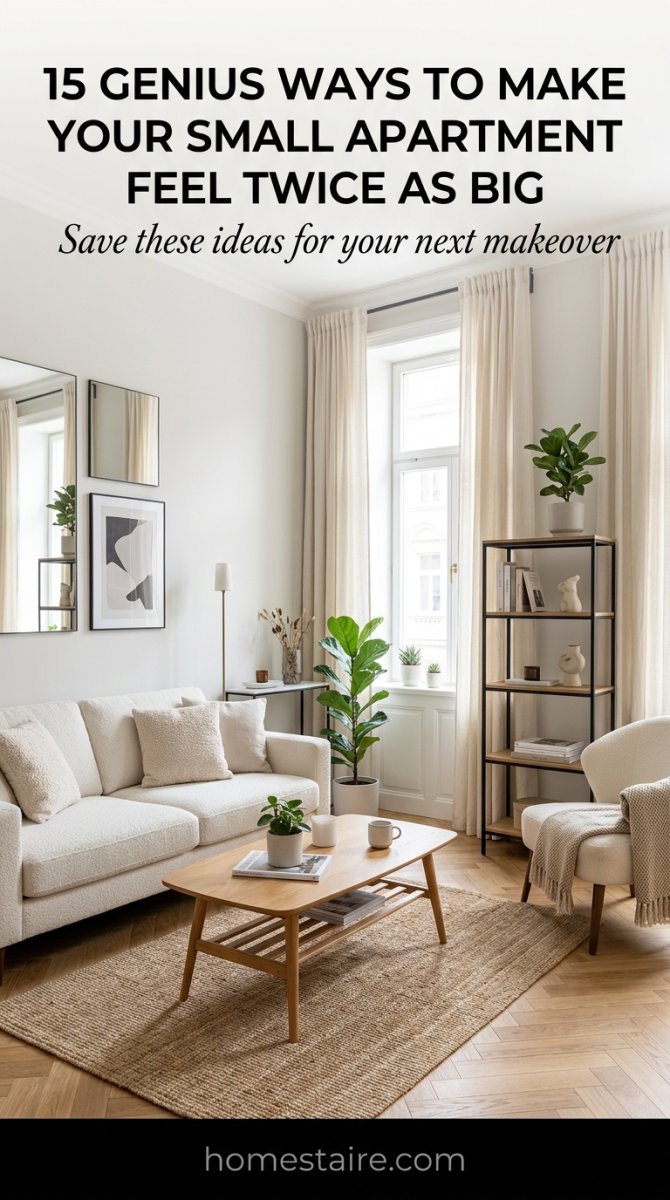
I swapped my boxy IKEA sofa for one with “pencil legs”—those skinny mid-century ones—and suddenly I could breathe again.
Seriously. If your furniture has legs, the light flows under it and the room feels “airy” instead of cramped. Avoid anything with a “skirt” or a solid base that touches the floor. You want to see as much of your floorboards as possible.
The rug size mistake I made for years
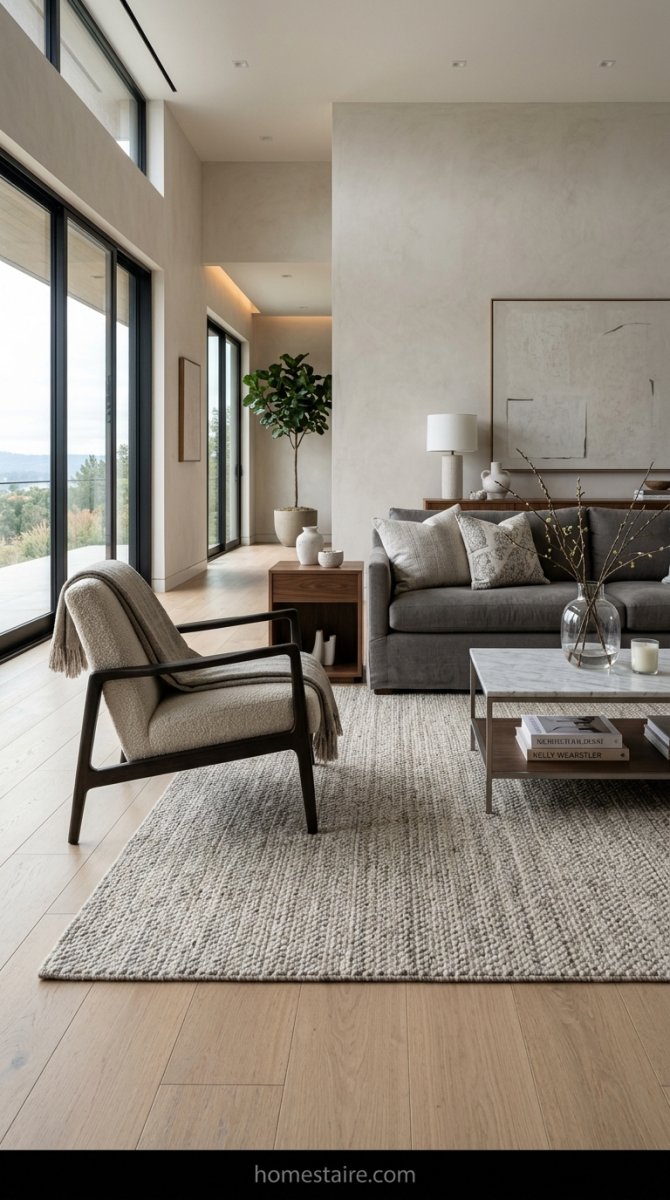
I used to buy those “postage stamp” rugs because they were cheap and I thought a small rug belonged in a small room. Big mistake. A tiny rug makes your living room look like a dollhouse—and not in a cute way. It chops up the floor and makes everything look cluttered and messy.
You want a rug that’s actually big enough for all your furniture legs to sit on.
I bought an 8×10 for my tiny space and my friends thought I was insane. They were wrong. It made the whole room feel like a “zone” instead of a random pile of furniture. A big rug anchors the space and stretches the room out visually. Trust me on this one—go bigger than you think you need.
Why I am obsessed with see-through coffee tables
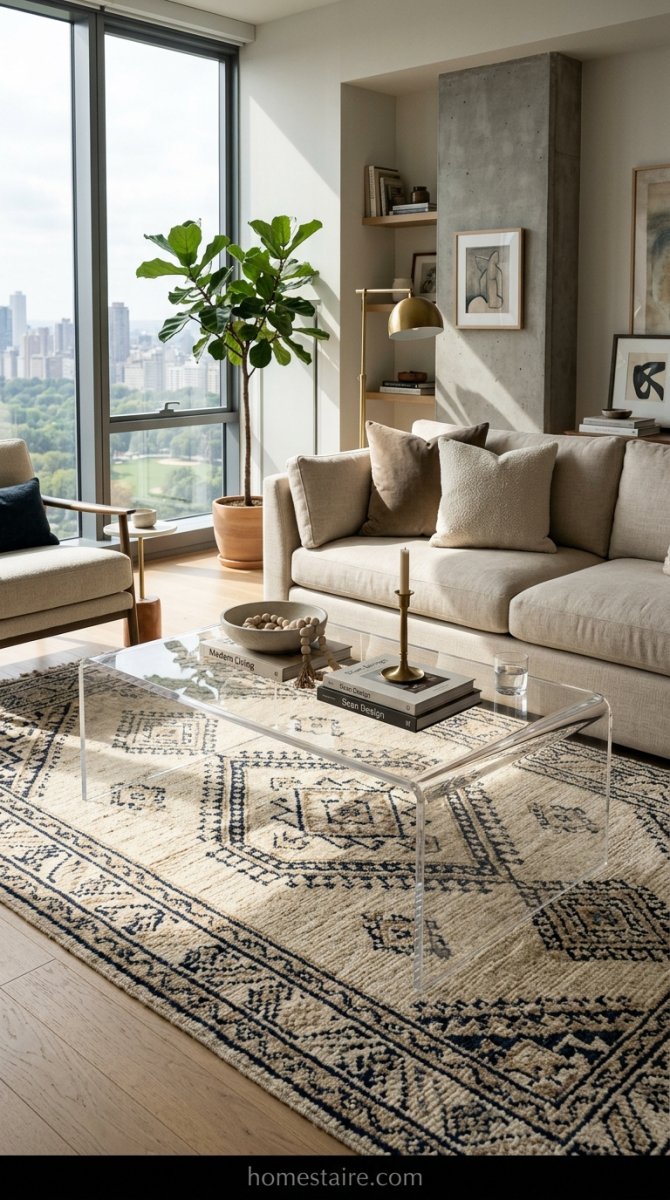
I’m telling you right now, acrylic or glass furniture is a total cheat code for tiny apartments. My old wooden coffee table was a dark void that sucked up all the light in the room. It felt like a giant boulder in the middle of my path.
Then I found this clear “ghost” table at a thrift store. It basically disappears.
You get the surface area to put your coffee or your books, but your eyes just slide right past it to the wall. It feels like I gained two feet of floor space overnight. It’s basically invisible furniture. Plus, it’s super easy to wipe down when I inevitably spill my drink.
Hang your curtains way higher than you think
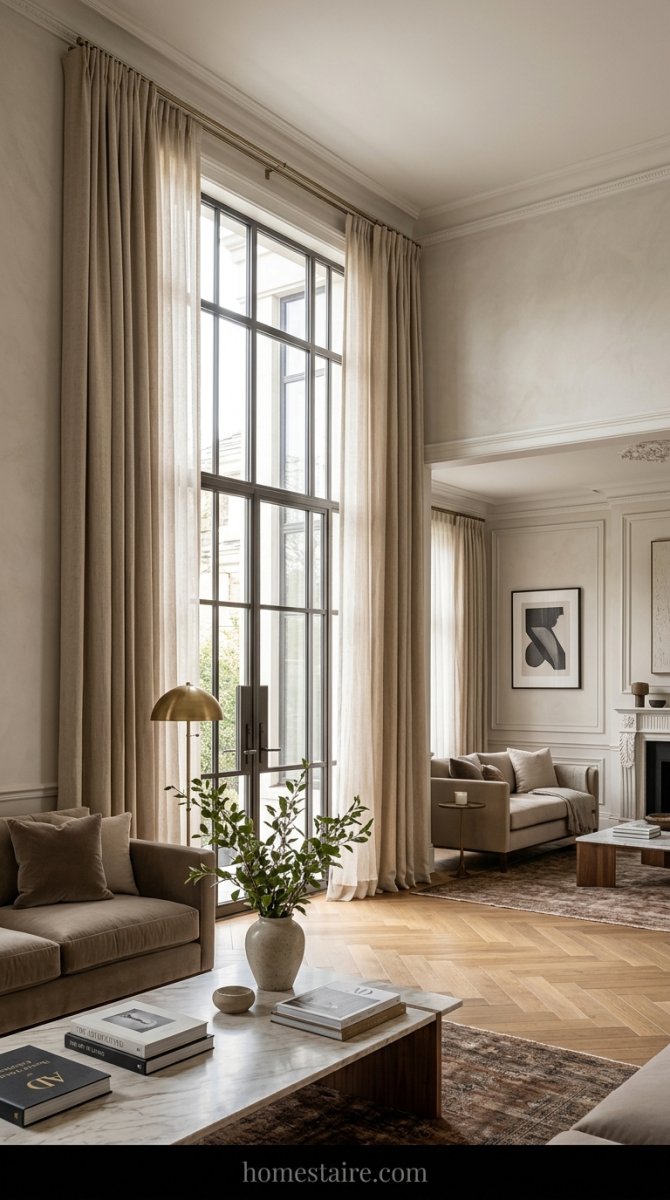
Most people hang their curtain rods right at the top of the window frame. Stop doing that. It makes your ceiling look low and depressing. I started mounting my rods literally three inches below the ceiling line—way higher than the actual window itself.
It’s a total lie, but it makes the windows look massive.
My ceilings are only eight feet high, but after I moved the curtains? They look like they belong in a fancy loft. Get the extra-long curtain panels so they still hit the floor. If they “float” halfway down the wall, the whole effect is ruined. Grab a ladder and fix it today—it takes twenty minutes and changes everything.
I stopped pushing my couch all the way against the wall
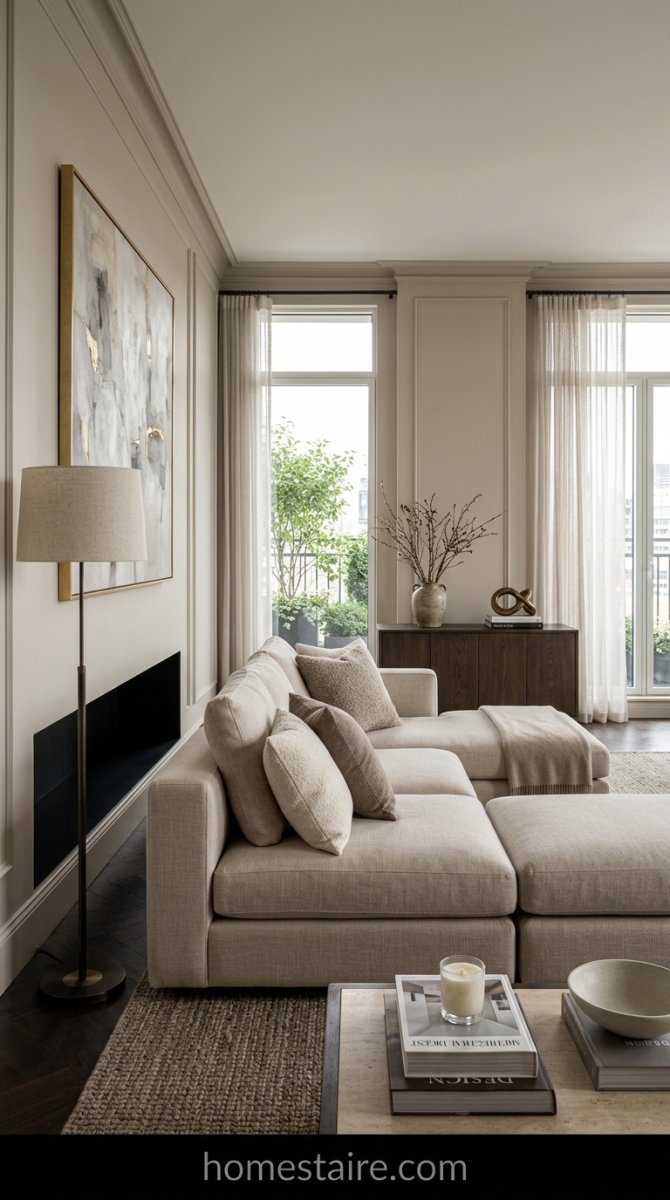
I used to jam my sofa right up against the drywall like I was playing a high-stakes game of Tetris. I thought I was “maximizing” every square inch of my floor. I was wrong. It just made the whole room look stiff and claustrophobic.
Pulling it out just three inches—seriously, just three—changes the entire vibe. It creates a tiny bit of negative space that lets the room breathe behind the cushions. It’s a mental trick. When the couch isn’t suffocating the wall, the room feels like it has actual depth.
Try it. Your living room won’t feel like a box anymore.
Use mirrors to trick your brain into seeing a window
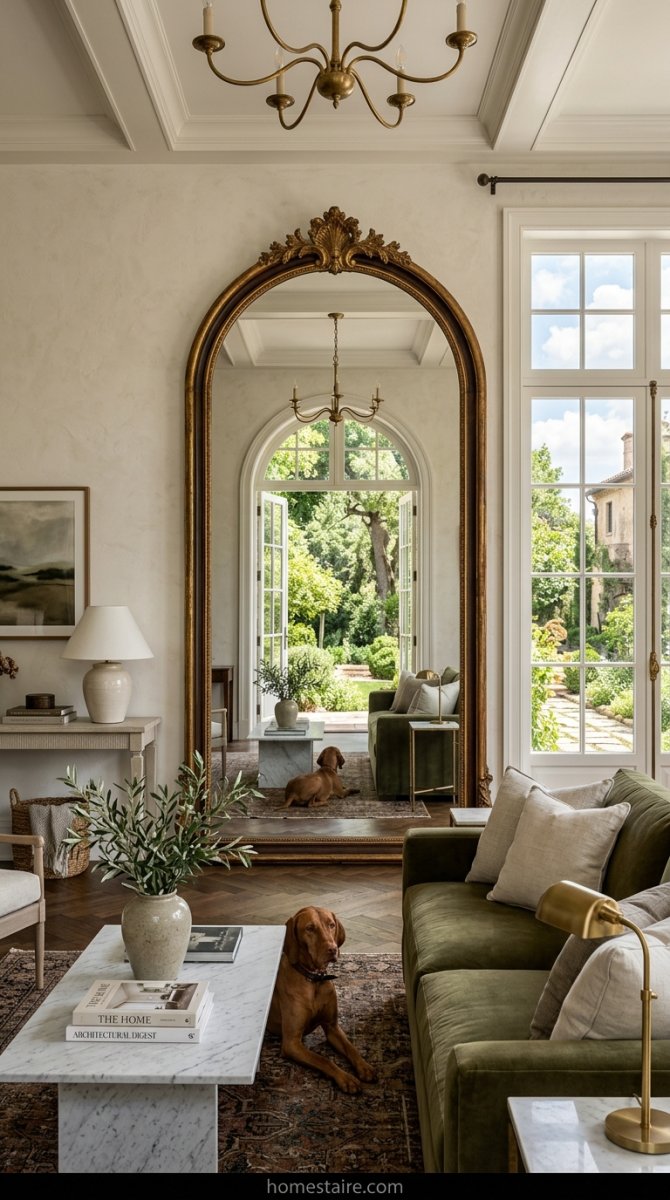
My last place was basically a windowless cave that smelled like old radiators. I hated waking up there. To fix the gloom, I grabbed a massive, arched mirror from a thrift store and slapped it opposite the only real light source in the room.
It doesn’t just reflect light. It tricks your lizard brain into thinking there’s an extra exit or a hidden hallway. I’ve seen people literally try to walk “into” a well-placed mirror because they thought it was another room. That’s the goal.
Don’t buy those tiny decorative mirrors. Go big or stay home.
Get a lamp that clips to your shelves to save space
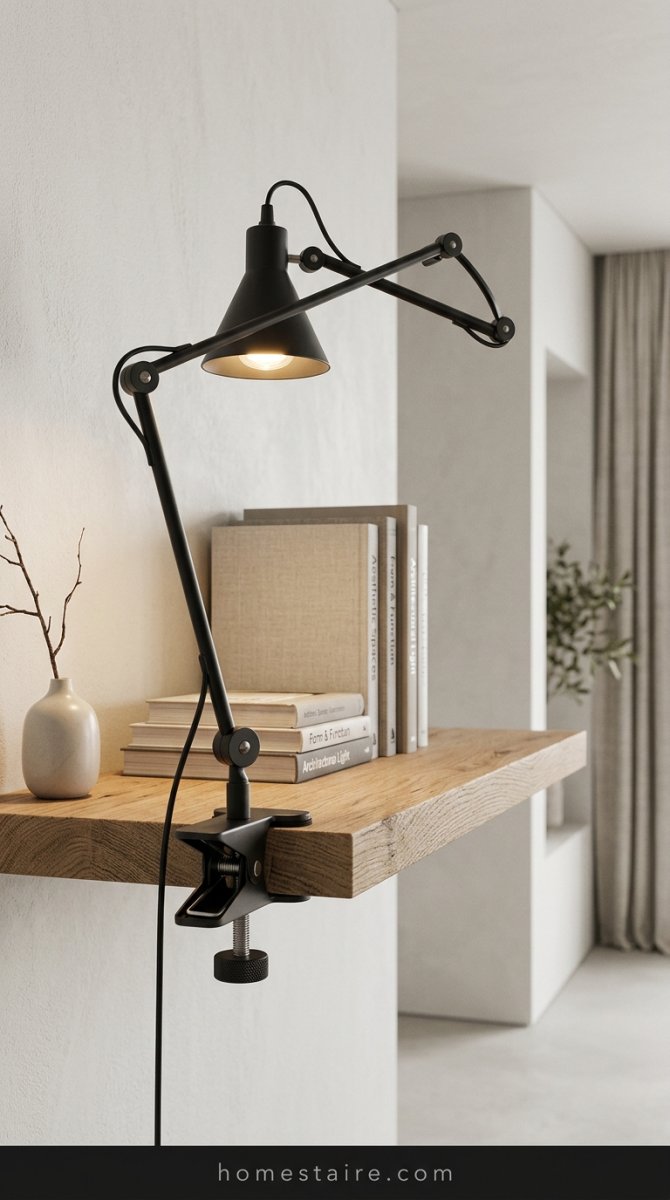
Floor lamps are total space hogs. I tripped over the heavy marble base of my fancy brass lamp so many times I almost threw it out the window in a fit of rage. I’m done with things that take up floor real estate.
Now? I’m all about those “ugly” metal clamp lights you find in hardware stores or art studios. I clip them right onto my bookshelves or the edge of a TV stand. It keeps the floor clear for my feet and my dog.
Plus, you can point the light exactly where you need it without moving a heavy piece of furniture.
Small prints are way better than huge patterns
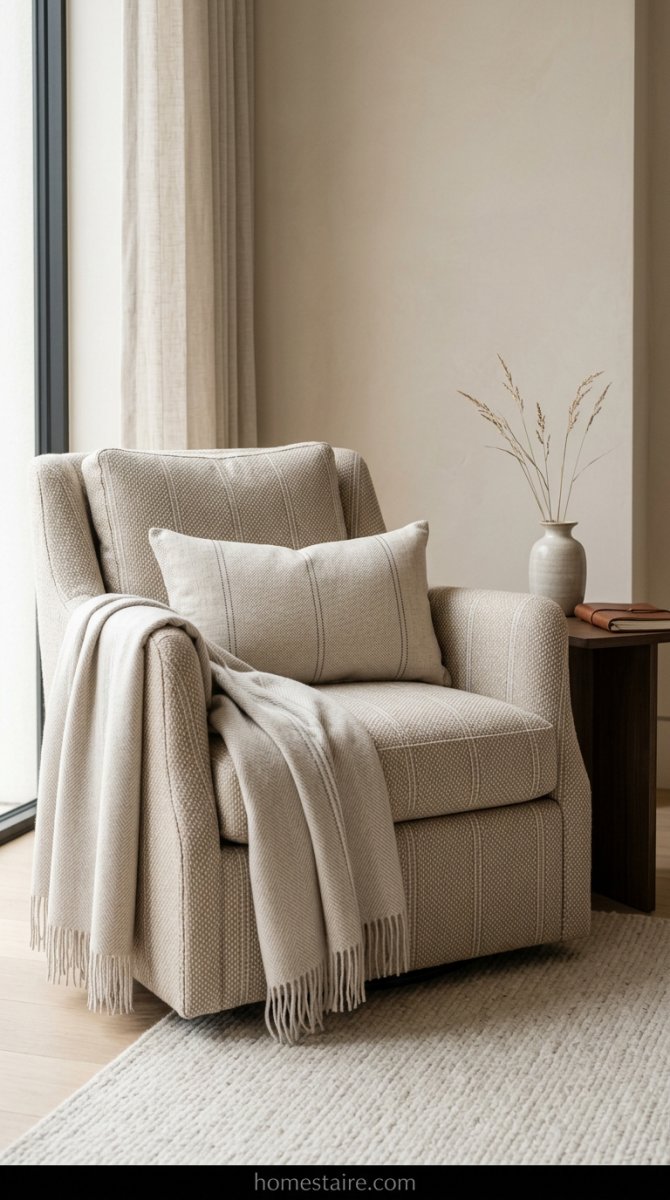
I bought a rug with these massive, giant floral patterns once. Total disaster. It made my studio look like a tiny postage stamp within five minutes of rolling it out. Big prints demand your attention and make the walls feel like they’re closing in on you.
If you want a pattern, go tiny. Micro-dots, thin pinstripes, or small geometric shapes won’t scream for attention. They just fade into the background.
It’s about visual “noise.” Keep the noise low.
Why a wall-mounted desk changed my living room vibes
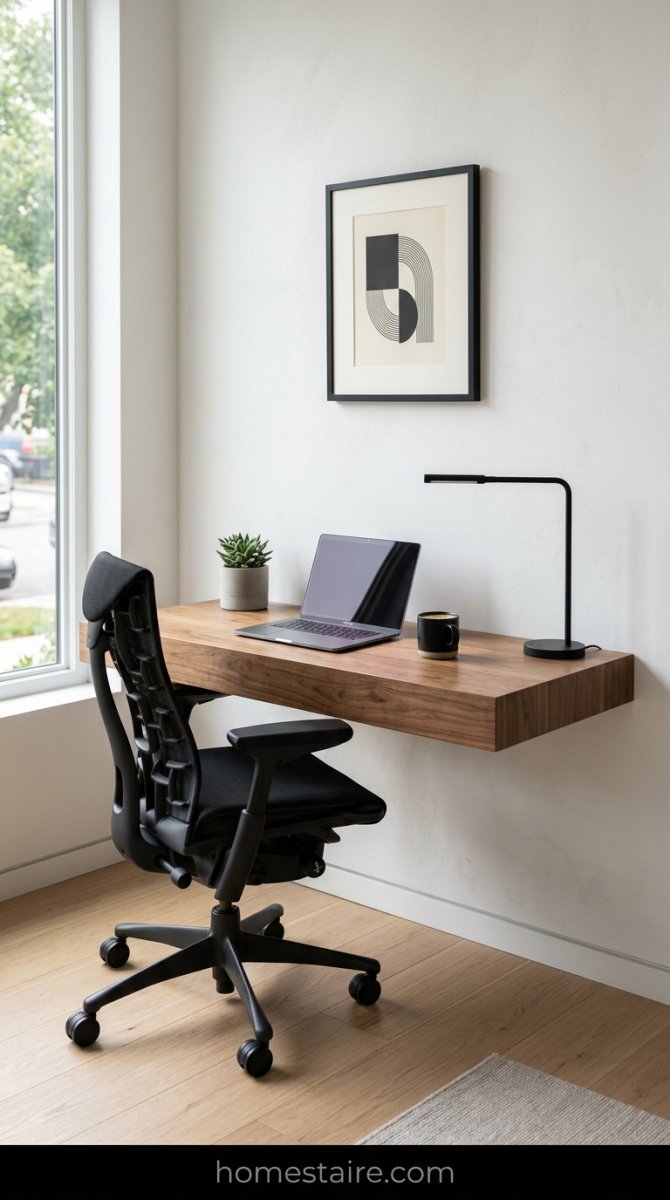
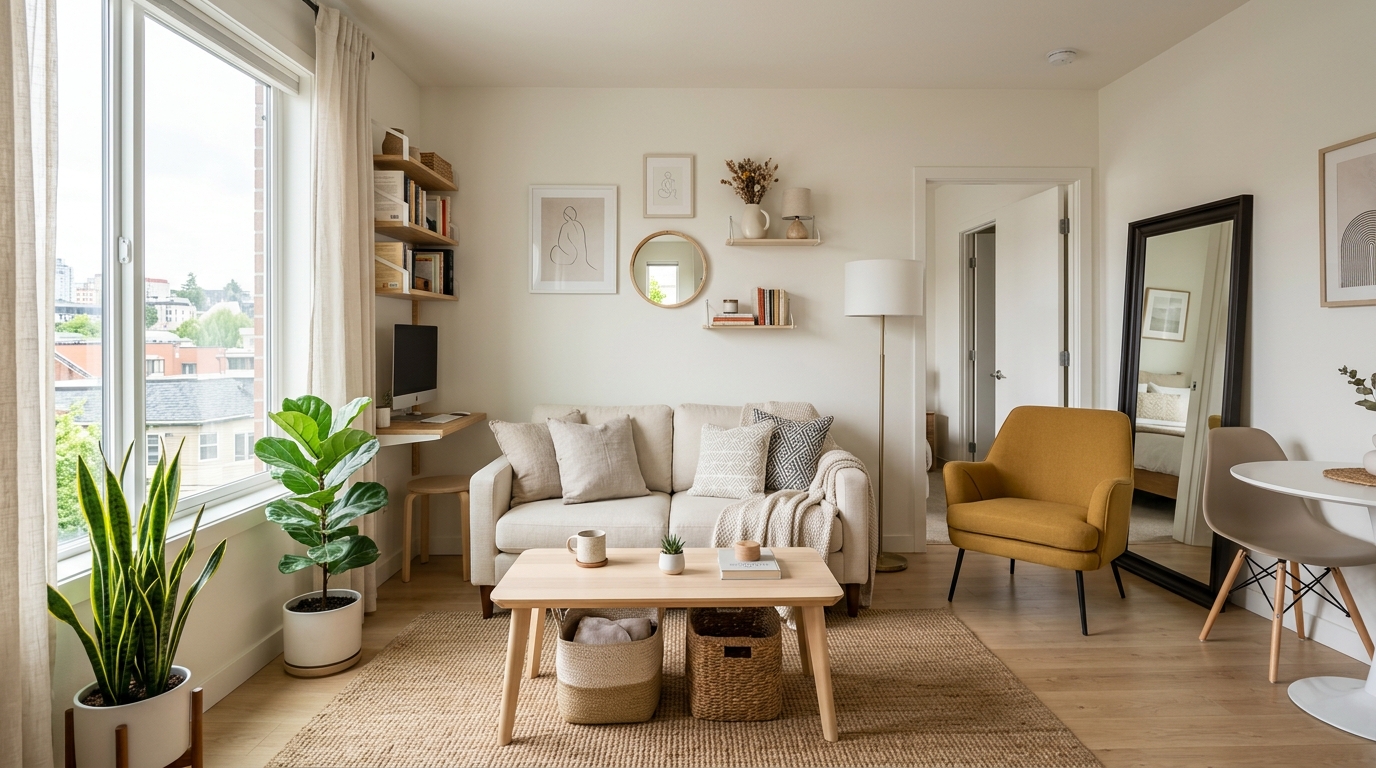
Working from my couch was killing my back, but a “real” desk felt like a lead weight in the corner of my tiny living area. I finally caved and bolted a simple floating shelf to the wall at desk height.
No legs. No bulk. No drawers to stuff with trash I don’t need.
Because you can see the floor underneath the desk, your eyes think the room is bigger than it actually is. It’s wild how much four wooden legs can clutter up a room’s energy. My living room finally feels like a place to actually hang out again, not just a cramped cubicle.
Pick a sofa with skinny arms or you will regret it
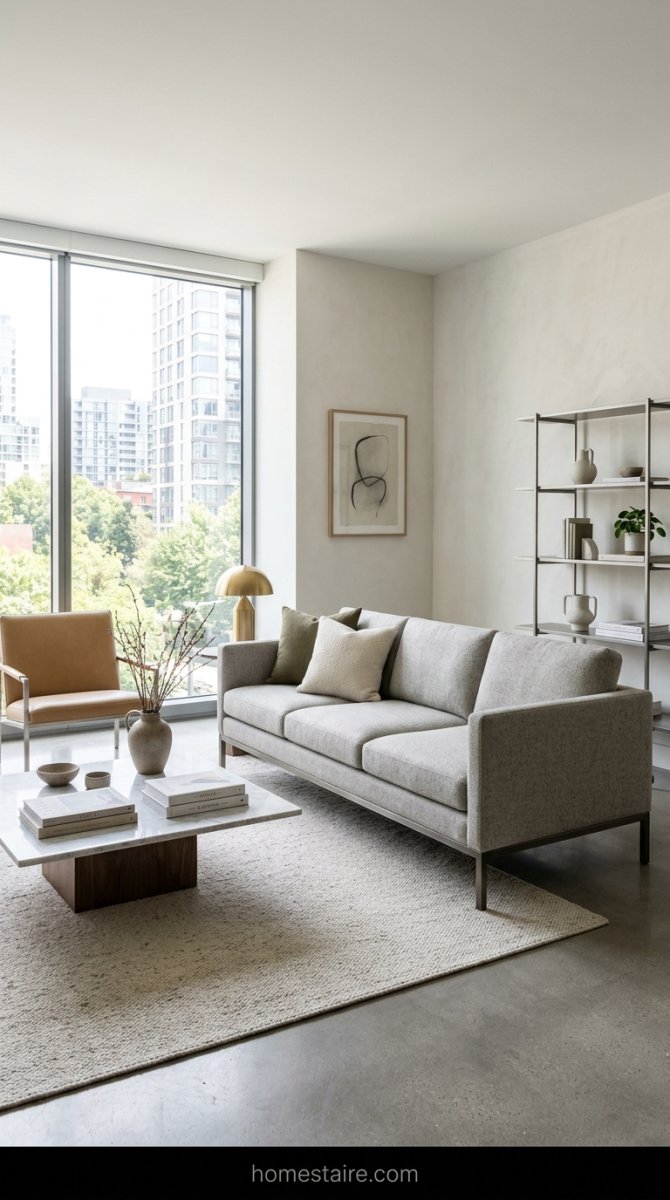
I learned this the hard way after dropping two grand on a “comfy” couch that basically ate my entire studio. Those thick, rolled arms look great in a mansion—but in a small apartment? They are literal space killers.
Seriously.
Every inch matters when your living room is the size of a postage stamp. Go for a track arm or something pencil-thin. You get the same seating area without losing a foot of floor space to useless foam and fabric that does nothing but make you feel trapped.
Floating shelves are the only way I stay organized
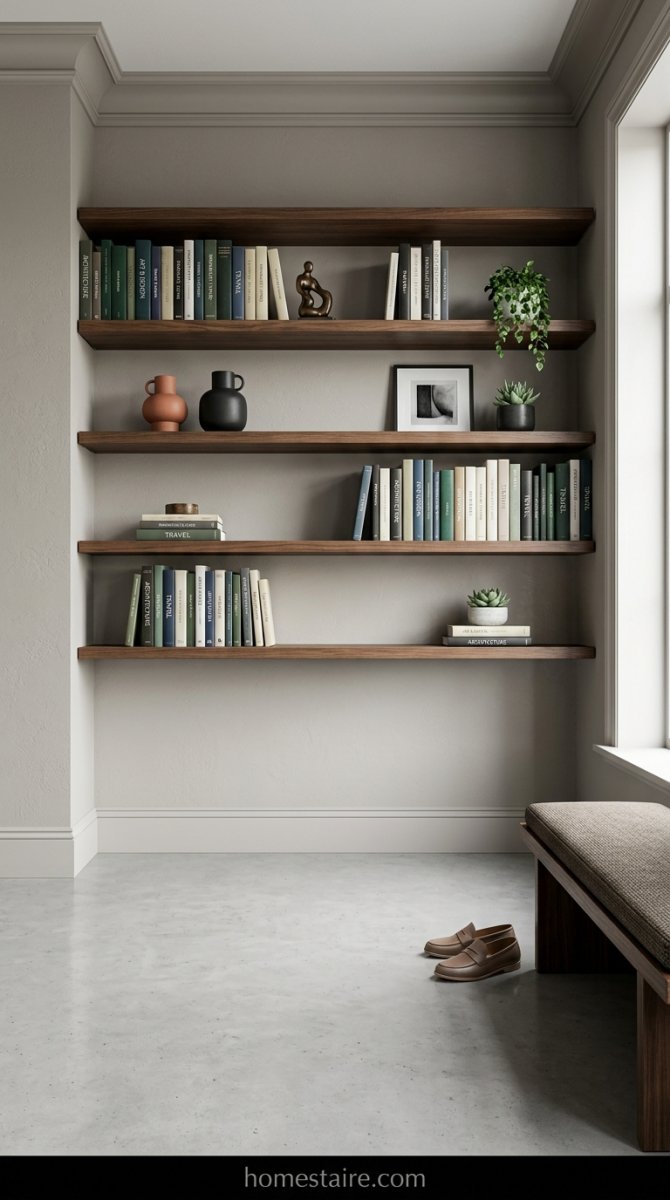
My floor used to be a graveyard for random boxes and stacks of magazines I never read. I realized that if it’s on the floor, the room feels like a cave. So I started bolting everything to the wall.
Floating shelves are my religion now.
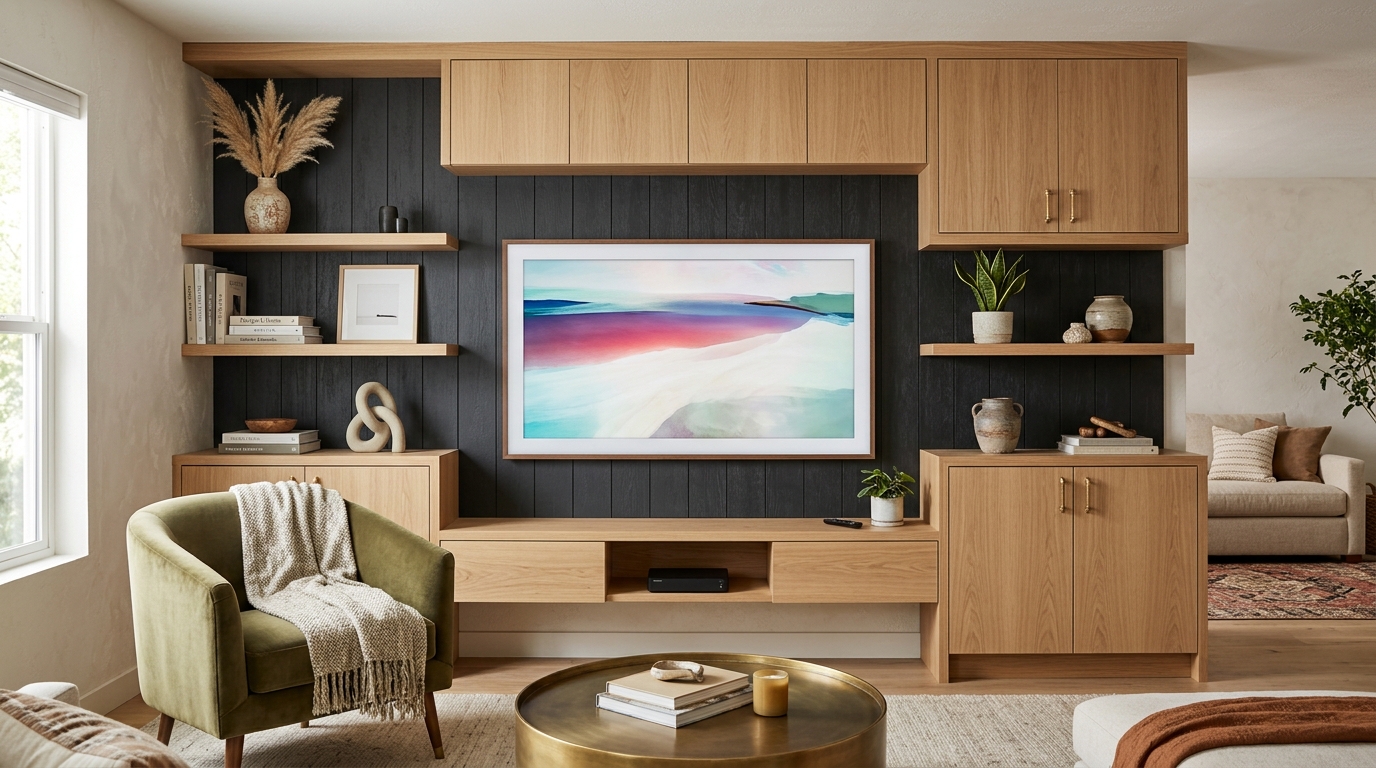
I put them way up near the ceiling to hold the stuff I don’t use every day (like those cookbooks I swear I’ll open eventually). It draws the eye up—away from my dog’s toy pile—and makes the walls feel taller than they actually are. It’s a cheap way to get more square footage out of thin air.
Try a monochrome look to stop the visual noise
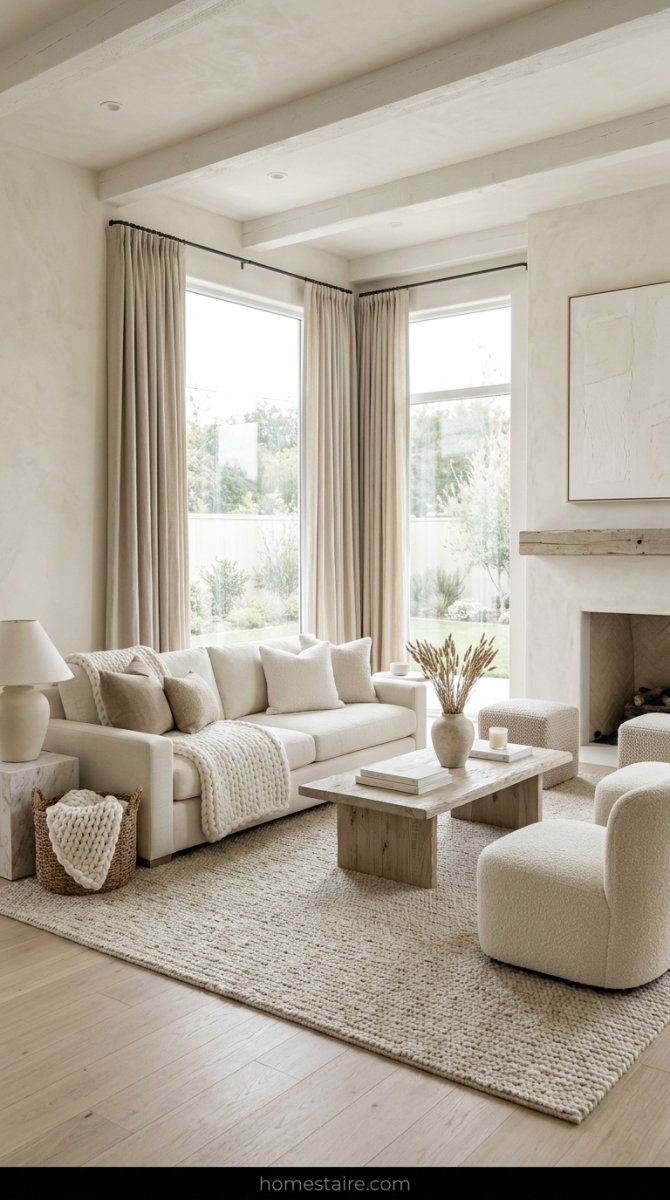
I used to think “pops of color” were the secret to a cool house, but in a tiny space, it just looks like a cluttered mess. My brain was tired just looking at it. I switched to a palette of whites, creams, and light greys and my heart rate actually went down.
When your walls, couch, and curtains all kind of vibe in the same color family, the boundaries of the room seem to disappear.
It’s like a magic trick for your eyes—it stops the “visual noise” that happens when your brain is jumping from a blue wall to a red pillow. If you want some variety, just mix textures (like a chunky knit throw on a linen sofa) so it doesn’t look like a hospital room.
Put a big plant in the corner and watch what happens
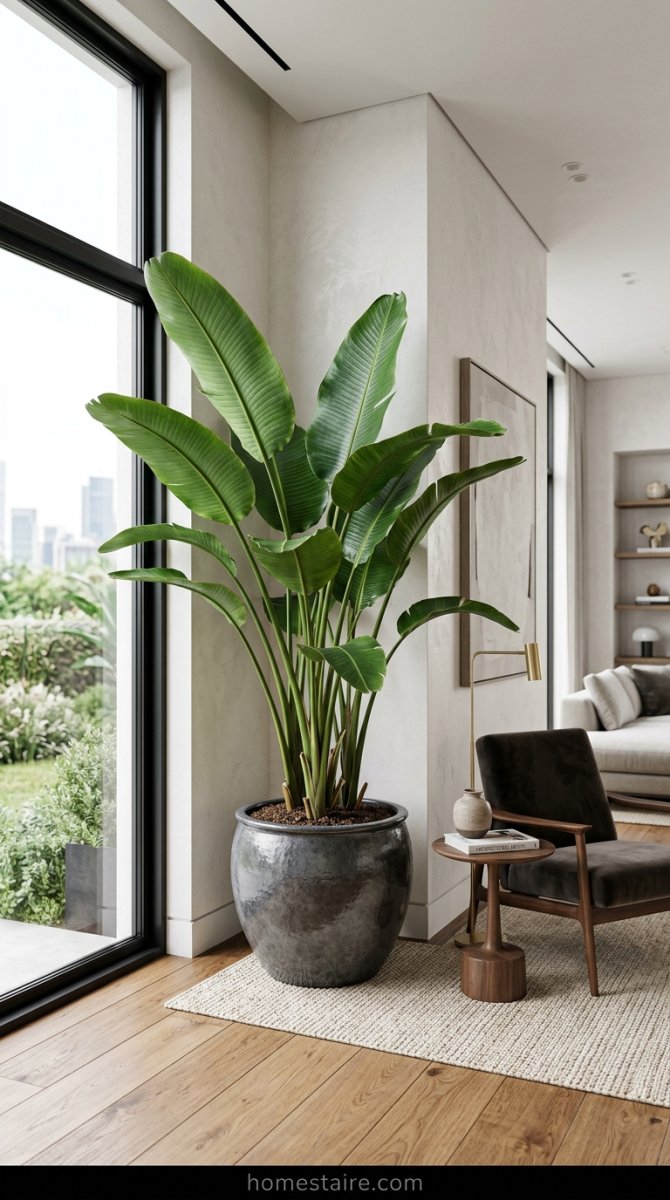
It sounds crazy to put a massive Bird of Paradise in a tiny corner, but trust me on this. Small plants in small pots just make a room look bitty and disorganized. I had ten little succulents on my windowsill and it looked like a mess—not a garden.
Go big or go home.
One giant, leafy monster makes the corner feel intentional rather than cramped. It adds a bit of life to a space that might otherwise feel like a literal box. Plus, seeing something that big and green makes you forget you’re living in a 400-square-foot walk-up.
Swap your coffee table for a tiny storage ottoman
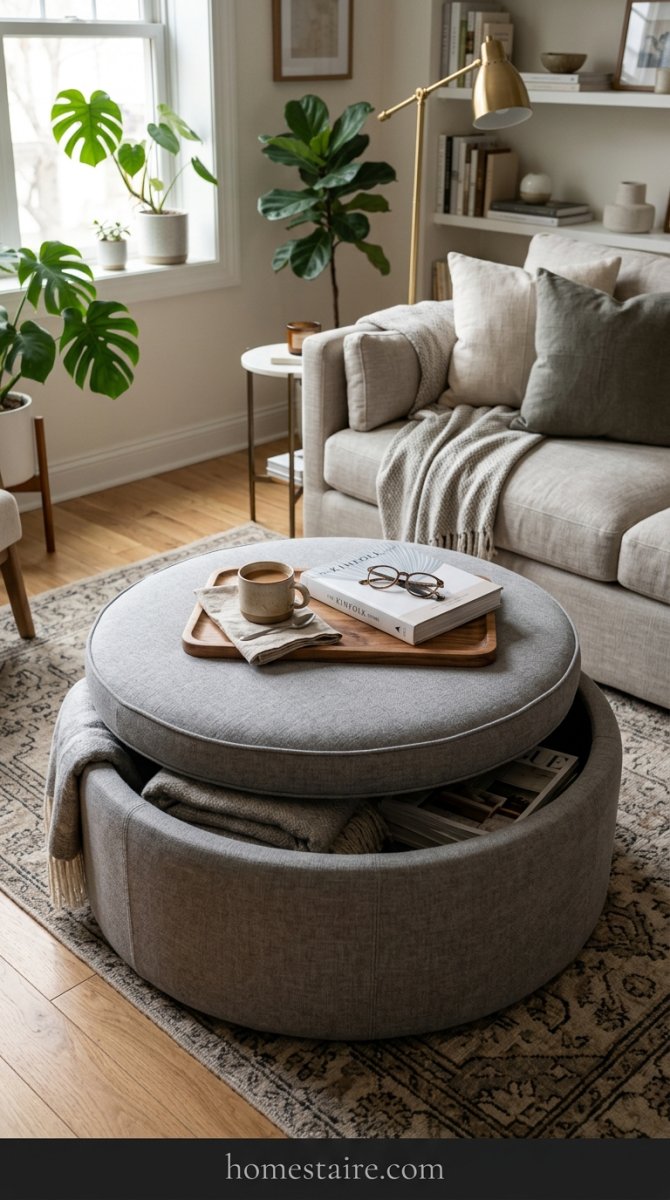
I finally gave away my heavy wood coffee table because I kept bruising my shins every time I tried to walk past it. In a small room, anything with sharp corners is an enemy.
Now I use a round storage ottoman.
It’s soft, it holds my extra blankets inside, and I can move it with one hand if I want to do a workout in the middle of the floor. If I need a place for a drink, I just put a little tray on top. It’s way more functional and doesn’t make the room feel like an obstacle course.
I started thinking vertically and it saved my sanity
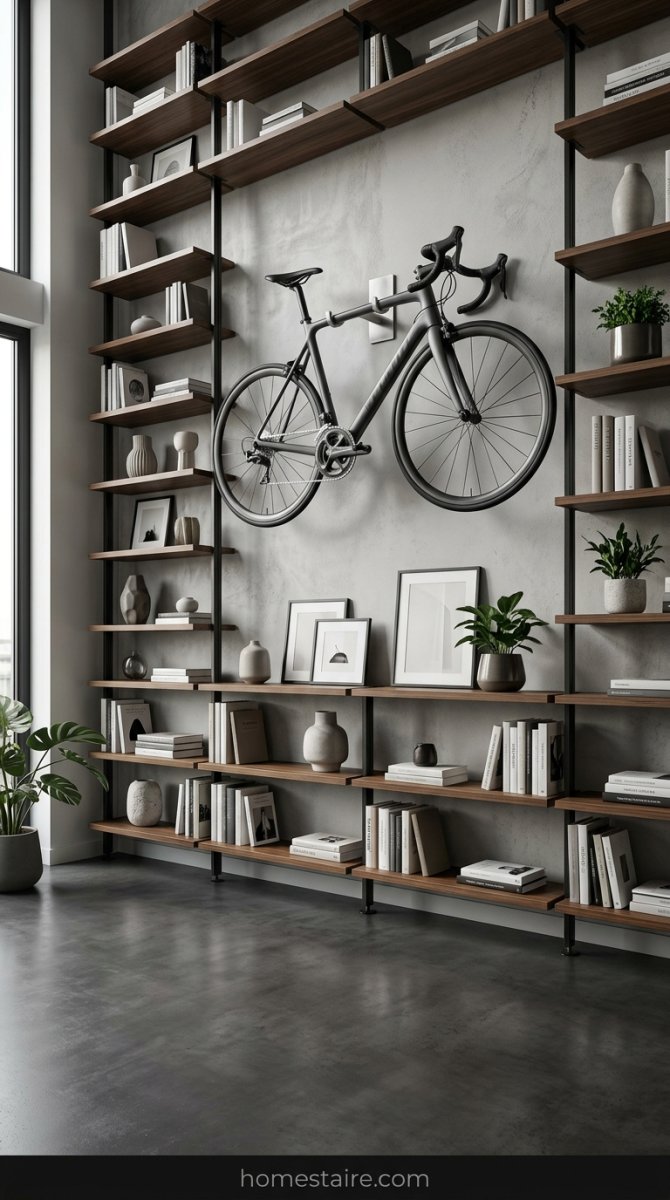
My first studio was barely 300 square feet and I felt like a rat in a box. I kept buying plastic bins that lived on the floor—big mistake. I finally realized the walls were basically free real estate that I was totally ignoring.
I bought these cheap hooks for my bike and a set of tiered shelves that go all the way to the ceiling. It’s wild. Suddenly, my floor was empty.
If you can’t walk across your room without doing a weird dance around your stuff, you’re doing it wrong. Go up.
Conclusion
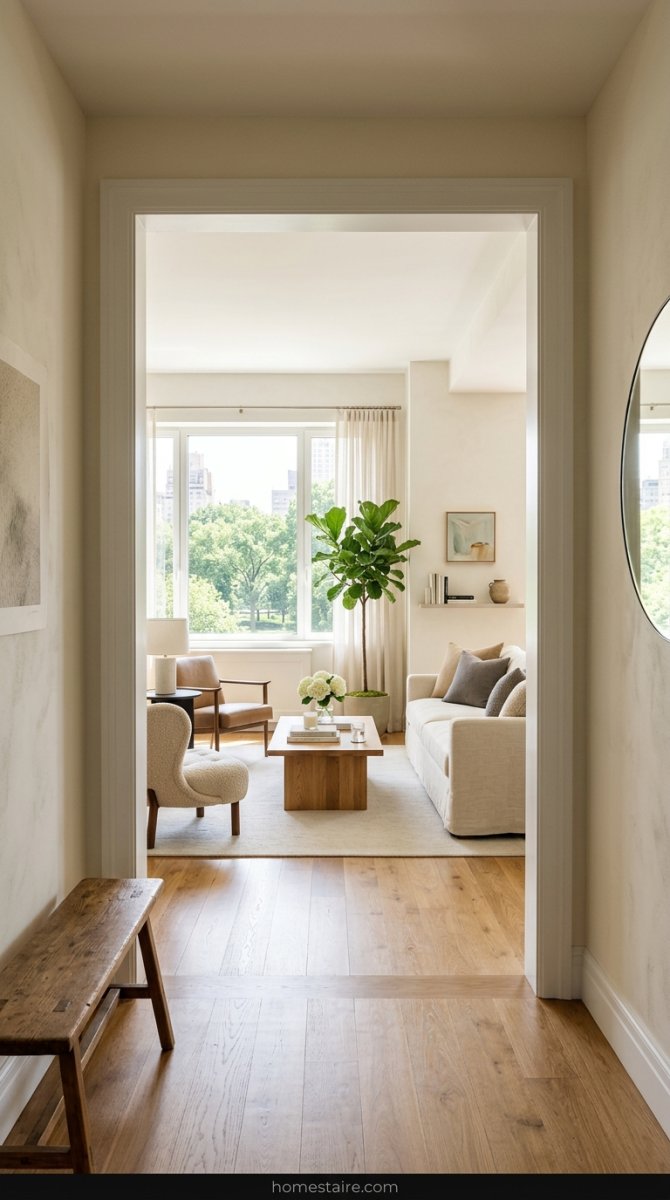
Look, nobody moves into a shoebox apartment because they love being cramped. But you can definitely make it less of a headache. Most of my “fixes” came from years of trial and error (mostly error).
Try one or two of these. See how it feels.
You might actually stop hating your living room by next Tuesday.