
I spent three weeks staring at rusty cast iron in a muddy field. My lower back still hates me for it. I wanted that “old money farmhouse” look without the $10,000 price tag or the soul-crushing fakeness of a showroom. Most “vintage” laundry rooms you see online are total lies—just new stuff painted to look old.
I learned the hard way that if you want the real deal, you have to get your hands dirty.
I made a ton of expensive mistakes so you don’t have to. We’re talking plumbing leaks, heavy lifting disasters, and a lot of wasted gas money. This isn’t a “buy this on Amazon” guide. This is for the people who want their house to actually feel like it has a history.
Stop looking at Pinterest and start hitting the local salvage yards
Pinterest is a trap. You see these perfect, airy rooms and think “I can do that with a trip to Target.” You can’t. Everything on those boards is either AI-generated or costs more than my first car. I wasted hours pinning stuff I could never find in the real world.
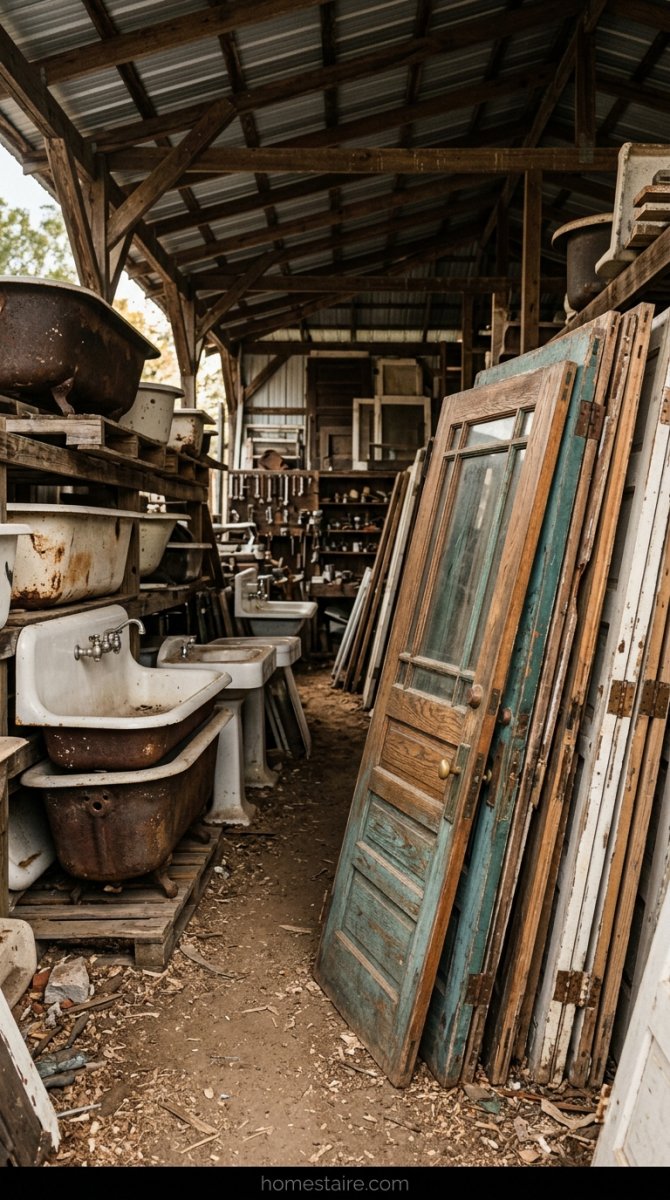
Then I drove to a weird salvage yard behind a tire shop. I found a massive utility sink for fifty bucks. It was covered in bird poop and cobwebs, but it was solid.
If a place has a polished website and a fancy logo, they’re going to overcharge you. Go to the places that don’t have a paved parking lot. The best stuff is usually buried under a pile of old doors and smelling like wet sawdust. Seriously.
Scouring Facebook Marketplace for a cast iron sink that won’t break your back (or floor)
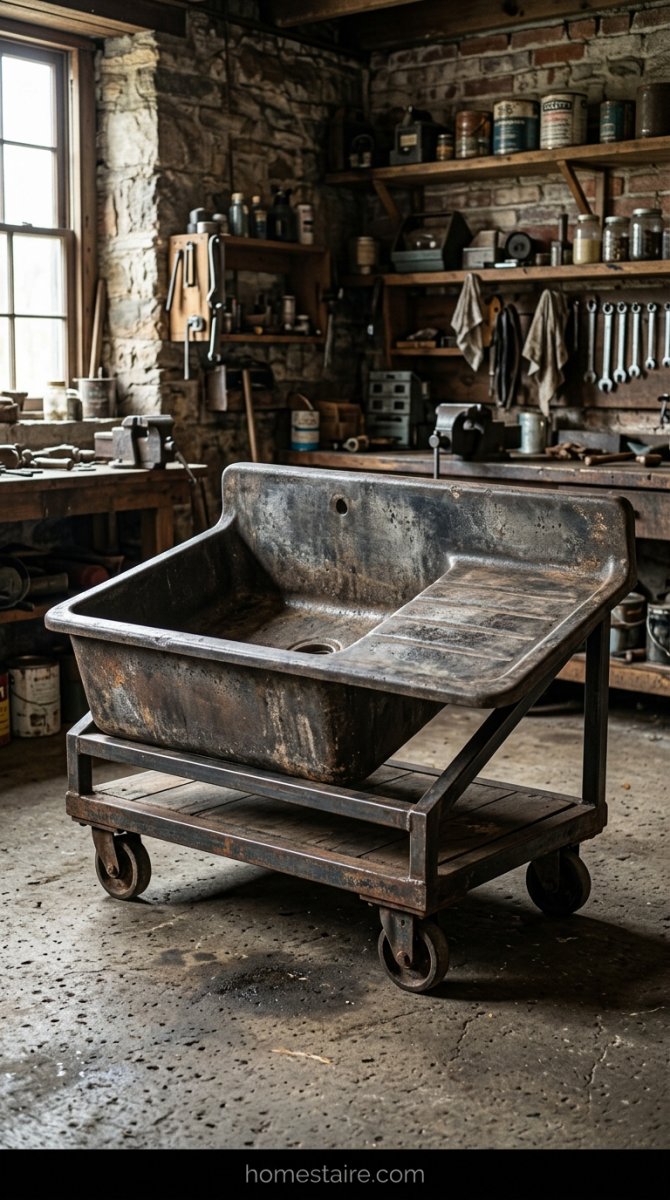
I almost broke my toe because some guy named Dale lied about how much a sink weighed. Facebook Marketplace is a goldmine, but people are terrible at estimating weight. They’ll tell you “it’s not that bad” and then you get there and it’s basically an anchor for a battleship.
Check your floor joists before you commit.
If you’re putting a vintage cast iron tub or sink in a second-floor laundry room, you might end up with a sink in your kitchen downstairs. I had to sister-up the floor beams in my house just to feel safe about washing my socks. Don’t be like me and forget to bring a friend (and a heavy-duty dolly) when you go to pick up your find.
Beadboard is the secret weapon for walls that actually have soul
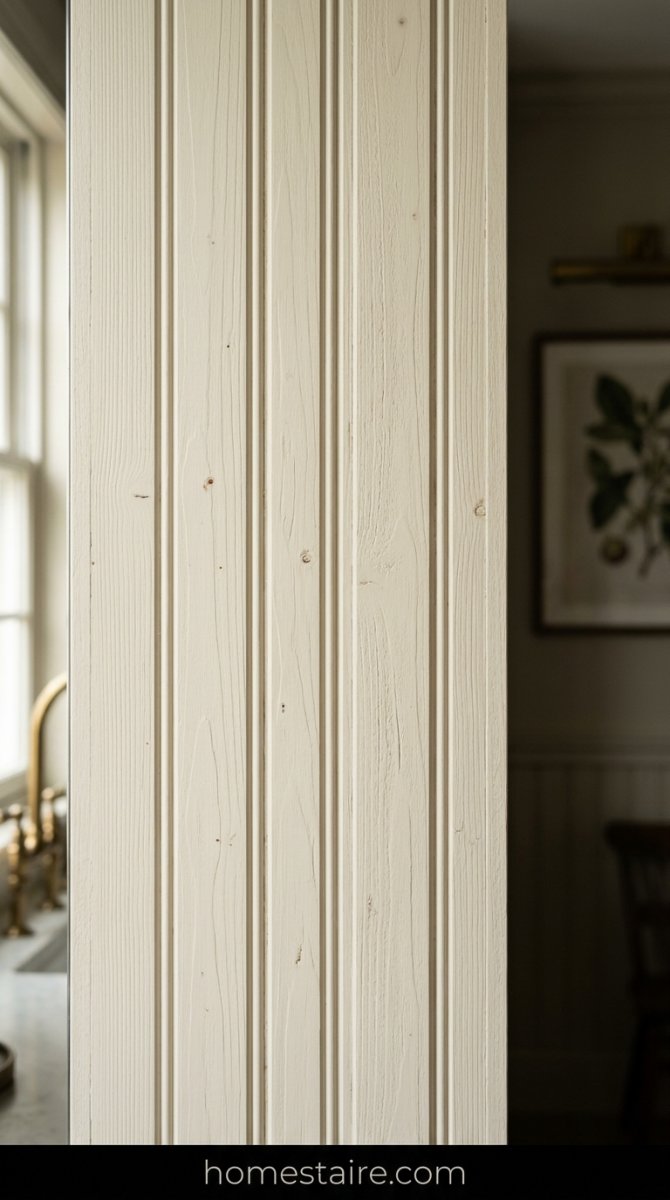
Shiplap is dead—or it should be. It looks too much like a cheap DIY kit from a big box store and it makes me want to scream. I went with real wood beadboard (the skinny stuff) and it changed the entire vibe of the room. It hides the wonky lines in my 100-year-old walls perfectly.
Don’t buy the MDF sheets.
MDF swells up like a sponge if it gets wet. Since a laundry room is basically a splash zone, you need the real wood stuff. It has these tiny gaps and knots that make it look authentic. Plus, it smells like a workshop instead of a chemical factory.
Why I regret buying modern tile and what I’d pick instead
I bought those “distressed” tiles from a big home center because they were on sale. Huge mistake. They look like a computer printed a blurry picture of dirt onto a ceramic square. It’s tacky and it drives me crazy every time I look down.
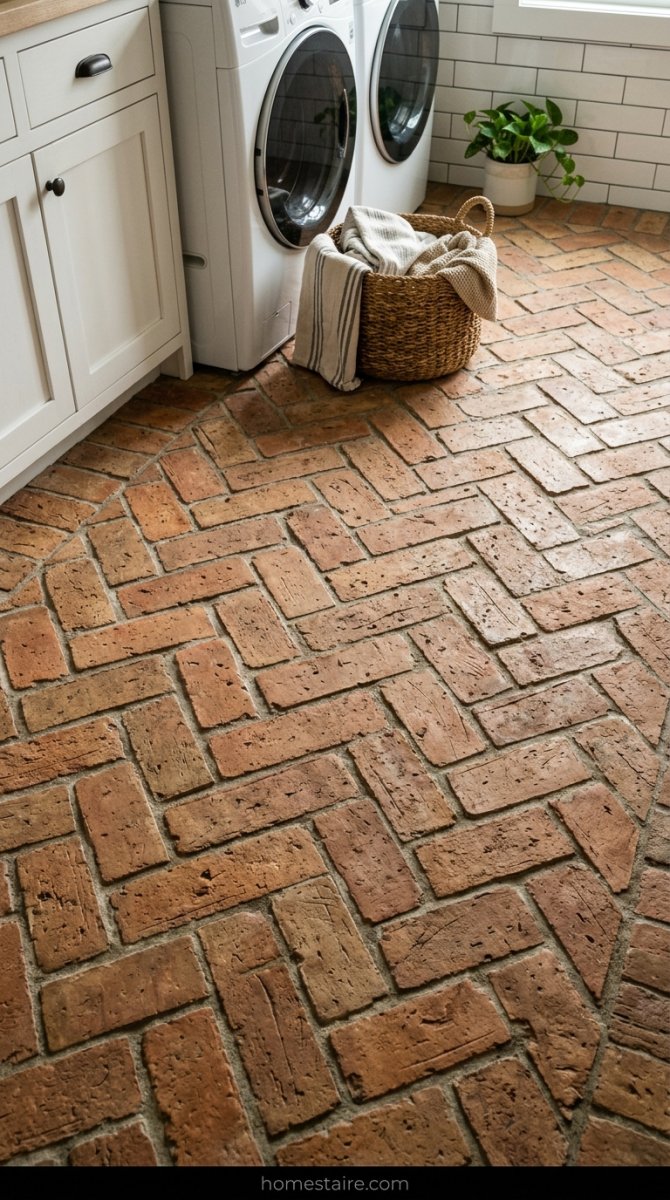
If I could do it over, I’d hunt for reclaimed brick.
Real stone or unglazed hex tiles have these weird little imperfections that make them look like they’ve been there forever. Modern “vintage-look” tile is usually too shiny. It feels like plastic under your boots. Go for something matte and slightly uneven—your feet (and your eyes) will thank you.
Plumbing nightmares and how to make old faucets work with new pipes
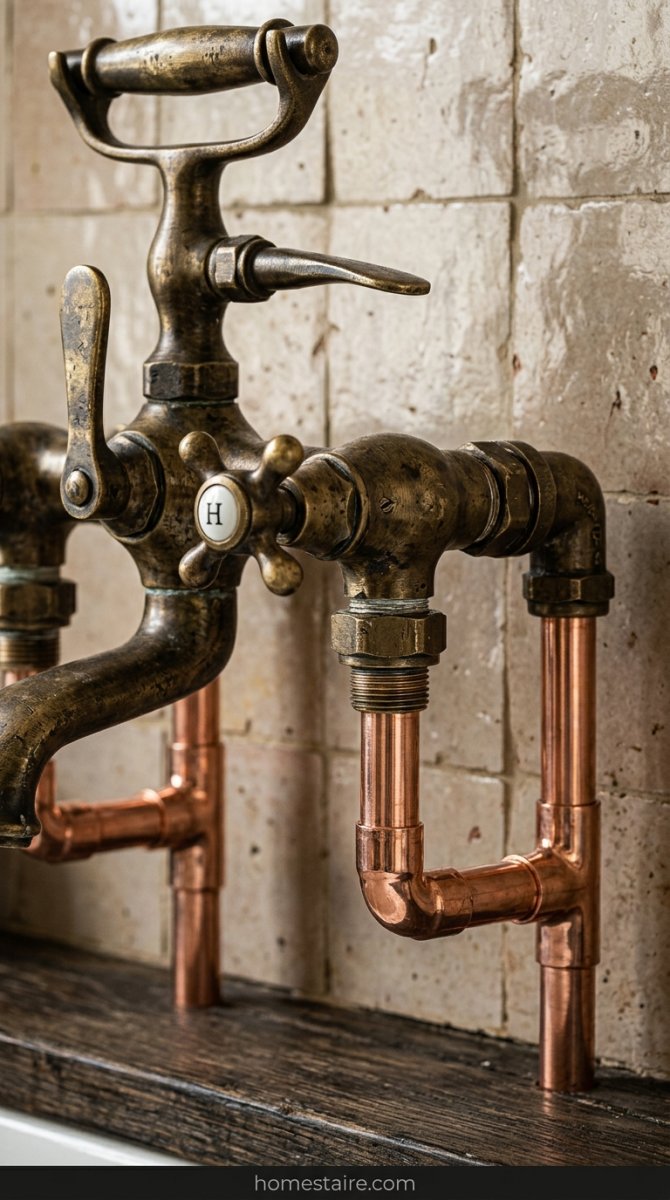
I almost threw my pipe wrench through the window. Old faucets are a total disaster when you first get them home. The threads on a 1930s Chicago Faucet are basically a different language compared to the plastic PEX stuff they sell at the hardware store today.
It sucked.
You’re going to need adapters. Not just one, but probably a whole bag of brass bushings to bridge the gap between “antique cool” and “modern plumbing that doesn’t leak.” I spent four hours crying on the floor because my cold water line kept spraying my shoes. Just go to a local plumbing supply house—not a big box store—and show them your weird vintage parts. They’ll usually find a way to make it work.
Lighting should look like a flea market find, not a big box store clearance
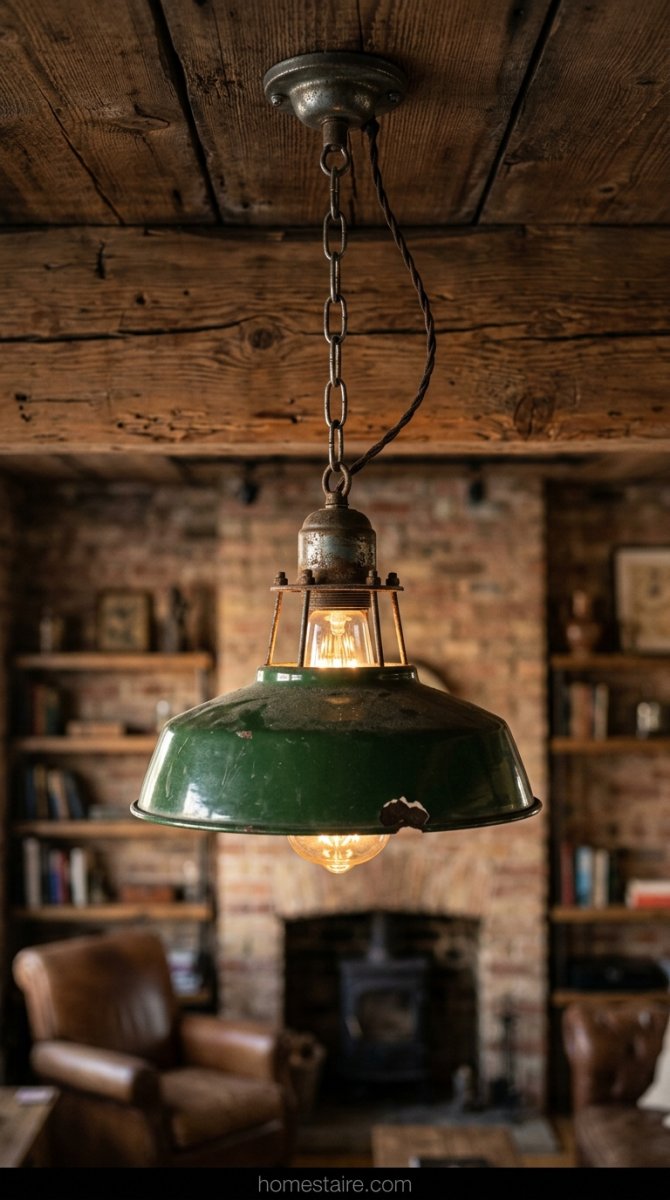
Stop buying those fake “distressed” lights at Target. They look like cheap spray-painted tin and everyone knows it. My laundry room light is this weird, heavy green enamel shade I found in a barn in Ohio. It has a literal chip on the rim.
I love that chip.
It gives the ceiling some actual grit. If your light looks too perfect, your “vintage” room is going to feel like a movie set. Scour eBay for “industrial pendant” or “milk glass schoolhouse” fixtures. Even if the wiring is shot, you can buy a $10 kit and fix it yourself in twenty minutes.
Open shelving is great until you realize everything gets covered in lint
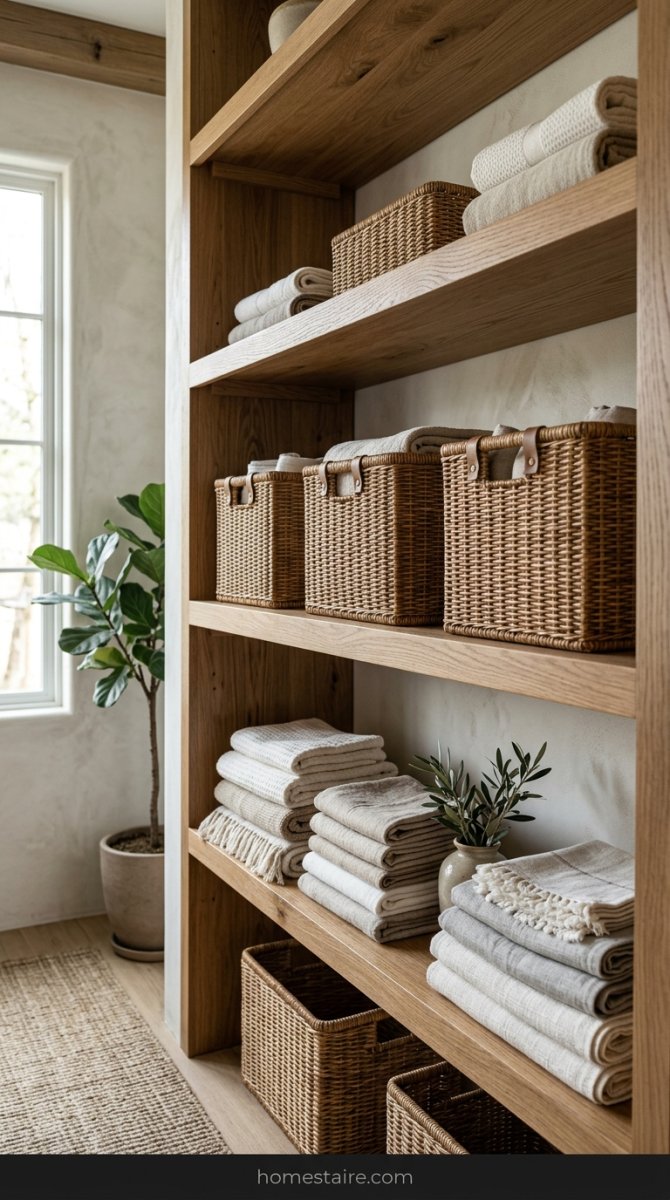
I’m going to be brutally honest with you. My open shelves are a giant lint magnet. Every single time I run the dryer, a fine layer of gray fuzz settles on my pretty glass jars and folded linens. It’s annoying as hell.
Use baskets. Big ones.
If you don’t hide your clean stuff inside something with a lid or a tight weave, you’ll spend your entire life dusting your laundry room. Which is a stupid way to spend a Saturday. I keep my “display” stuff on the top shelf and the things I actually use inside wicker bins where the lint can’t reach them.
Build a drying rack that won’t rip your drywall out
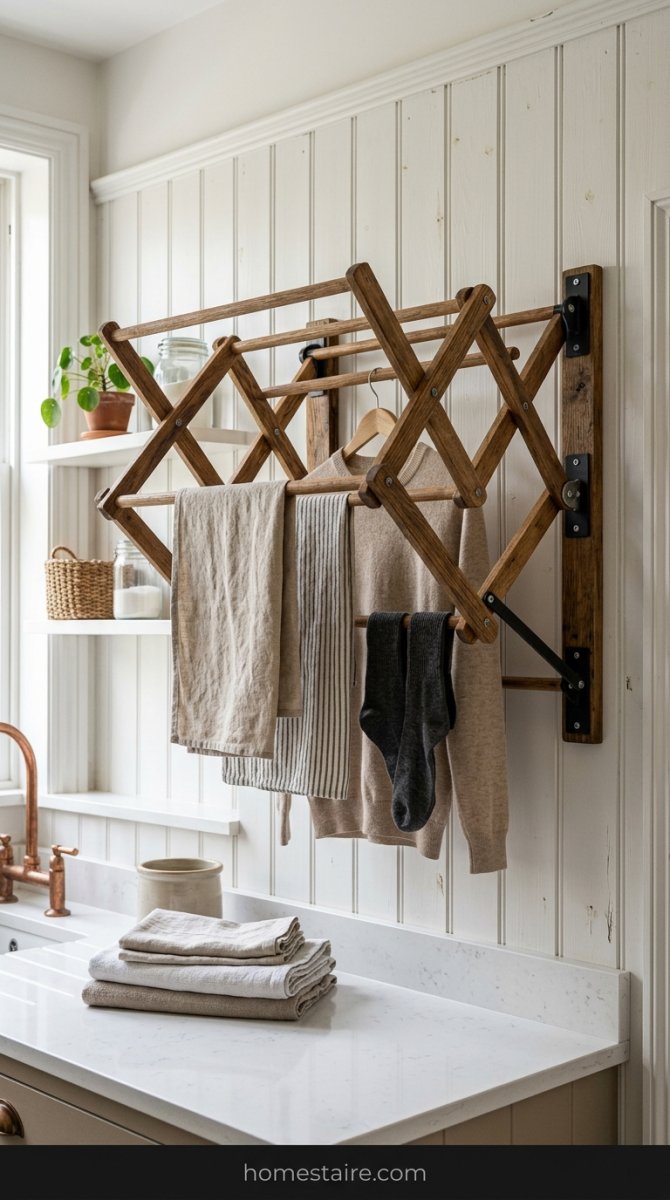
Wet jeans weigh a ton. I once saw a guy try to hang a heavy wooden rack using those cheap plastic wall anchors. The whole thing came crashing down in the middle of the night and sounded like a gunshot.
Find the studs. No excuses.
I used three-inch screws and a piece of reclaimed oak for my rack. If you miss the stud, don’t just “try again” an inch over—you’re just turning your wall into Swiss cheese. My rack is basically a repurposed ladder and it hasn’t budged an inch, even when I load it up with heavy wet towels.
Use fabric skirts to hide the ugly modern washing machine
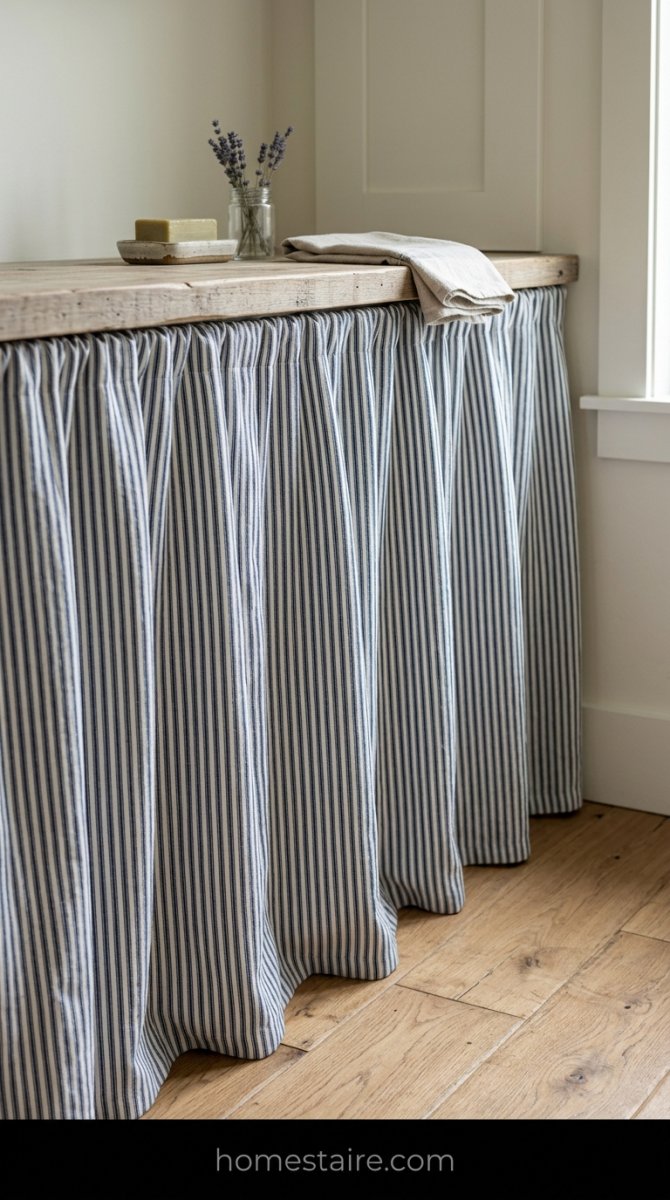
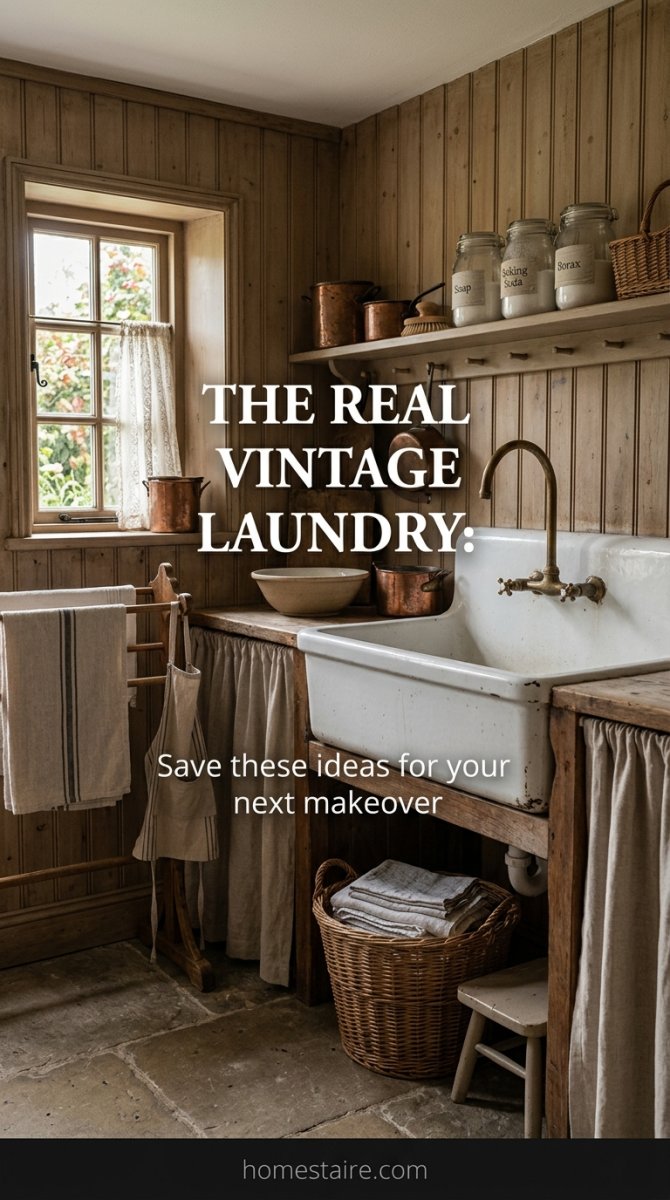
Let’s face it: modern front-loaders look like spaceships. They’re giant plastic eyesores that ruin a 1940s vibe faster than anything else. I didn’t want to see a digital display while I was trying to enjoy my antique tub.
I grabbed some heavy ticking stripe fabric and a simple tension rod.
It hides the detergent bottles and the ugly hoses too. Just make sure the fabric is something you can toss in the wash, because I’m clumsy and I definitely spill bleach on mine once a month. It’s a $20 fix that makes the whole room feel soft instead of clinical.
The “smell of old”: Why I only use glass jars for my laundry soap
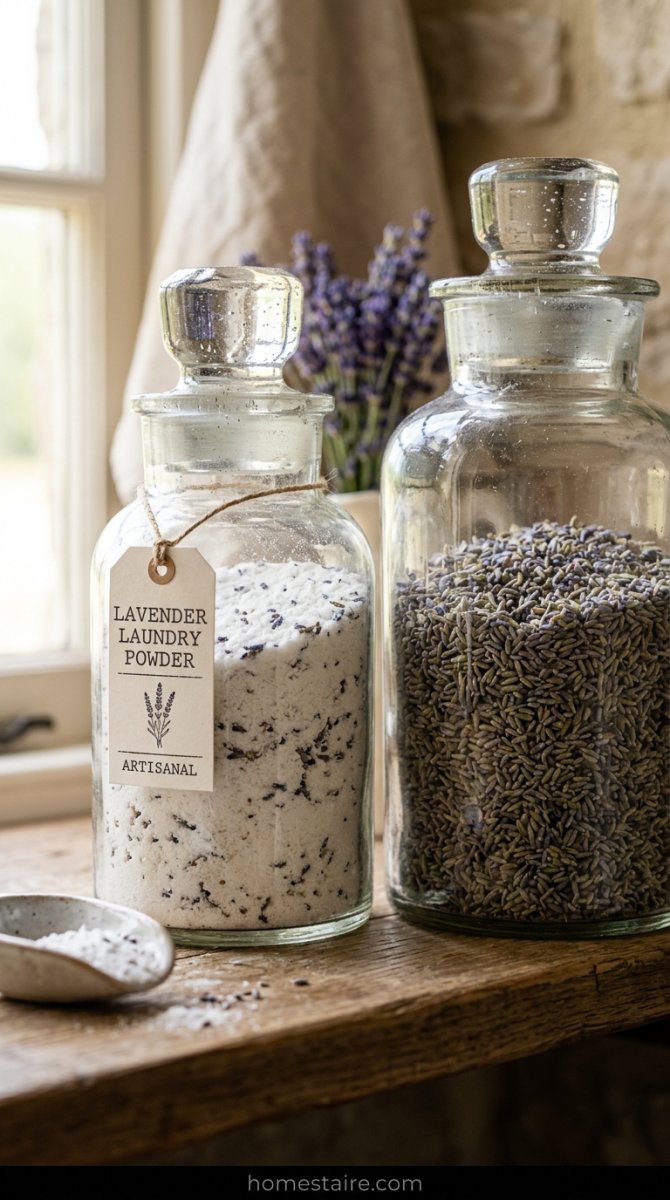
Plastic tubs for laundry pods are just gross. They make my laundry room—the one I spent six months trying to make look like a 1920s cottage—look like a cheap aisle at a big-box store.
I won’t do it.
I found these huge, heavy glass jars at a dusty estate sale last summer for five bucks. They have those thick lids that make a satisfying clink every time you open them. I fill them with white powder and dried lavender buds. It sounds a bit much, I know, but seeing clear glass instead of bright orange plastic changes the whole mood. Honestly, I’m convinced the soap smells better when it isn’t sitting in a chemical-smelling bucket.
Conclusion
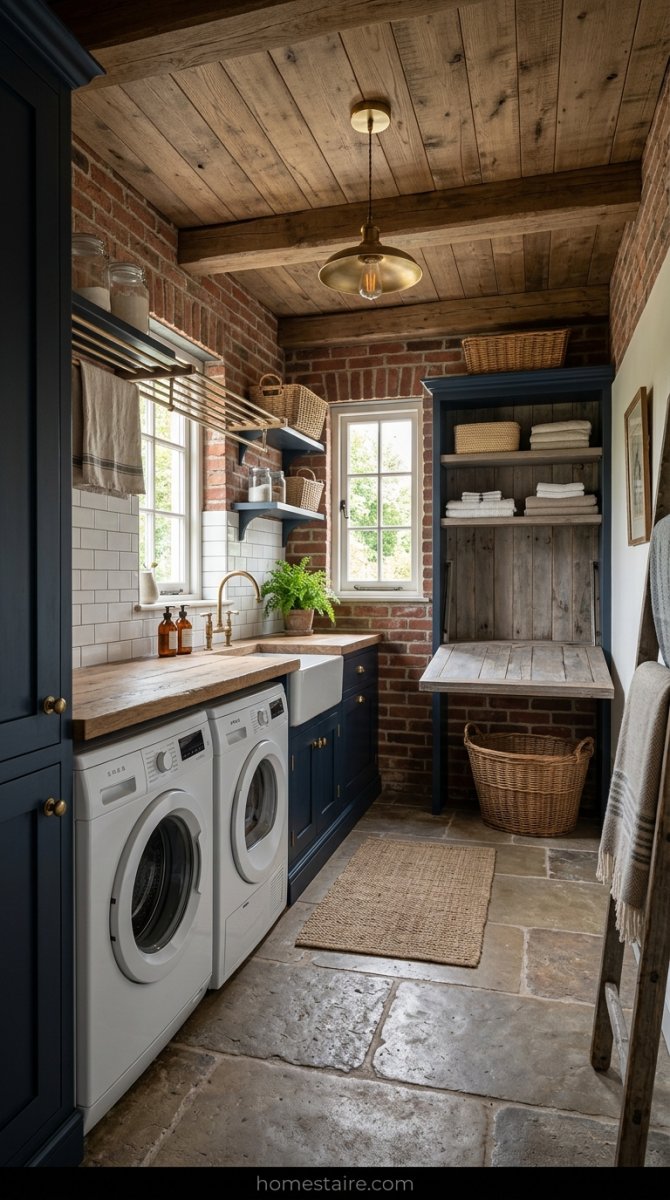
Look, you’re probably going to spend way too much money on a sink that weighs 300 pounds. It’s going to be a total pain to install and your contractor (or your spouse) will likely have a meltdown.
You’ll swear at the plumbing three times before lunch—I did—but when you’re standing there soaking a vintage tablecloth in a tub that has actual history, it finally feels worth the sweat.
Just start with the jars first. Seriously. It’s the cheapest way to feel like you’ve actually done something before you start the messy work of tearing out the walls.