
The coffee table anchors a living room, but it also has to hold drinks, remotes, and books, and fit the space. The wrong table feels cramped or flimsy, while the right one adds style and function.
This guide covers 15 things to consider when choosing a coffee table, with a comparison table and FAQ. It’s based on furniture and design guidance rather than personal purchases, so check dimensions, materials, and construction before buying.
1. Look at the material and construction

Particle board can swell with moisture and break at the joints. Solid wood, plywood, metal, and stone last longer.
Check how the legs attach and how heavy the table is.
2. Check proportions
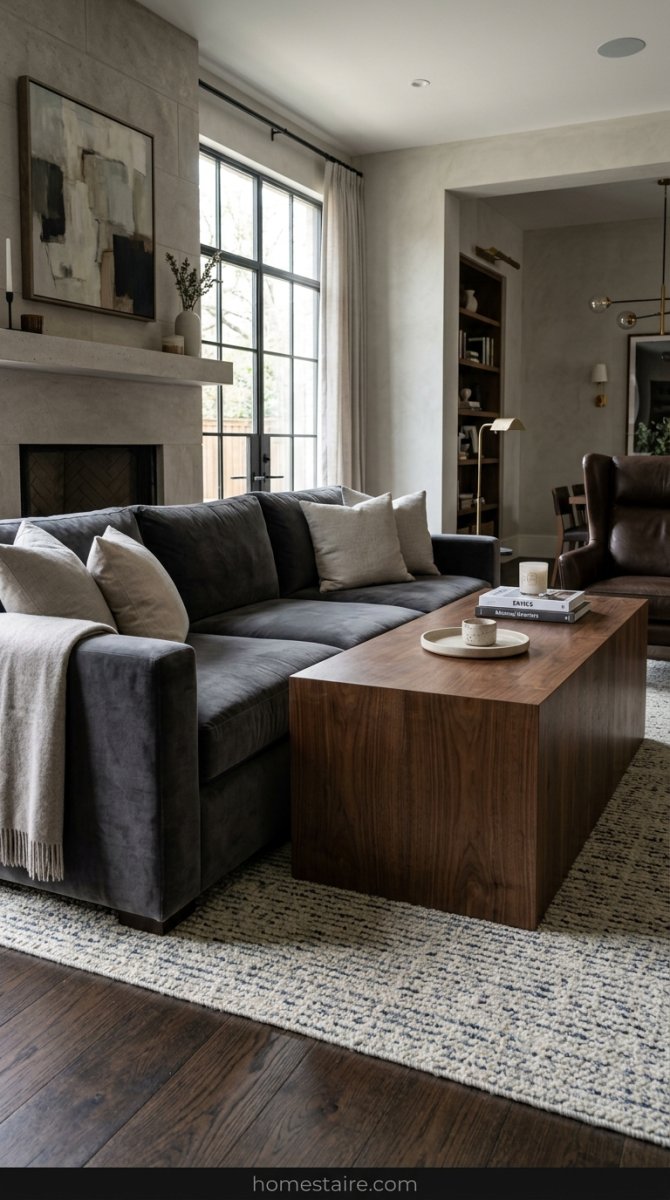
A coffee table is usually about two thirds the length of the sofa and slightly lower than the seat height. About 14 to 18 inches between the table and the sofa is a common guideline.
Measure before buying.
3. Glass tables for small spaces
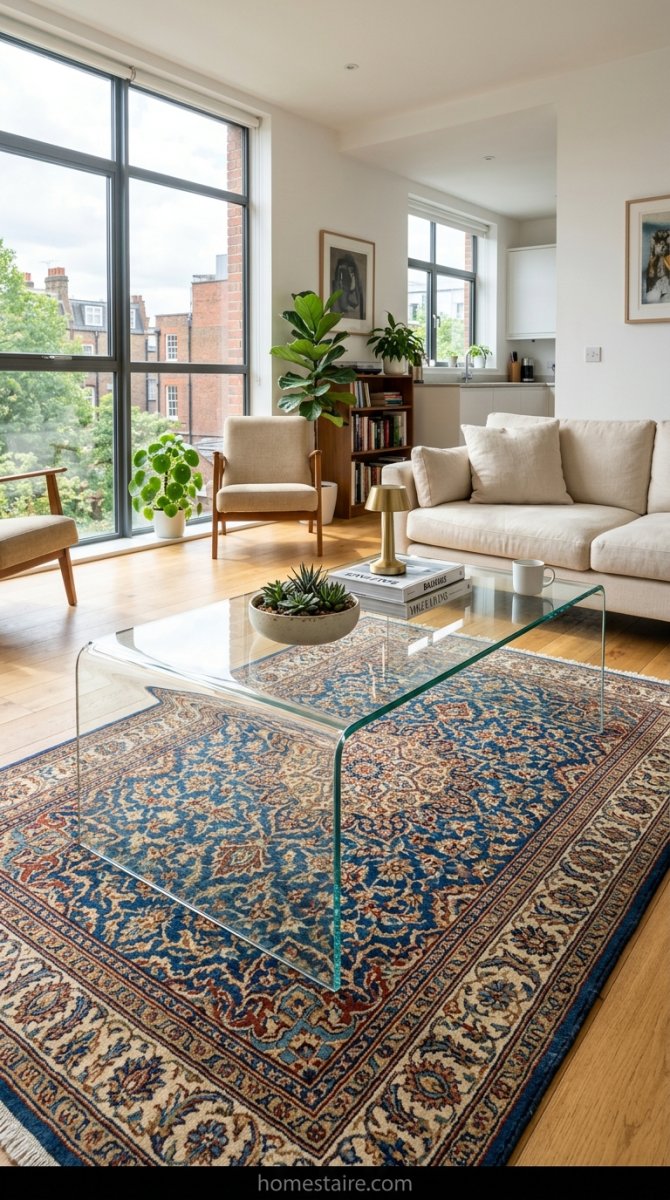
Glass tables let you see the floor, so the room feels bigger.
Use tempered glass and expect fingerprints.
4. Be careful with flat-pack tables
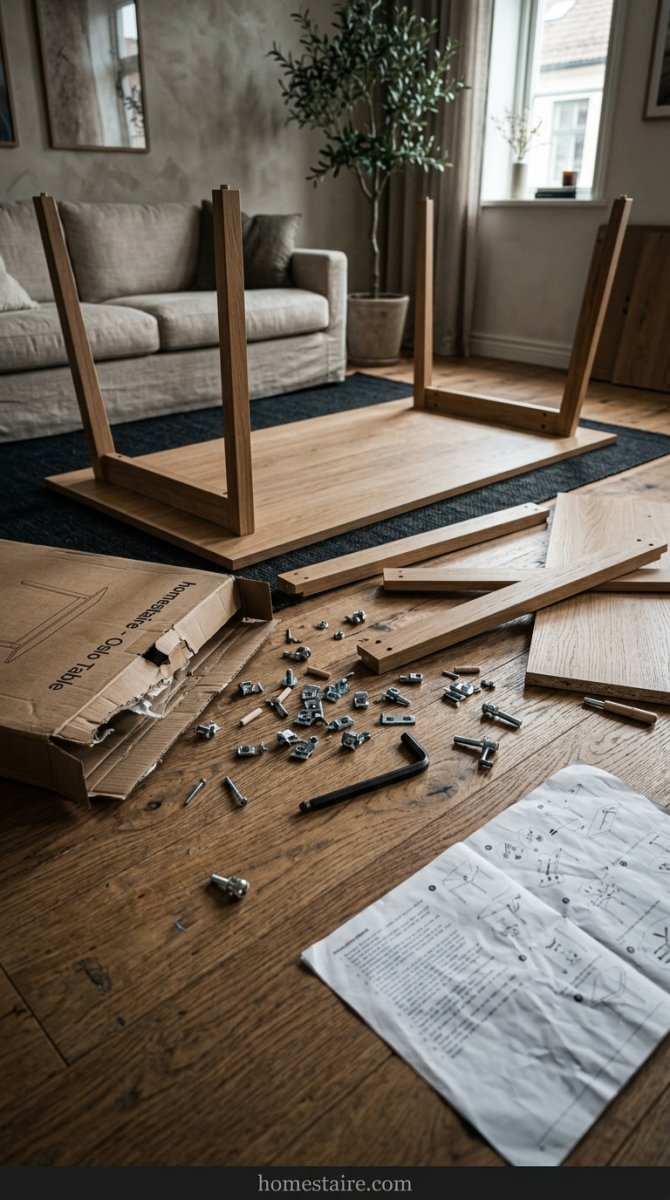
Flat-pack tables can be fine, but price doesn’t guarantee quality. Read reviews on stability and finish.
Check the return policy.
5. Travertine and stone tables

Travertine has a warm, natural look. Stone is heavy and porous, so seal it and use coasters.
Check the floor and the weight.
6. Nested tables
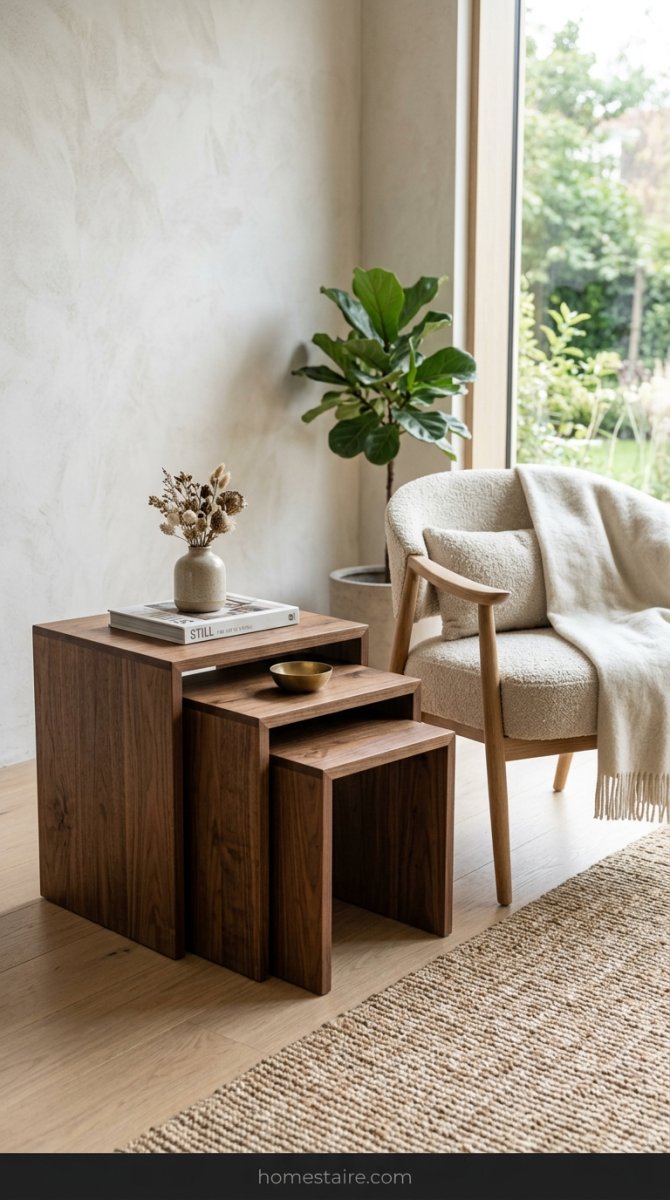
Nested tables slide together to save space and spread out for guests.
Choose a stable set.
7. Think about corners
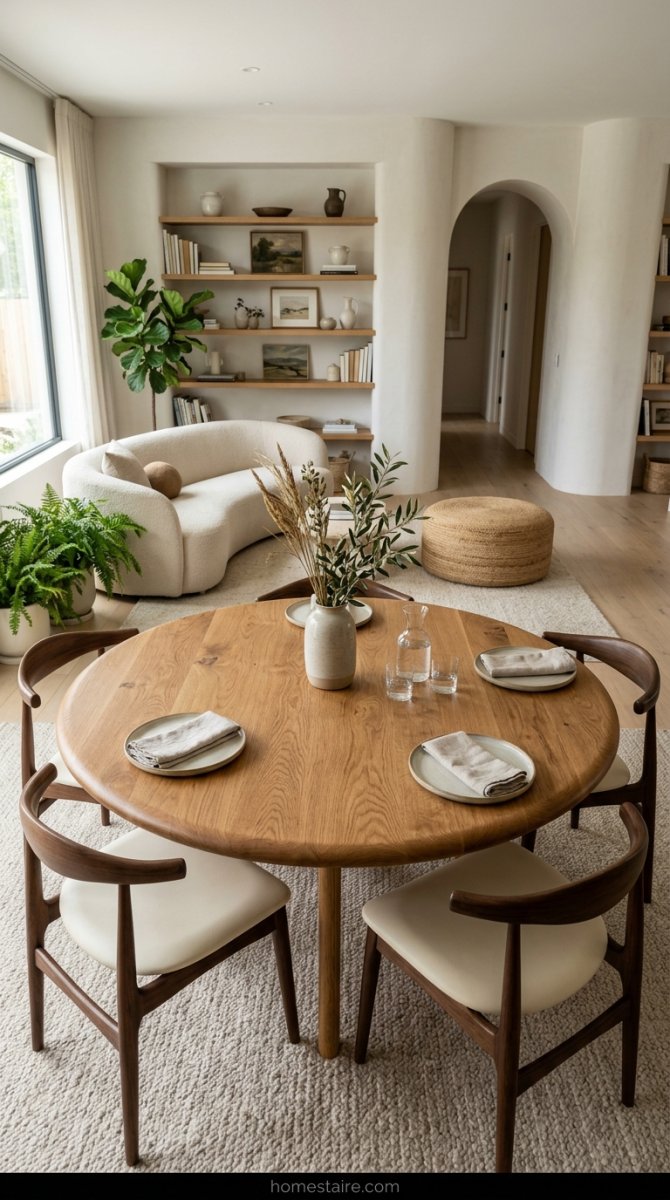
Sharp corners can hurt, especially around children. Rounded edges are safer and easier to walk around.
Corner guards are an option.
8. Solid walnut
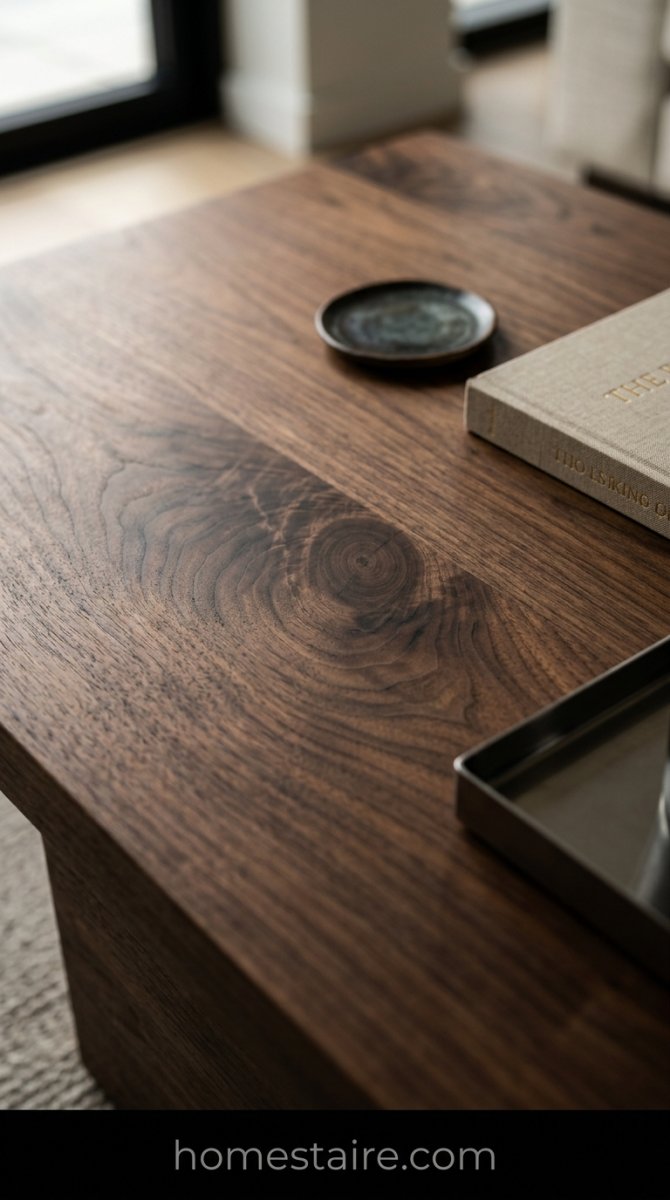
Walnut is durable and has a rich grain, though it costs more.
A good finish protects against rings.
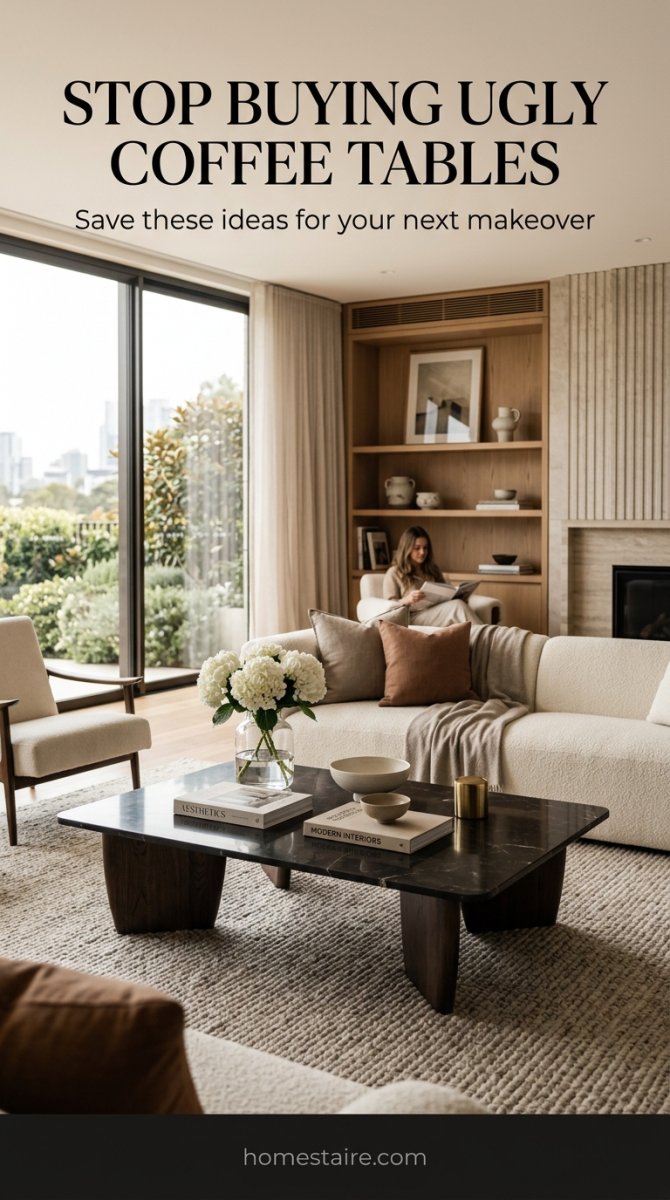
9. Black marble
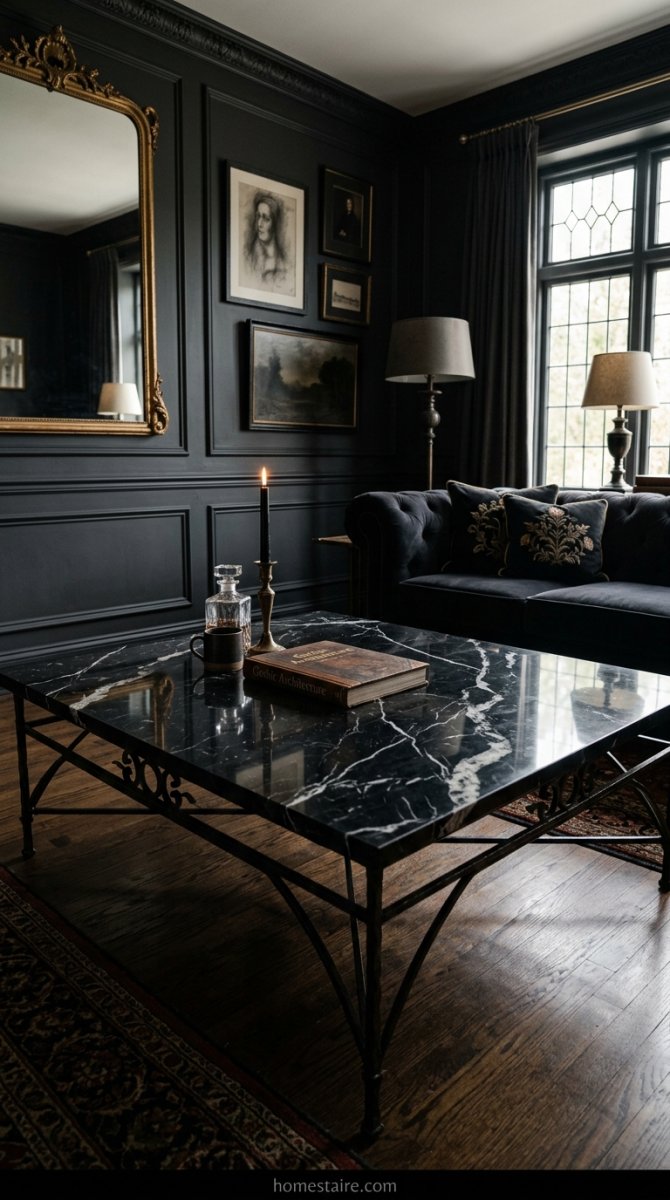
Black marble gives a dramatic look. It’s heavy and can etch or stain.
Use sealed stone and coasters.
10. Be selective with trends
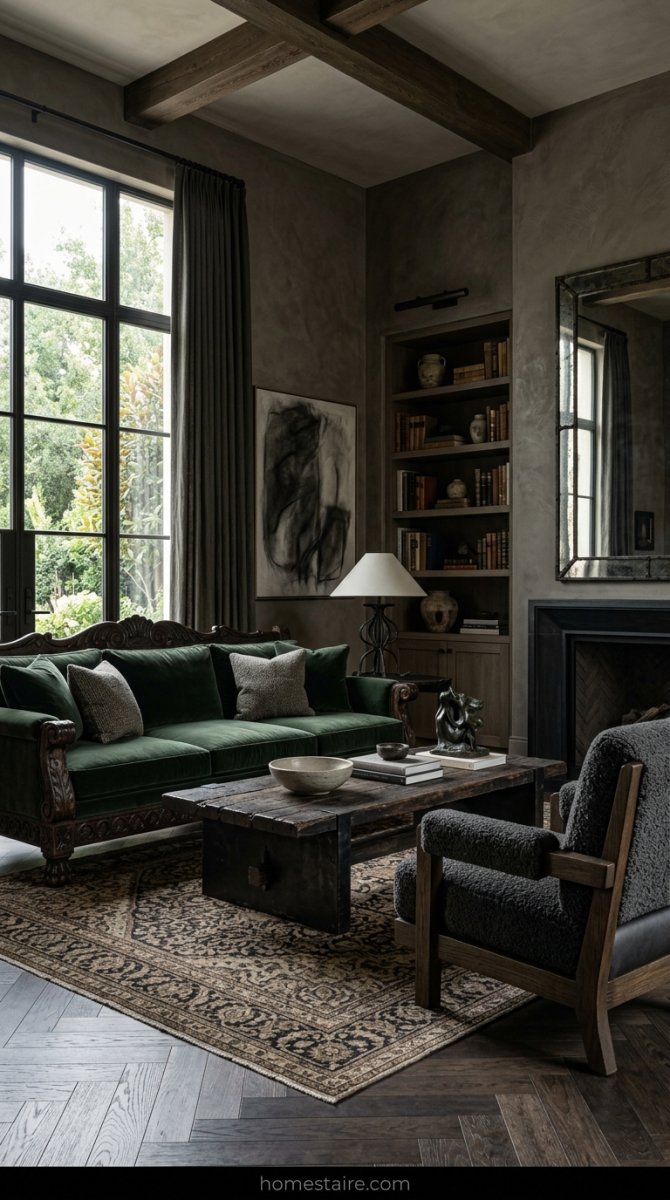
Trendy styles can date quickly. Choose a table that fits your room and your taste.
A simple shape lasts longer.
11. Hidden storage

A drawer or shelf hides remotes, coasters, and clutter.
Check that drawers slide smoothly.
12. Round tables

Round tables improve traffic flow and suit small rooms.
Choose a diameter that leaves walking space.
13. Vintage brass details
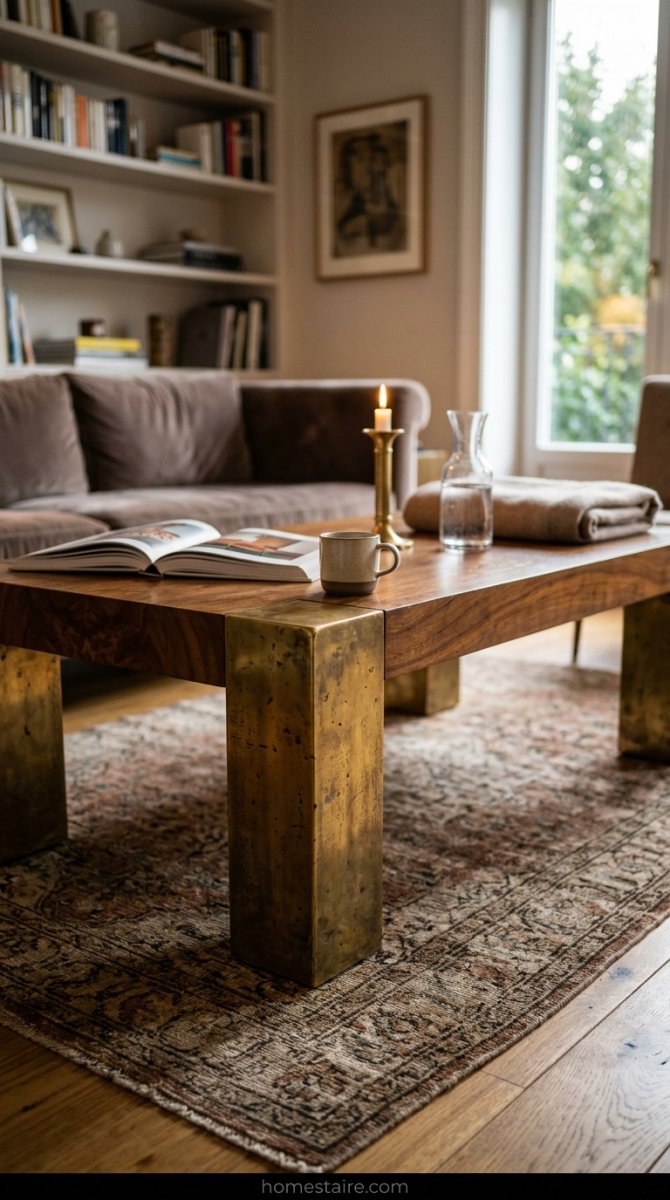
Brass legs add warmth and a classic look.
Check vintage pieces for stability and plating wear.
14. Concrete tables
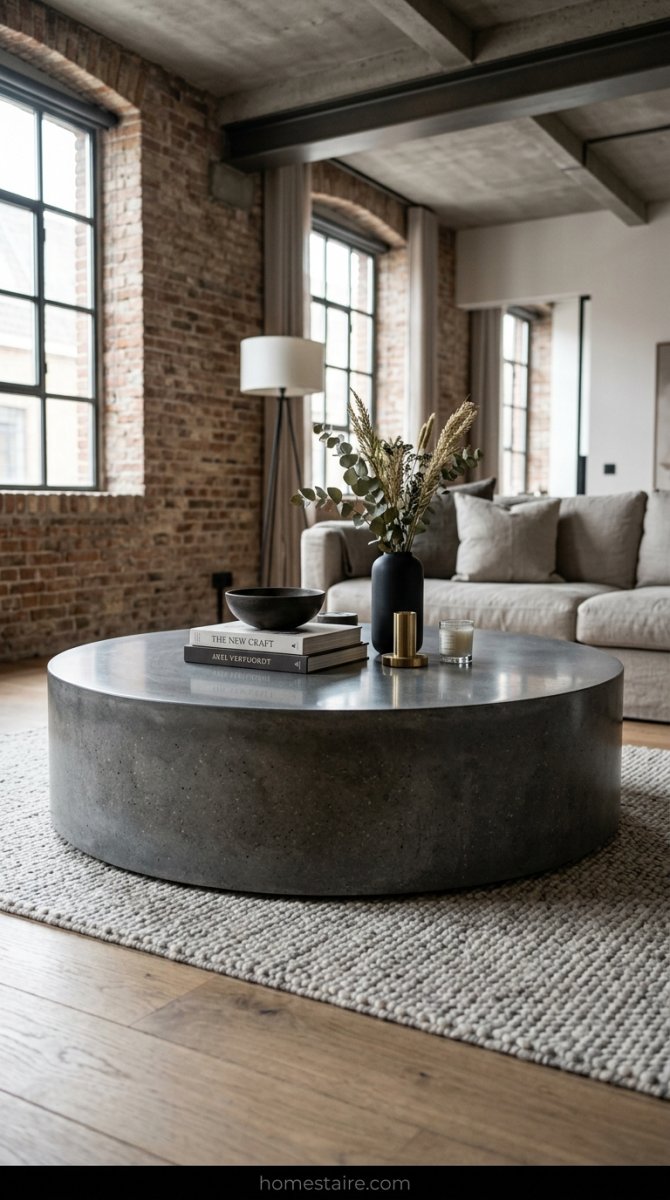
Concrete is durable but heavy and can stain if not sealed.
Choose a refined finish and felt pads under the base.
15. Pick a table that lasts
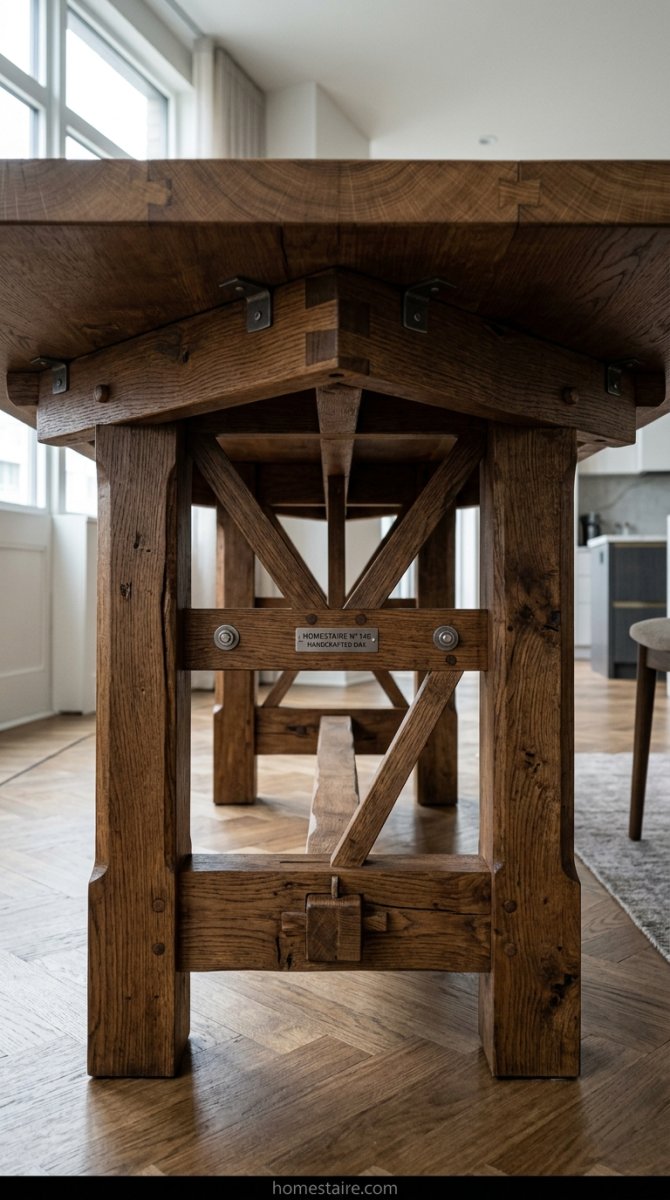
Check the joinery, weight, finish, and warranty. A table that doesn’t wobble and has solid materials will last.
Read reviews on durability.
Materials compared
| Material | Look | Care | Notes |
|---|---|---|---|
| Solid wood | Warm | Oil occasionally | Durable |
| Glass | Airy | Wipe fingerprints | Use tempered |
| Marble or stone | Luxurious | Seal and use coasters | Heavy |
| Concrete | Industrial | Seal | Very heavy |
| Metal | Modern | Low | Check finish |
Coffee table FAQ
How big should a coffee table be? Roughly two thirds the length of the sofa, with 14 to 18 inches of space between the table and sofa.
What shape is best for a small room? Round or oval, which are easier to walk around.
Is a coffee table necessary? No. Ottomans and nesting tables are alternatives.
Conclusion
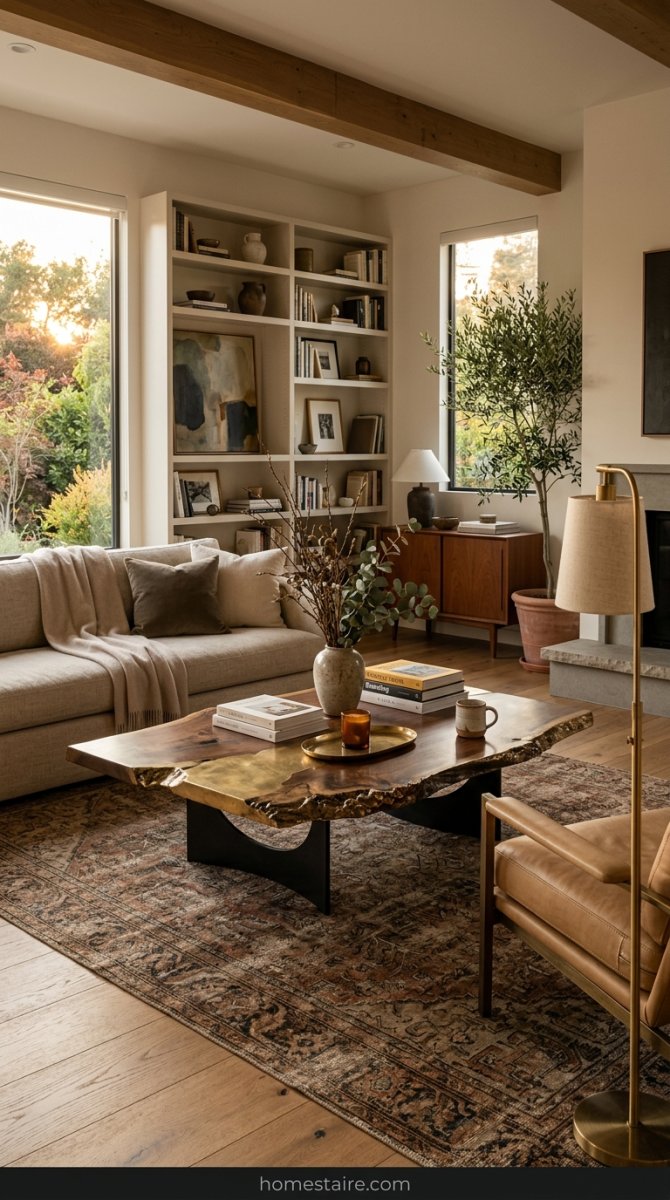
Choose a coffee table that fits your space, suits how you live, and is built to last. Measure first, check materials, and think about safety and storage.