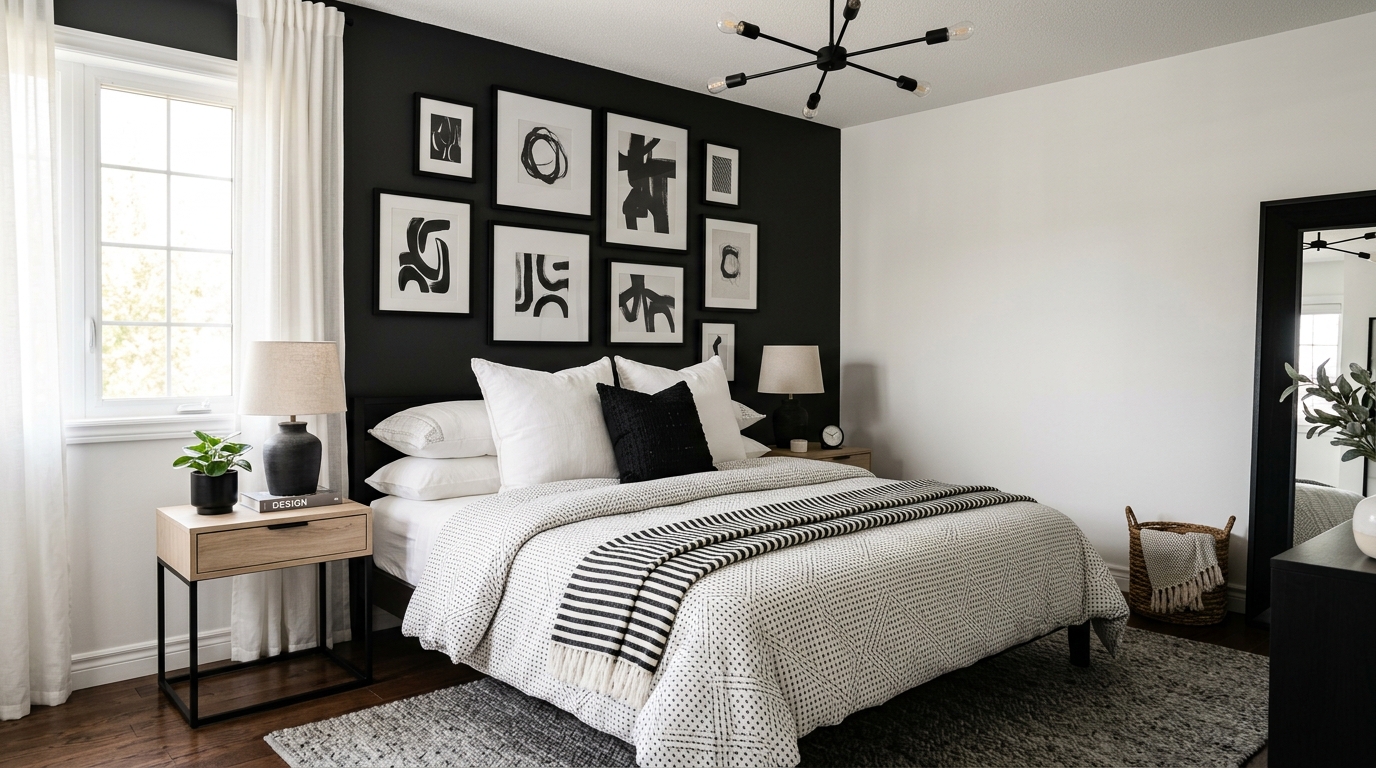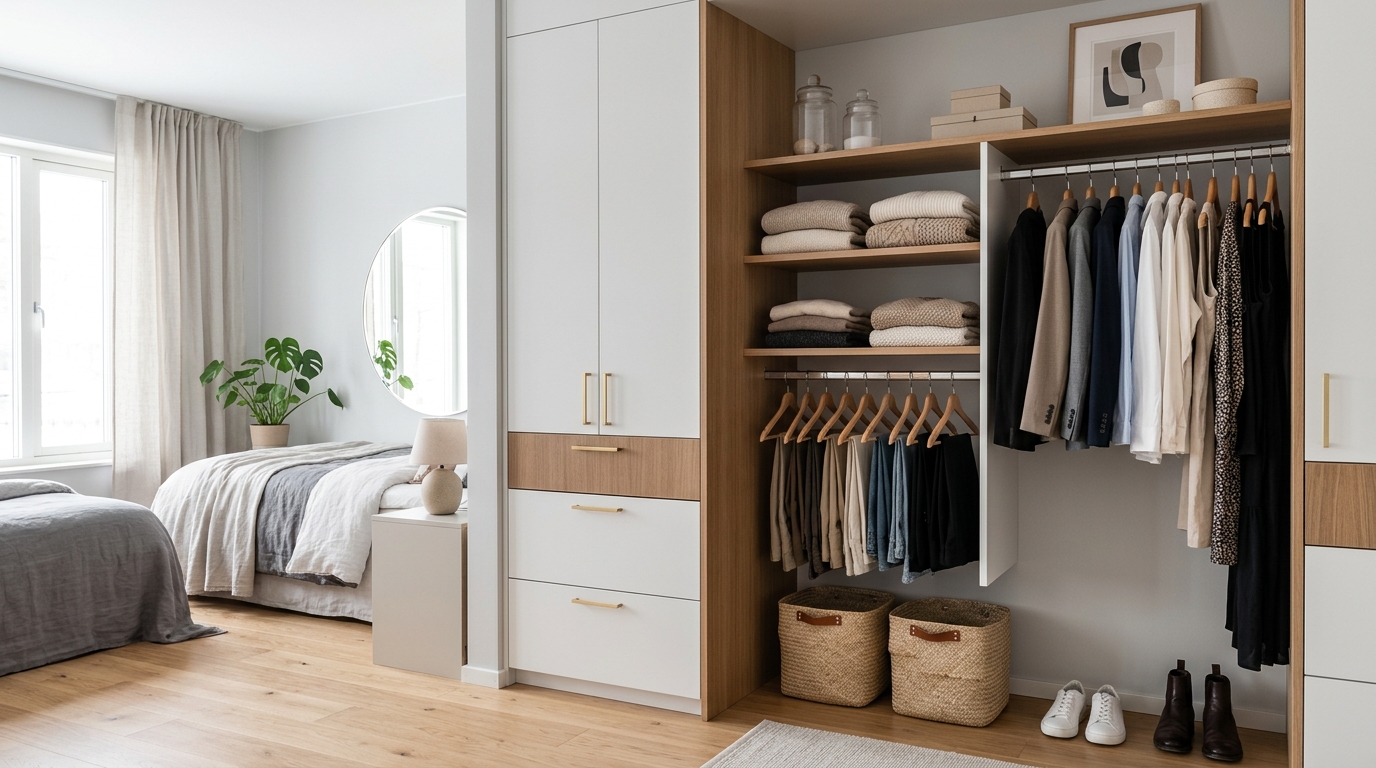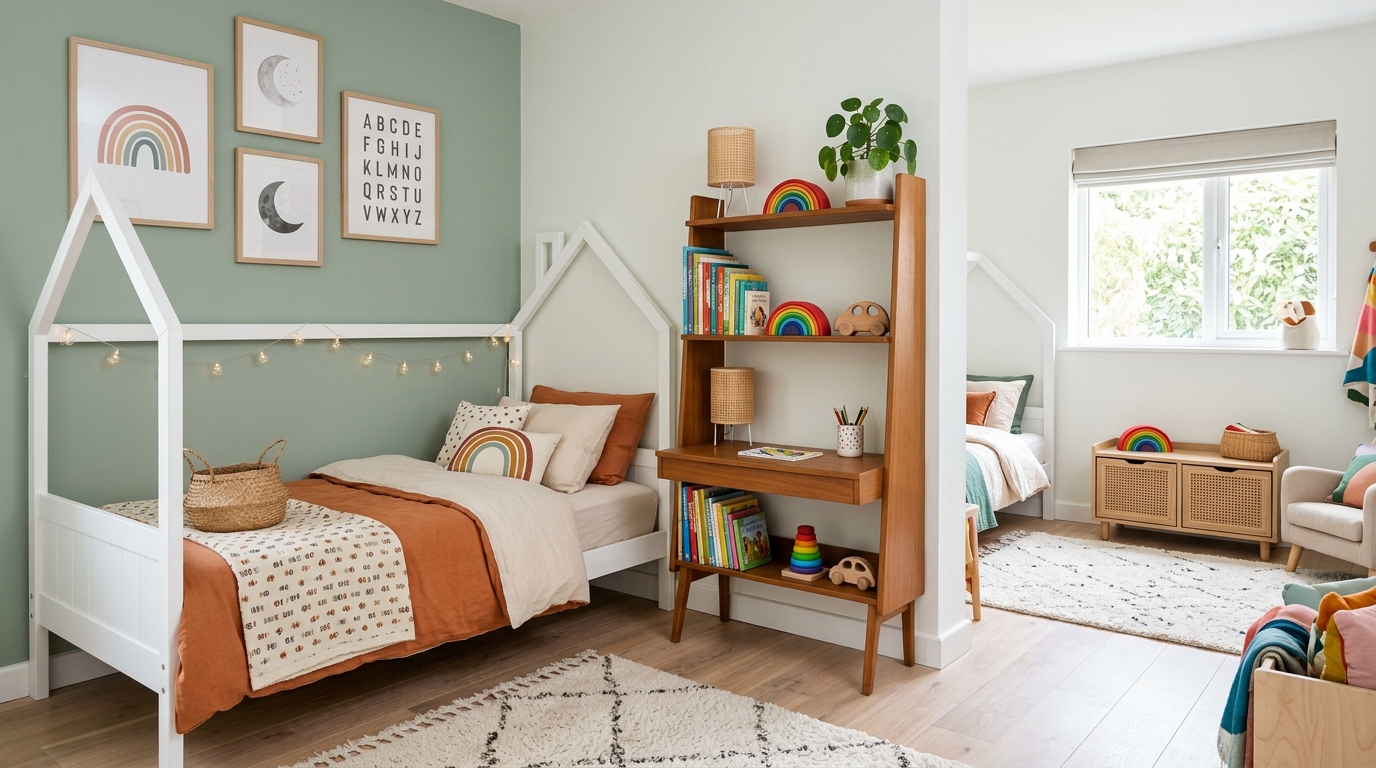
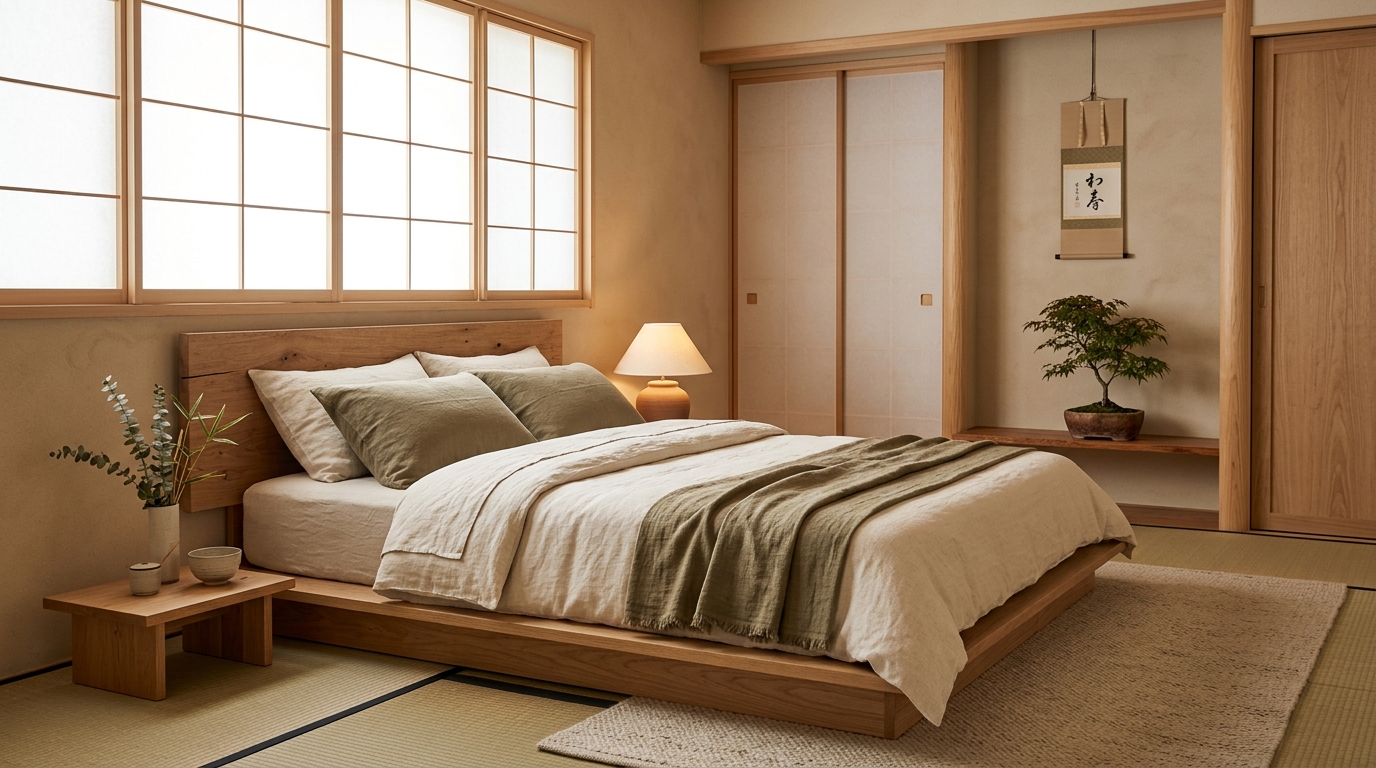

A Japanese-style bedroom is built on simplicity: low furniture, natural materials, soft light, and plenty of empty space. You don’t need a costly futon or a full renovation to get the feeling.
This guide covers 15 ideas inspired by traditional Japanese design, with a quick glossary and FAQ. It’s based on design guidance and product research rather than personal use, and it borrows elements of the style rather than claiming to replicate it exactly. Check bedding, floors, and mattresses for comfort before committing.
1. Lower the bed
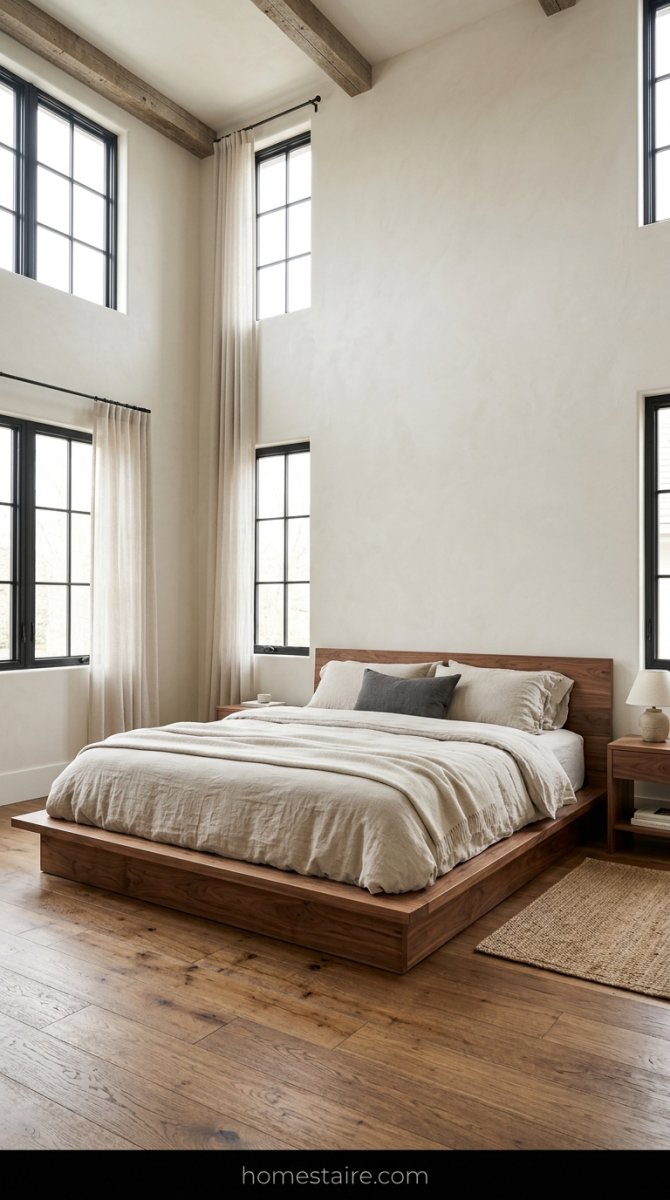
Japanese rooms keep sleeping close to the floor. A low platform bed or a mattress on a low frame mimics this and makes ceilings look higher.
Make sure getting in and out is comfortable, especially if you have knee or back issues.
2. Consider a shiki futon

A shiki futon is a thin, foldable cotton mattress used on the floor or on tatami. It’s firm and can be stored in a closet during the day.
It isn’t right for everyone, since firmness is personal. Try it for a few nights or choose a hybrid with a platform.
3. Use a jute rug for a tatami look
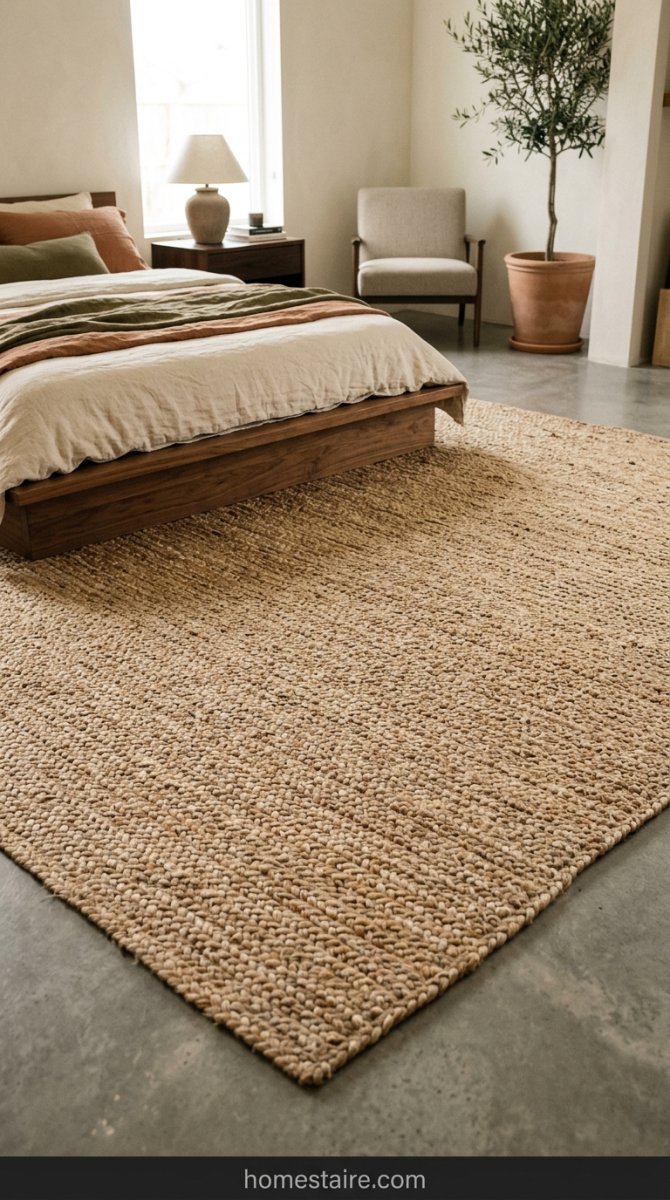
Tatami mats are woven rush grass flooring. A natural-fiber rug in jute or sisal gives a similar texture and tone.
Use a rug pad and choose a softer weave for bare feet.
4. Skip harsh overhead lights
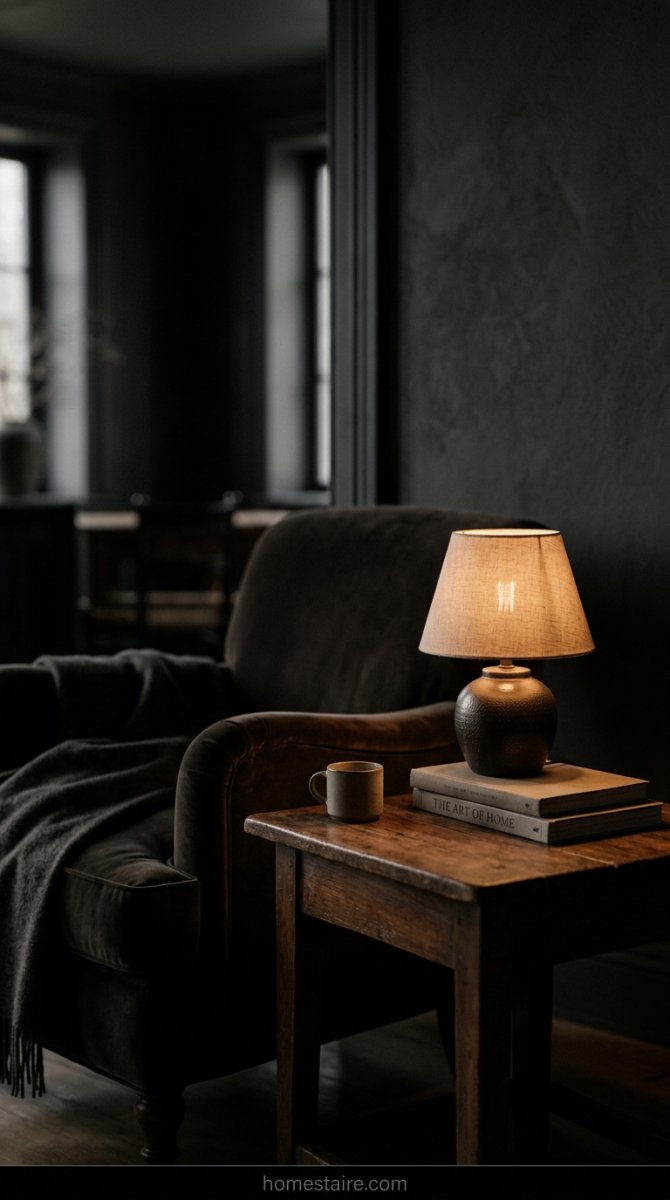
Use low lamps and warm, indirect lighting instead of a bright ceiling fixture. It makes the room feel restful.
Add a dimmer if you can.
5. Choose real wood
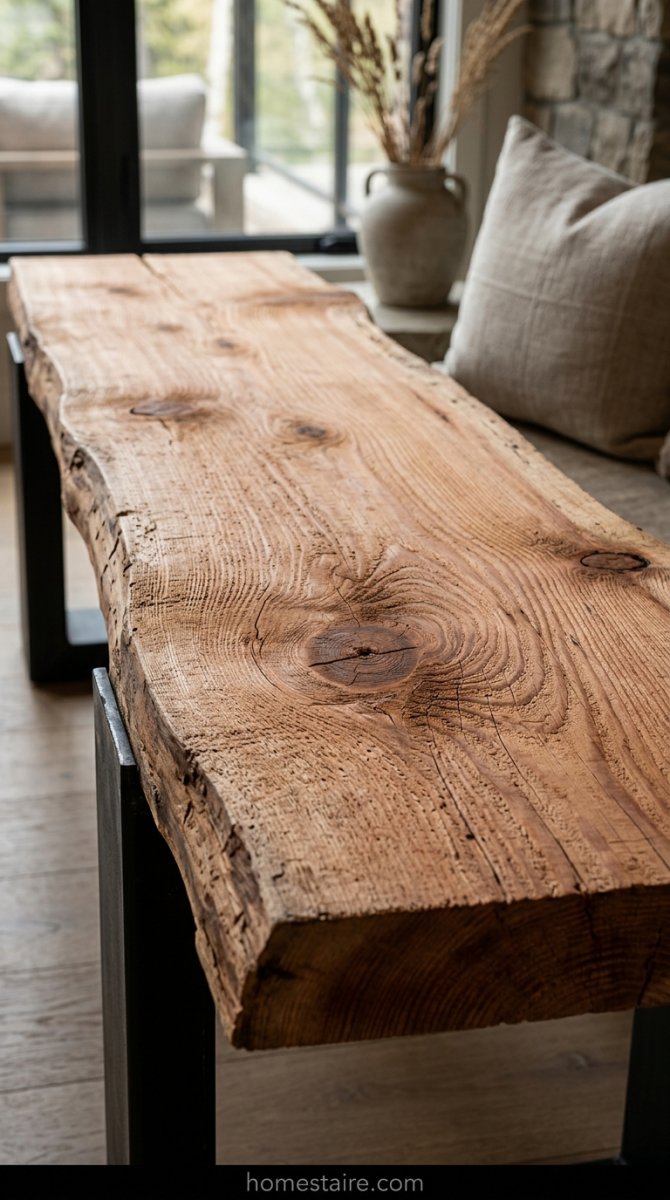
Natural wood in light tones, such as ash, pine, or cedar, brings warmth and calm. Avoid plastic and glossy surfaces.
Check finishes and choose low-VOC products.
6. Paint walls in earthy tones

Soft beige, clay, moss, and warm white are typical. The goal is a quiet backdrop, not contrast.
Use a matte finish to keep light soft.
7. Use paper-style screens
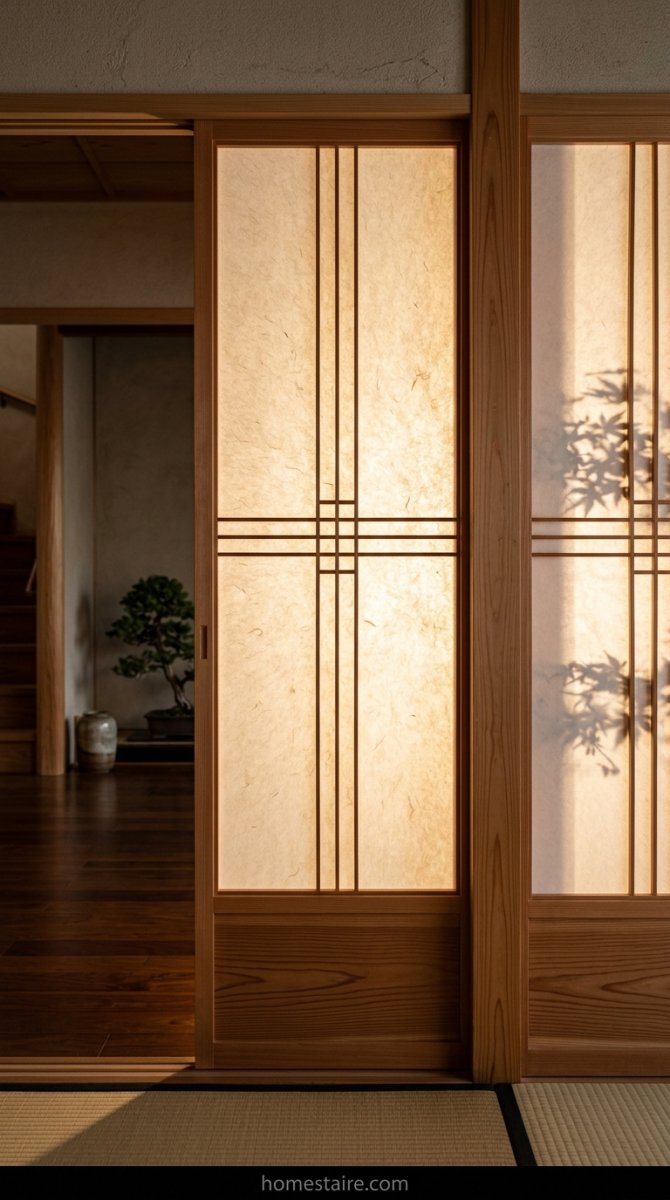
Shoji-style screens, with paper or translucent panels in a wooden frame, diffuse light and hide clutter. You can buy them or build a simple version.
Keep paper away from open flame and heaters.
8. Simplify the nightstand

Keep a lamp, a book, and perhaps a small dish. Put everything else in a drawer.
Less on the surface means less visual noise.
9. Keep one plant
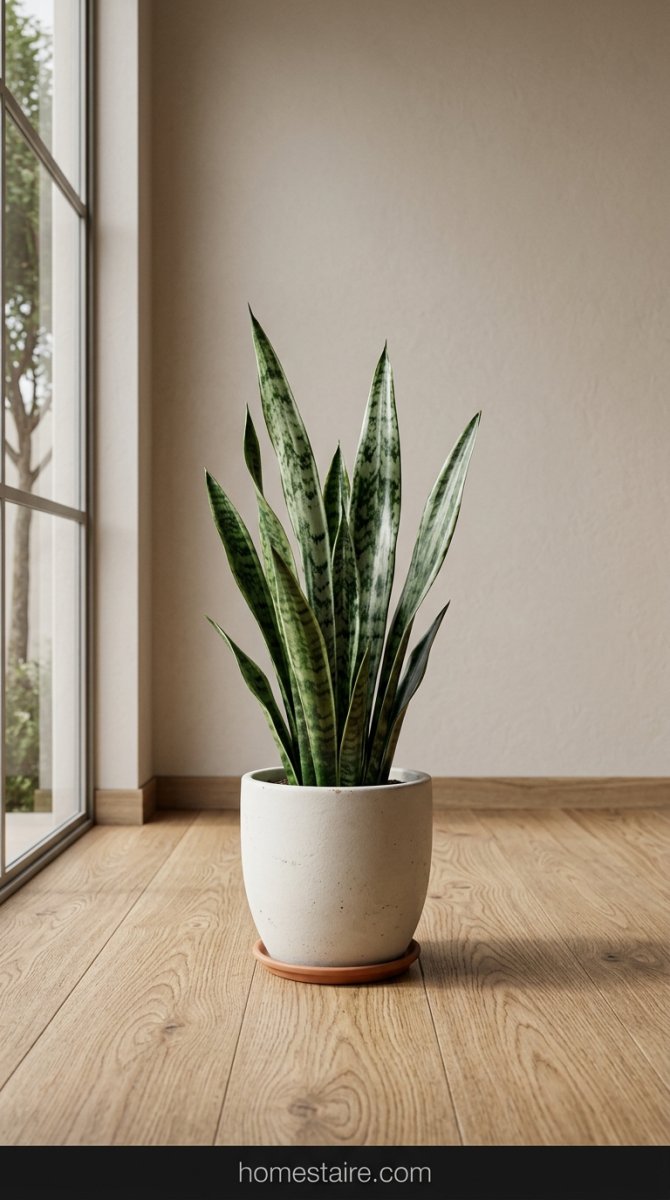
One carefully chosen plant, such as a bonsai or a small branch in a vase, is enough. A single plant feels intentional.
Choose one that suits your light and care level.
10. Hide storage in baskets
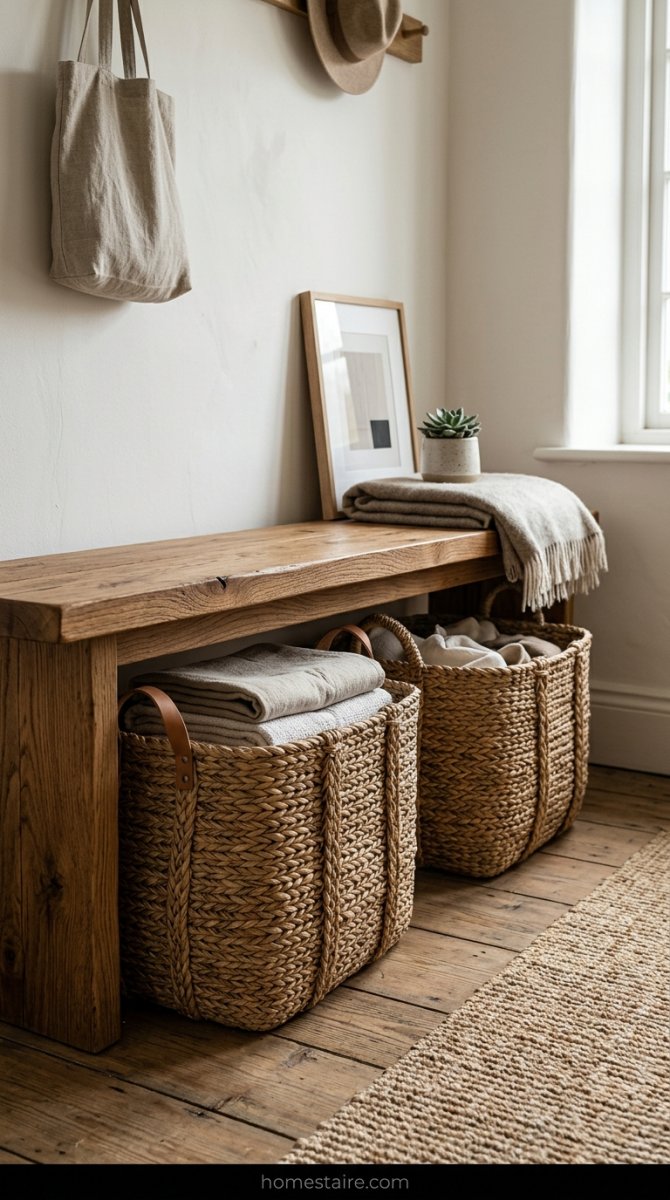
Woven baskets and lidded boxes hide small items and keep surfaces clear.
Choose natural materials in a consistent tone.
11. Add a paper lantern lamp

Paper lamps, often called washi or rice paper lamps, give a soft golden glow. Isamu Noguchi’s Akari lamps are a well-known design in this style.
Use LED bulbs, which stay cool and are safer around paper.
12. Use linen or cotton bedding

Natural, breathable fabrics suit the style, in muted colors such as white, oatmeal, or indigo.
Wash them before use for added softness.
13. Leave one wall blank

Empty space is a deliberate part of Japanese design. A blank wall gives the eye a place to rest.
Resist filling it for the sake of it.
14. Choose art that belongs
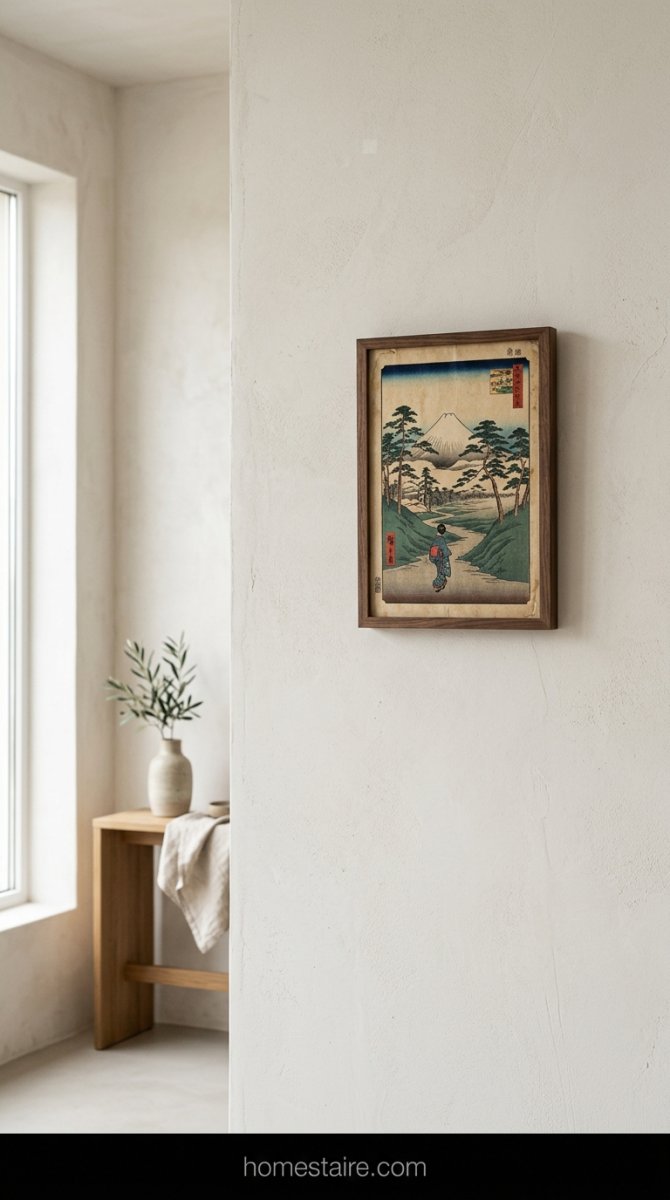
One piece, such as a calligraphy print, ink painting, or simple landscape, is enough. Pick something quiet that suits the tone of the room.
Hang it at eye level.
15. Embrace wabi-sabi

Wabi-sabi values imperfection and age. A worn wooden surface or a handmade ceramic cup with slight flaws fits the style.
It means you don’t need perfect or brand-new items.
Quick glossary
| Term | Meaning |
|---|---|
| Shiki futon | Thin floor mattress that can be folded away |
| Tatami | Woven rush-grass floor mats |
| Shoji | Sliding screens with translucent paper |
| Wabi-sabi | Appreciation of imperfection and age |
| Washi | Traditional handmade paper |
Japanese bedroom FAQ
Do I need to sleep on a futon? No. A low bed gives a similar look. Choose what’s comfortable for your body.
Is a Japanese-style bedroom good for small spaces? Yes, since it relies on fewer, multi-purpose pieces and open floor.
Can I mix it with other styles? Yes. Many people combine Japanese and Scandinavian ideas, often called Japandi.
Conclusion
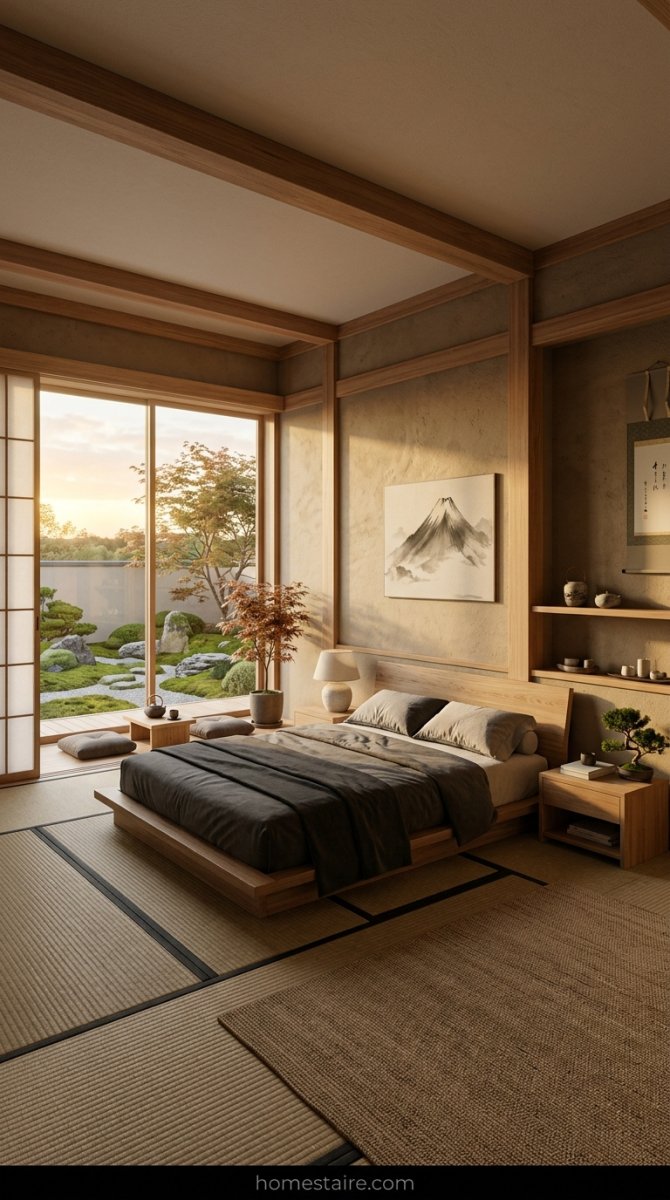
A Japanese-style bedroom is about restraint: natural materials, soft light, and open space. Start with a few changes, such as lowering the bed and simplifying surfaces, and add more over time.