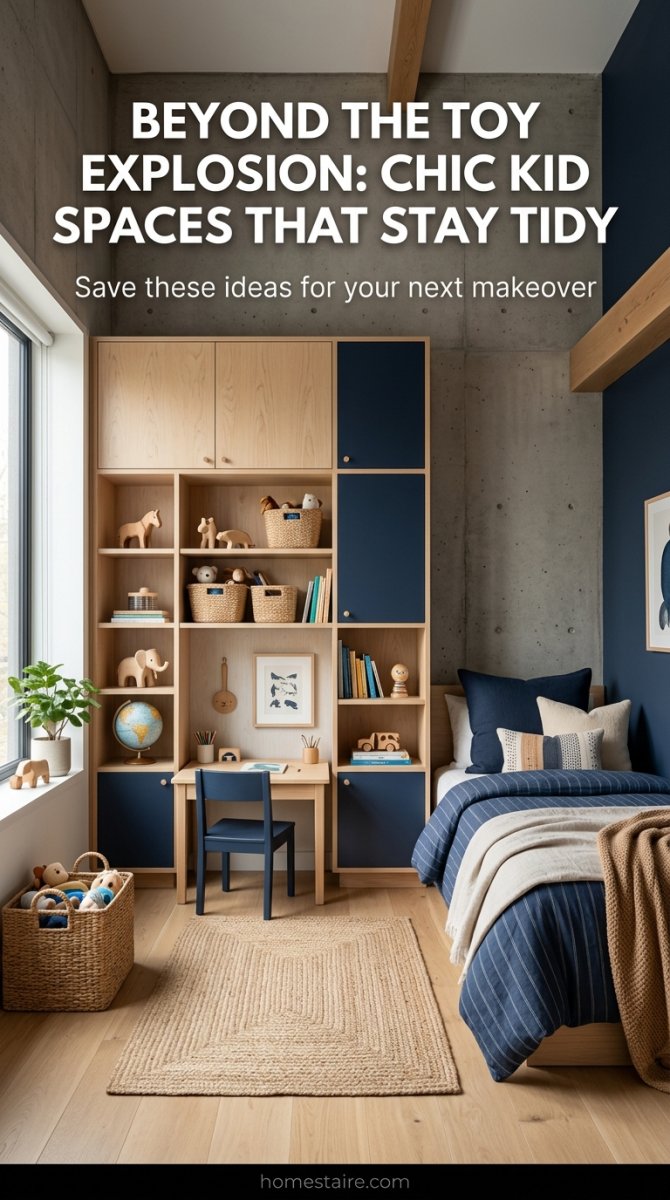
A kids’ bedroom collects toys, books, and clothes quickly. A good design makes tidying easy, gives each item a home, and still feels like a place a child enjoys.
This guide covers 14 kids’ bedroom ideas that help with storage and clutter, plus a safety checklist, a table, and an FAQ. It’s based on design and child-safety guidance rather than personal experience, so follow product instructions and local safety standards, and tailor choices to your child’s age.
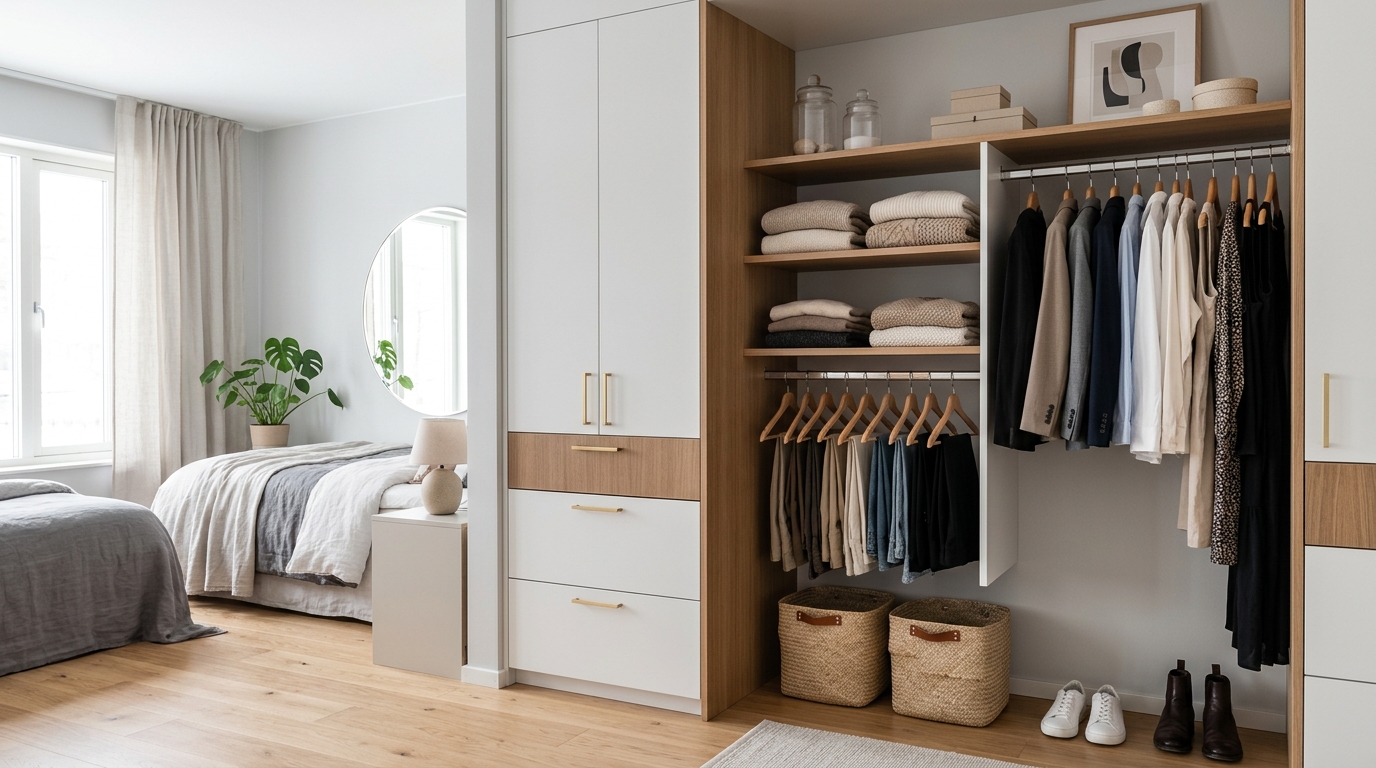
1. A Scandinavian-style room
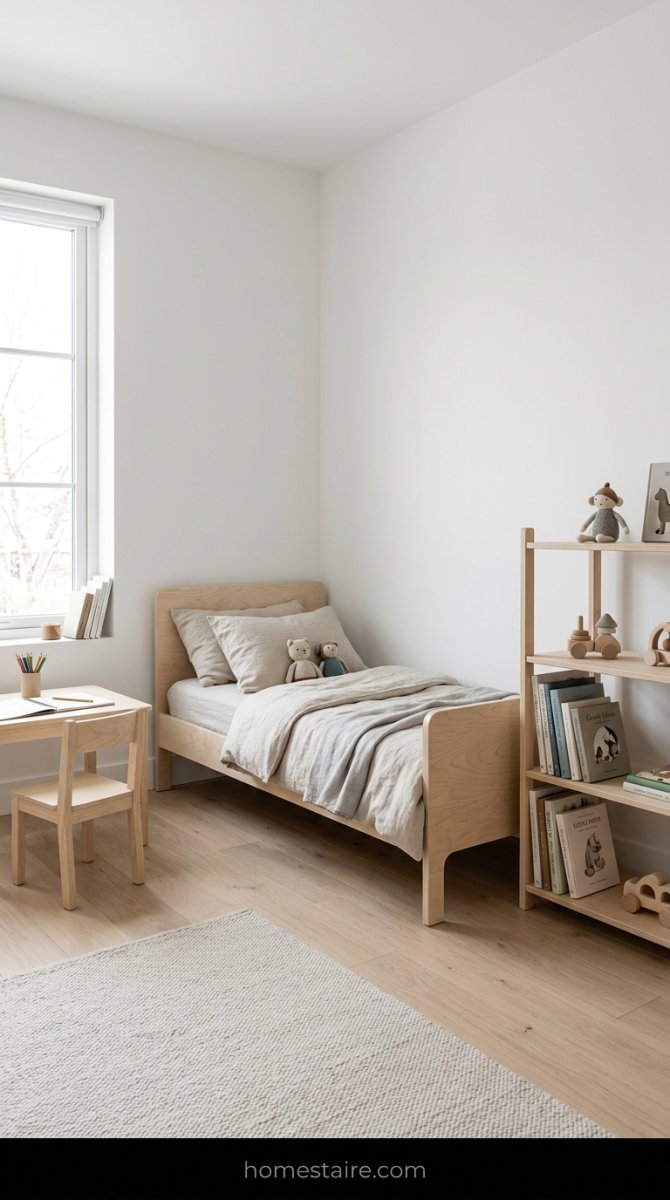
A light, simple scheme with natural wood, white, and a few colors keeps the room calm. Closed storage hides visual noise.
It’s easy to adapt as your child grows.
2. Built-in bunks with storage

Built-in bunks with drawers or shelves underneath save floor space and give each child a defined area.
Safety matters. Upper bunks are generally not recommended for children under six, and they need sturdy guardrails and a secure ladder.
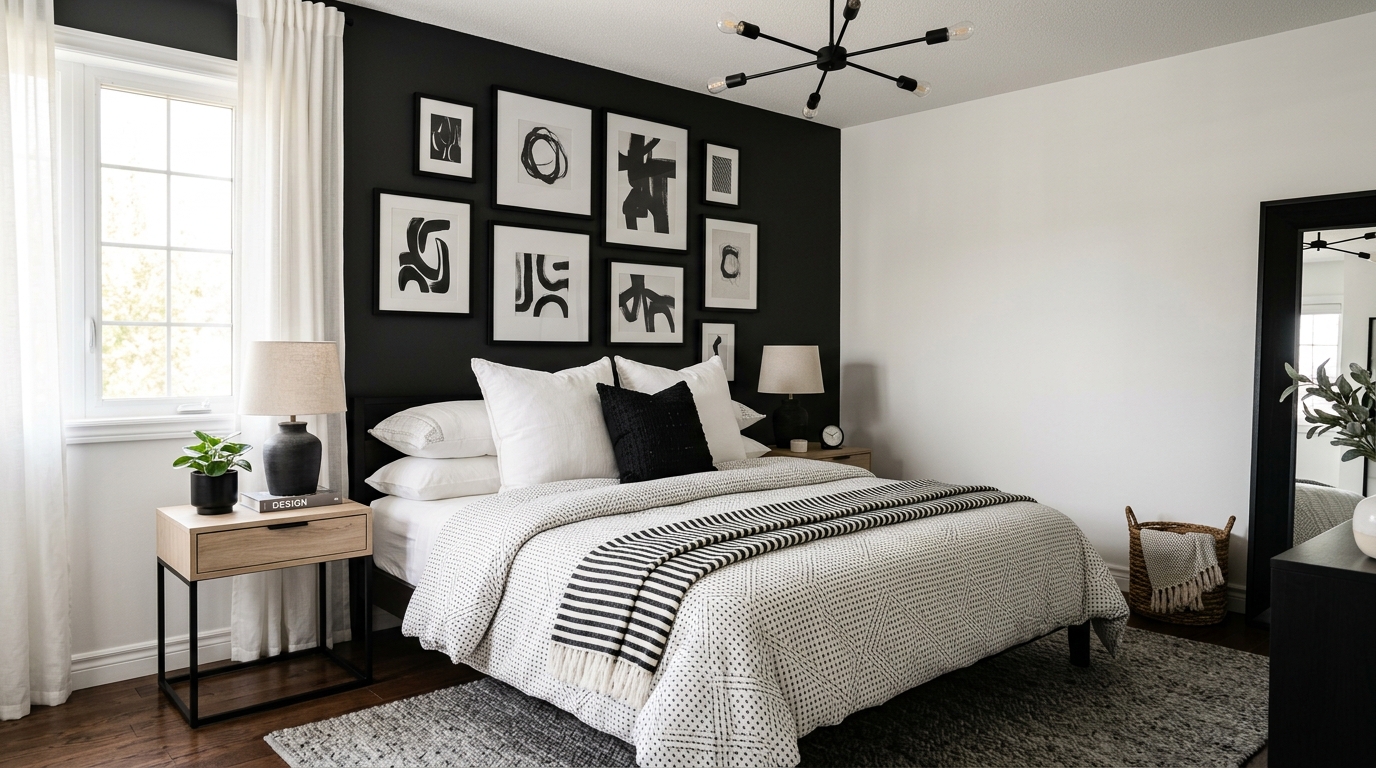
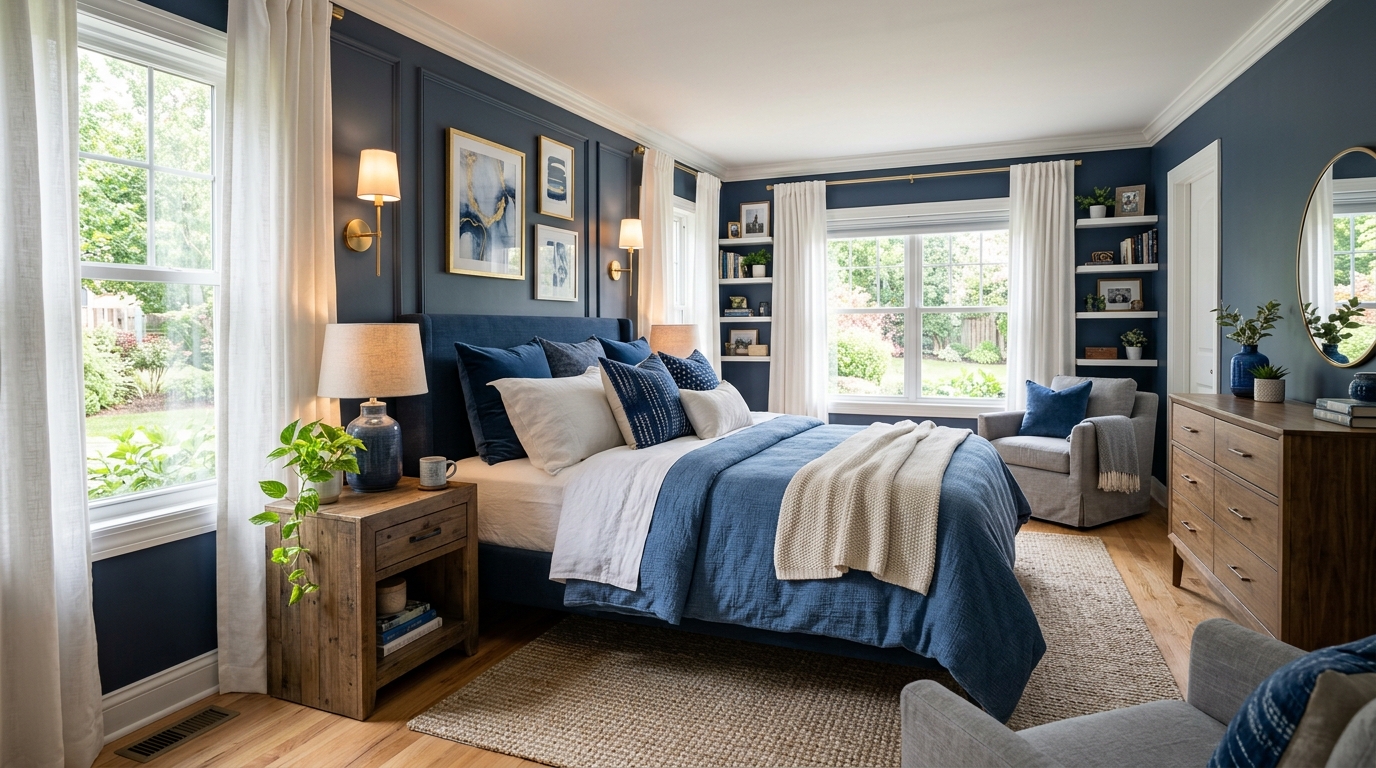
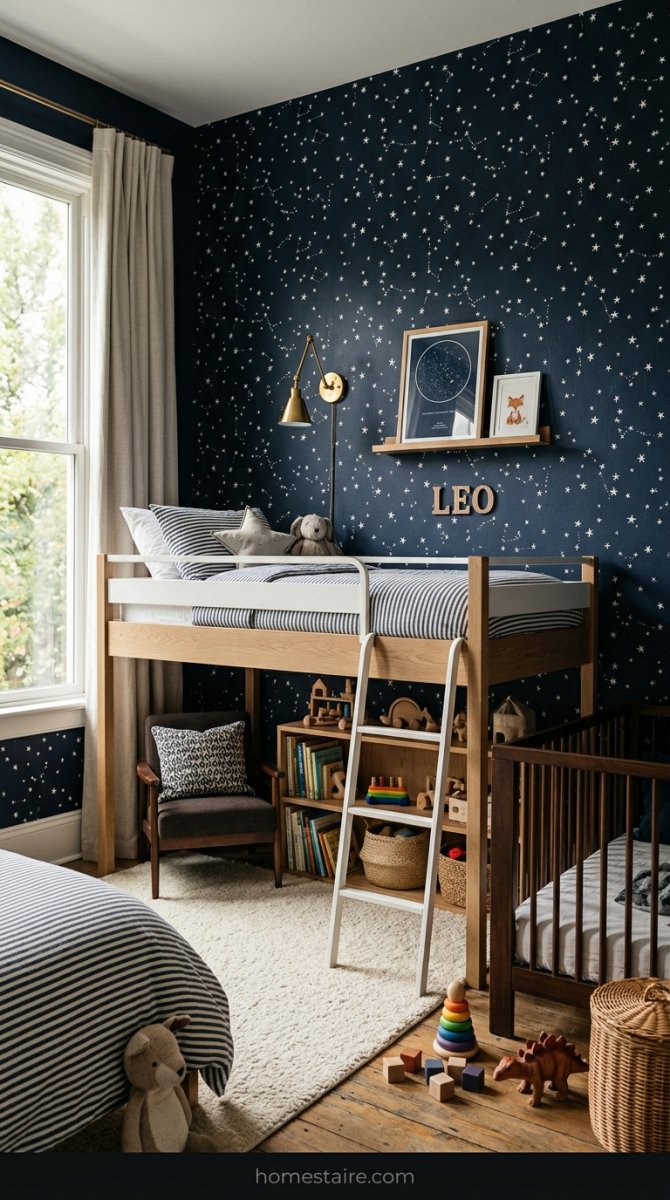
3. Consider darker wall colors
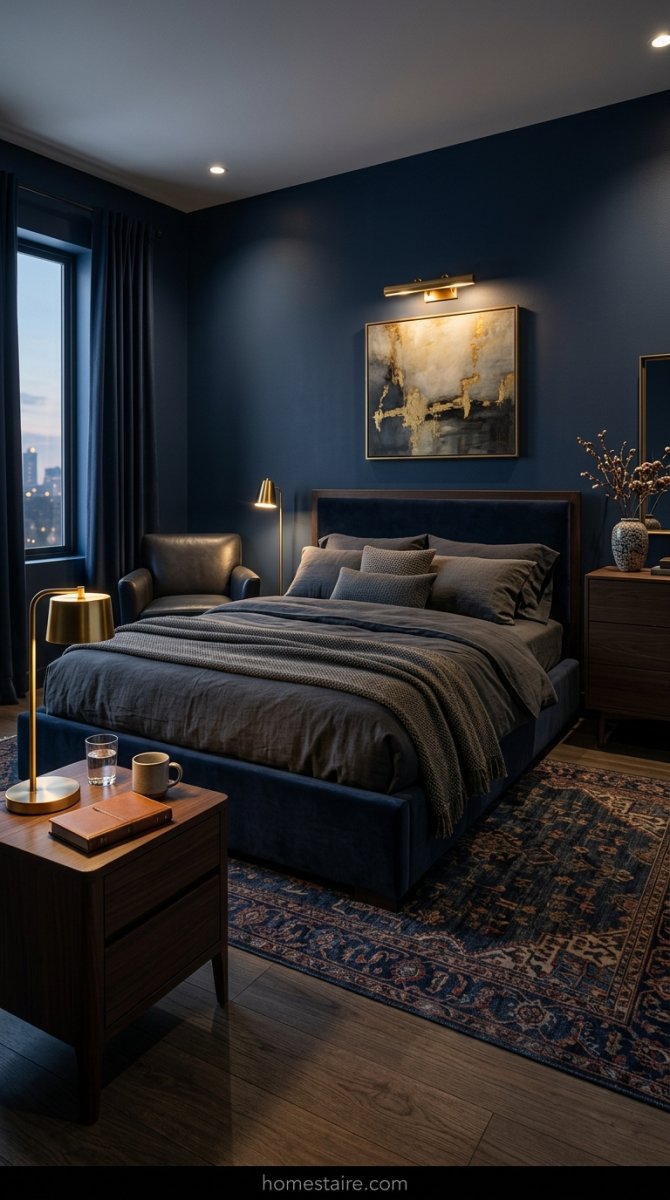
Deep colors such as navy or forest green can hide scuffs and make a room feel cozy. They suit older children.
Use a washable paint and make sure the room has enough light.
4. An explorer-style room
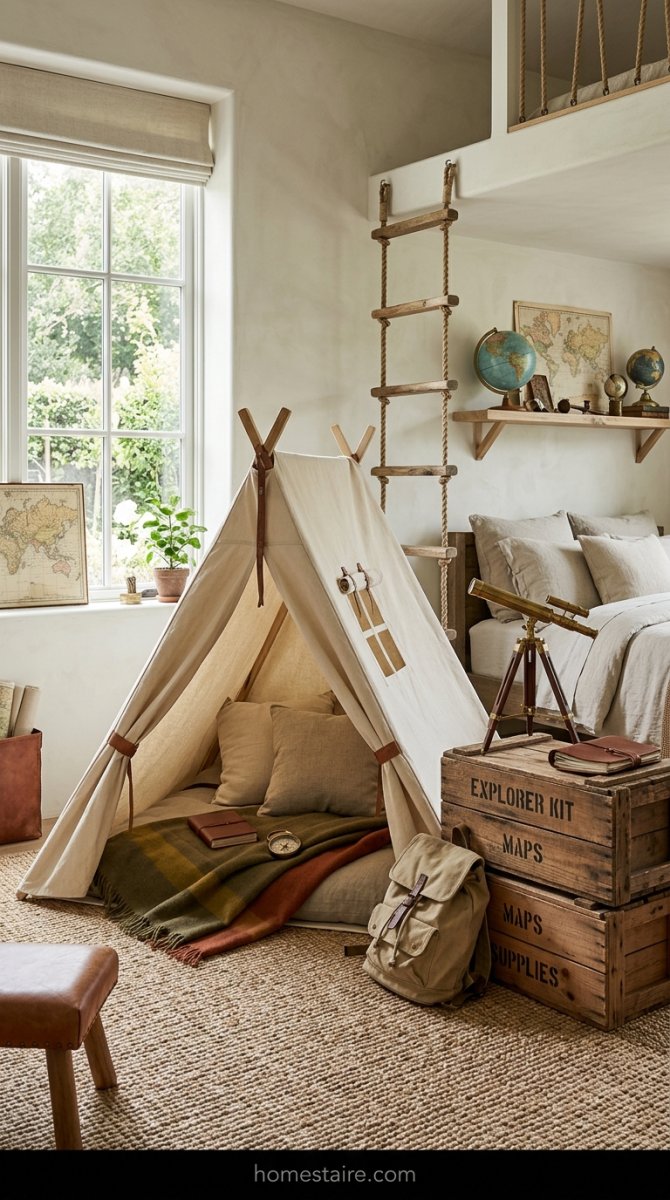
Maps, wooden toys, and natural materials create a timeless theme without plastic clutter.
Choose toys and decor that suit your child’s age.
5. Vertical play zones

Wall-mounted shelves, climbing holds, or hanging chairs use vertical space and free up floor area.
Anchor everything securely and follow weight limits.
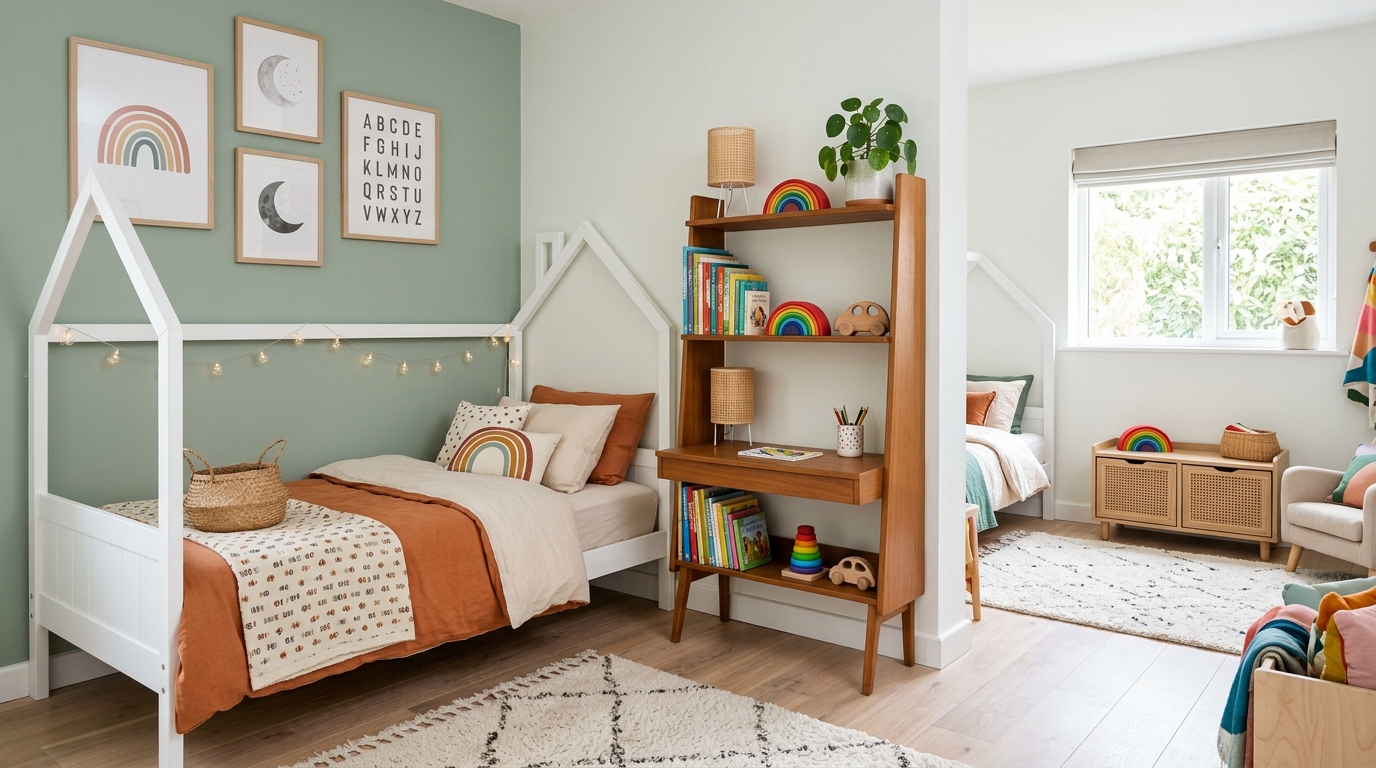
6. Slim book ledges
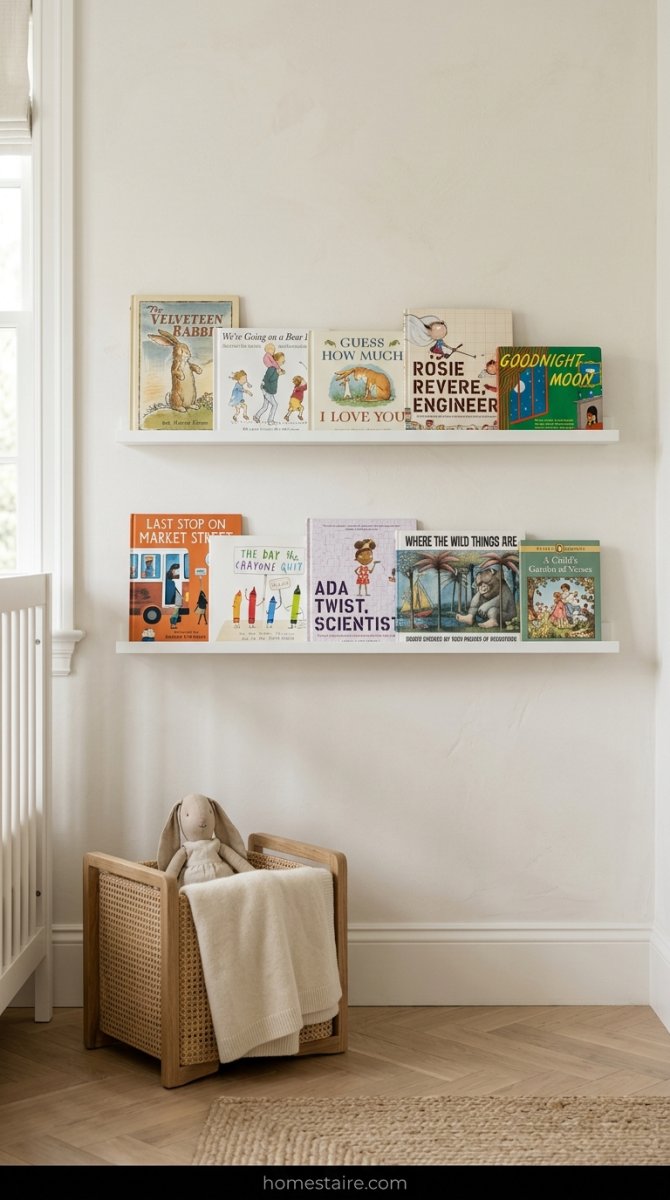
Shallow ledges show book covers, which helps children choose and put away books. They take little space.
Mount them at a height children can reach, with edges that are safe.
7. A storage bench
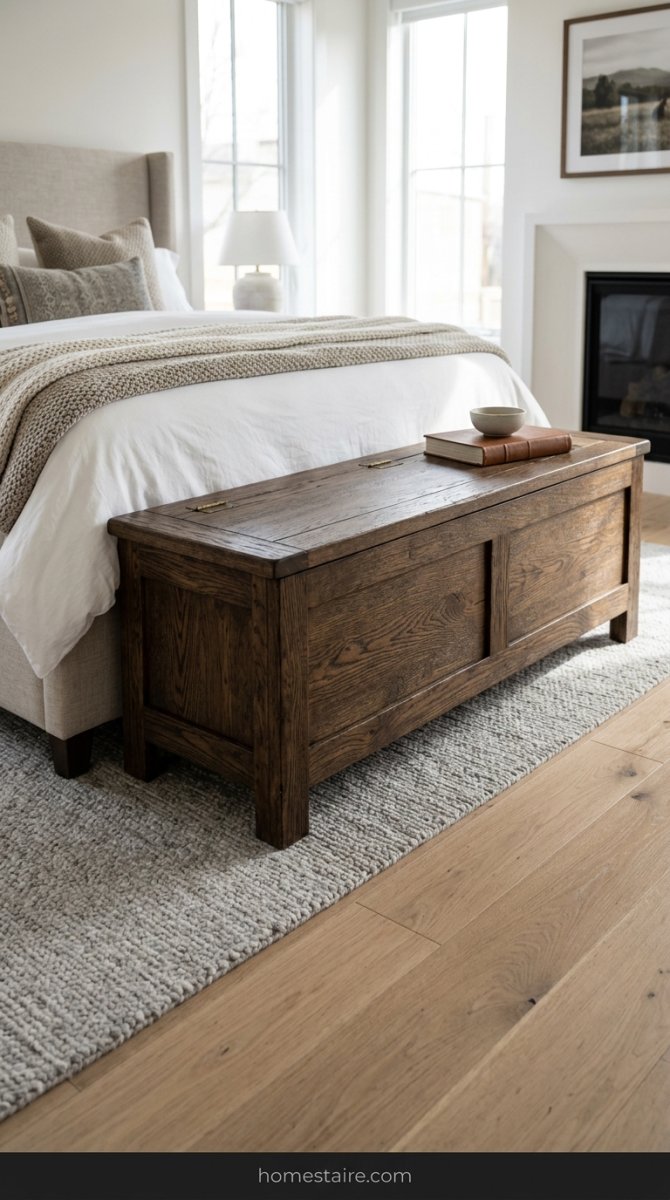
A bench with a hinged or lift-up lid stores toys and doubles as seating. Choose one with a slow-close hinge to protect fingers.
A lid-support mechanism prevents slamming.
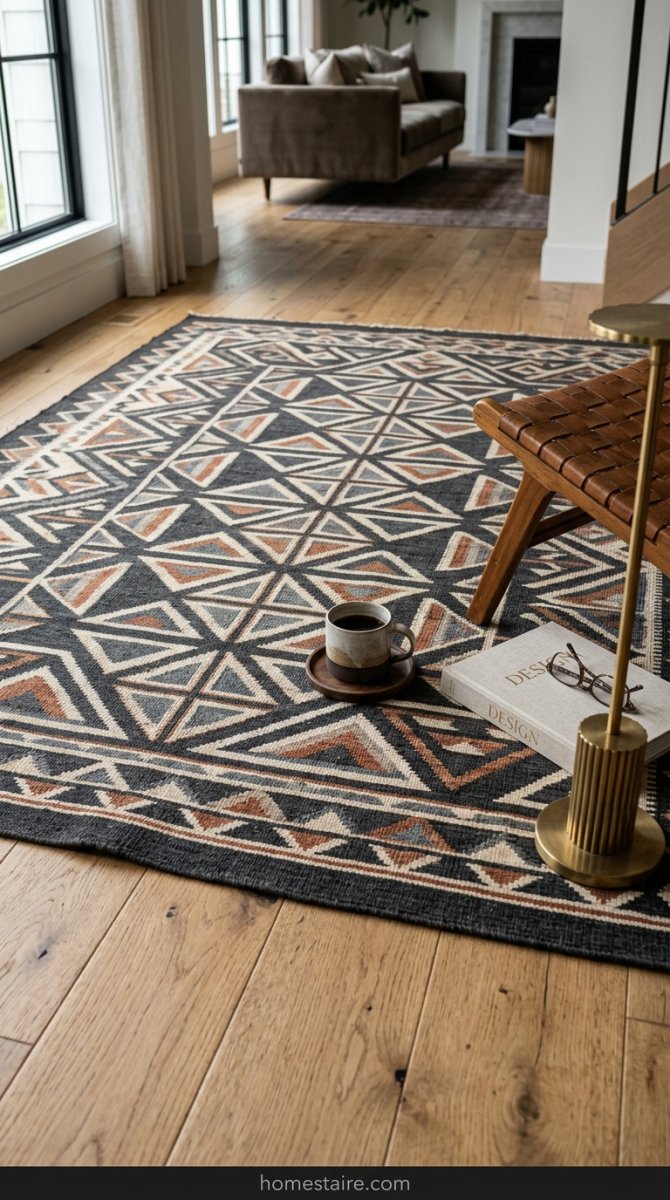
8. Use patterns wisely
A busy pattern on a rug or bedding hides small stains and crumbs. Keep the rest of the room simple so it doesn’t feel chaotic.
Choose washable fabrics.
9. Sturdy metal shelving

Metal shelving holds up to heavy use and can be adjusted as needs change. Use bins to keep small items contained.
Anchor it to the wall to prevent tipping.
10. A pegboard wall

Pegboards hold bags, art supplies, and small shelves, and you can rearrange them as interests change.
Use rounded or child-safe hooks and mount at a safe height.
11. Rotate toys and clothes

Keep a limited set of toys out and store the rest, then swap them periodically. Fewer toys in play means less to tidy, and the stored toys feel new when they return.
The same idea works for out-of-season clothes.
12. Soft lighting
Warm lamps and a dimmer create a calming evening routine. A night light helps younger children feel secure.
Choose cool-to-the-touch LED night lights and keep cords out of reach.
13. A three-bin cleanup system

Three bins labeled by type, such as blocks, vehicles, and soft toys, make cleanup quick and teach sorting. Use picture labels for younger children.
A short nightly cleanup keeps things from piling up.
14. Choose sturdy furniture

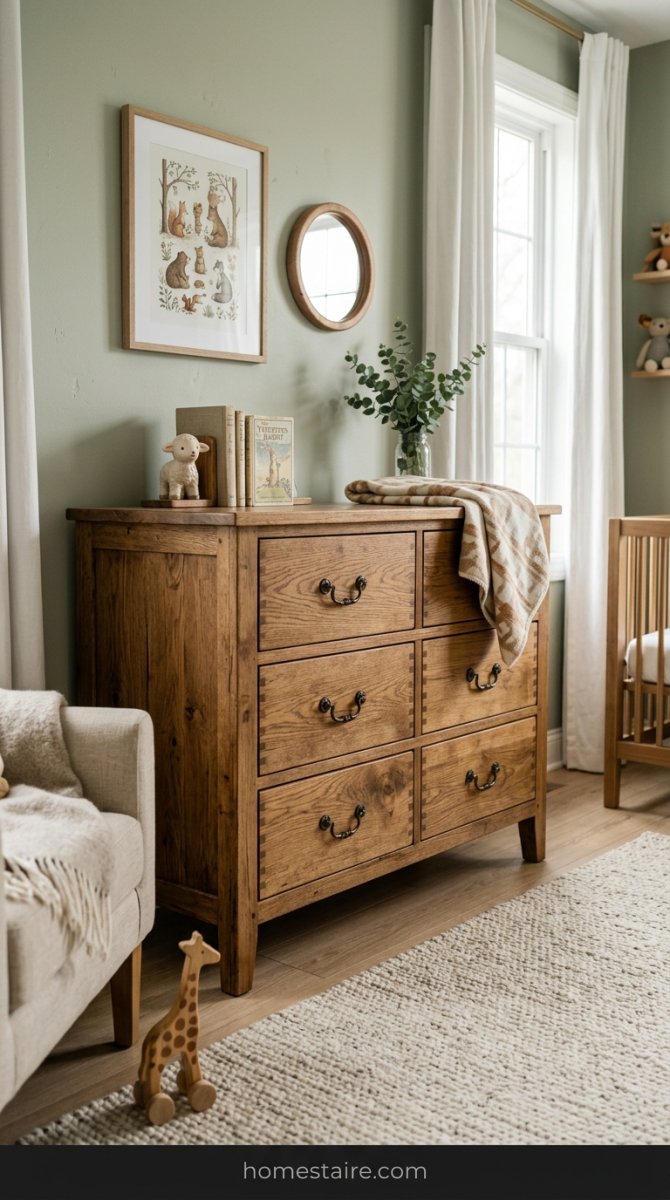
Solid wood furniture lasts through years of use. Check for non-toxic finishes and rounded edges.
Anchor dressers and tall furniture to the wall, since tip-overs are a known risk for children.
Kids’ room safety checklist
- Anchor dressers, shelves, and bookcases to wall studs.
- Check bunk bed guardrails and ladder strength.
- Keep cords for blinds and lights out of reach.
- Use low-VOC paints and non-toxic finishes.
- Choose rounded edges and avoid small detachable parts for young children.
Storage ideas compared
| Idea | Best age | Benefit | Watch out for |
|---|---|---|---|
| Storage bench | Toddler and up | Hides toys | Slamming lids |
| Book ledges | Any | Shows covers | Edges and height |
| Bunks with storage | 6 and up | Saves floor space | Guardrails |
| Pegboard | School age | Flexible | Hook safety |
| Metal shelving | Any | Durable | Anchoring |
Kids’ bedroom FAQ
How do I keep a kid’s room tidy? Reduce what’s out, label bins, rotate toys, and build a short nightly cleanup routine.
At what age can a child sleep in the upper bunk? Safety guidance generally recommends not using the upper bunk for children under six.
How do I make a room that grows with a child? Choose neutral furniture, adjustable shelving, and swap accessories as tastes change.
Conclusion
A kid-friendly bedroom makes tidying easy with simple storage, clear labels, and sturdy furniture. Put safety first, and design the room around how your child actually plays.