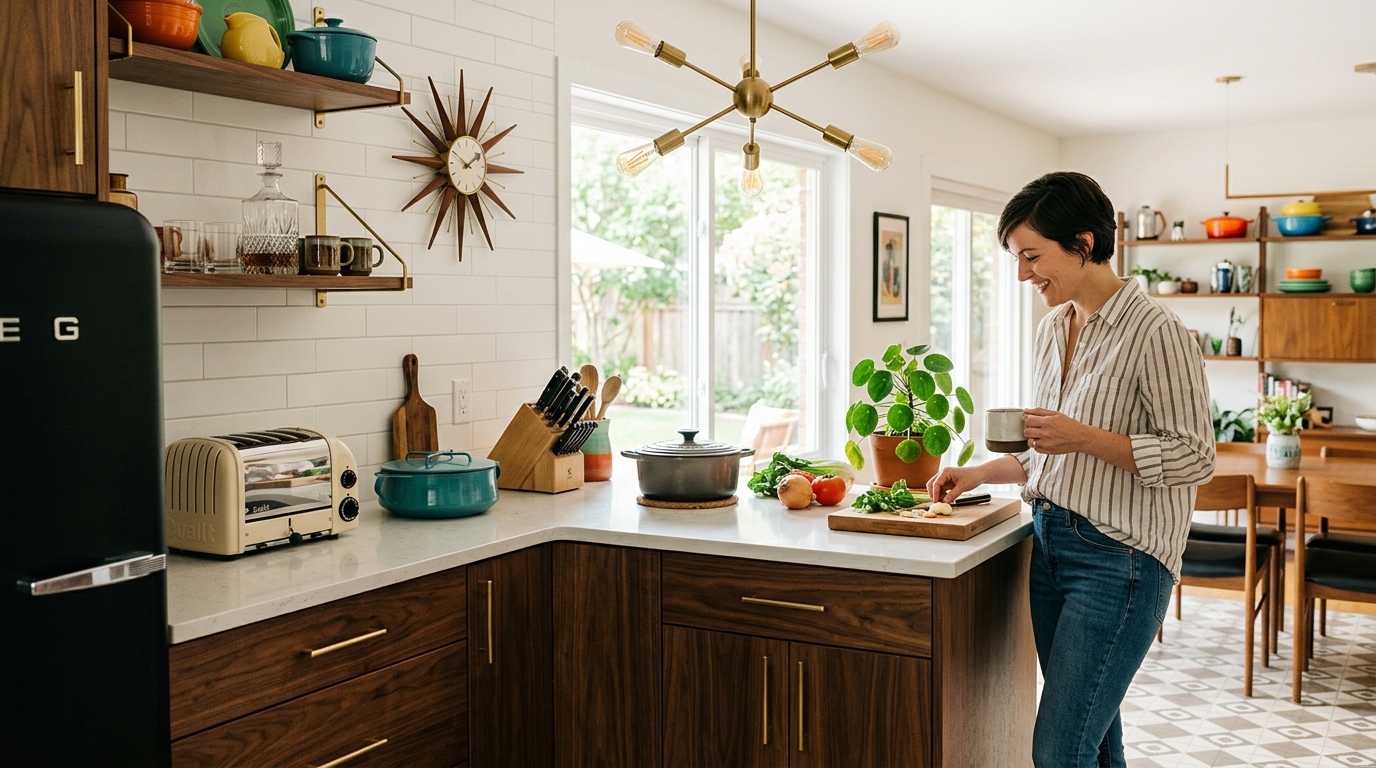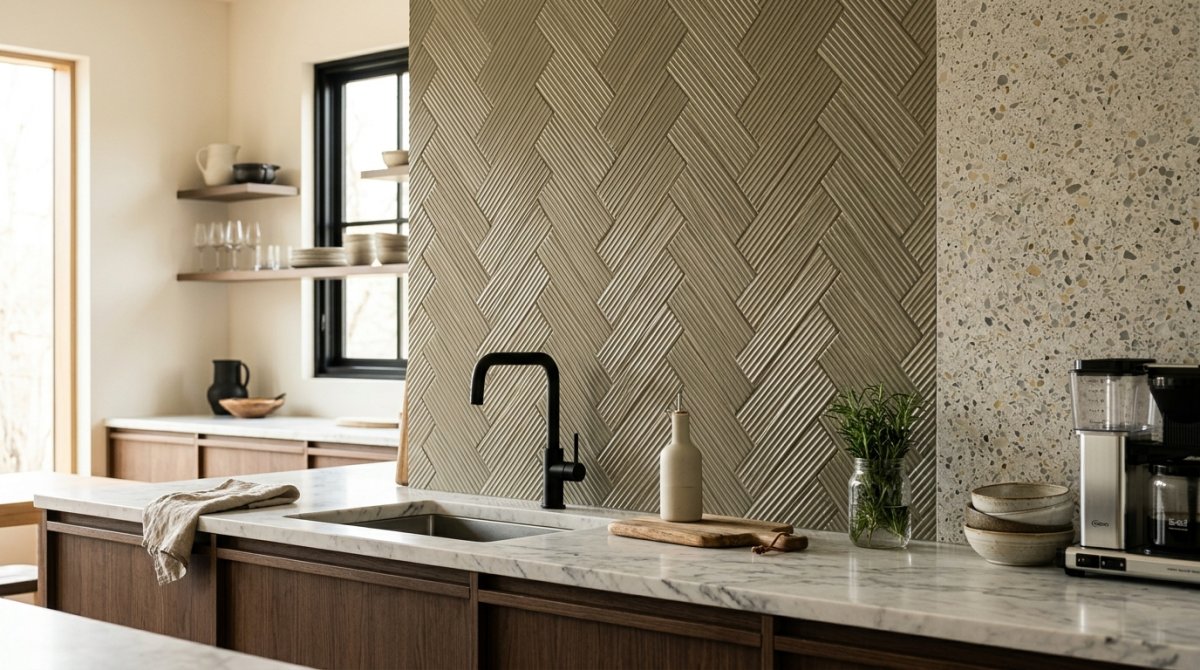


Industrial kitchens borrow from factories and warehouses, with steel, brick, concrete, and exposed pipes. Without warmth, they can feel cold and hard.
This guide covers 15 ways to make an industrial kitchen warmer and more livable, with a materials table and FAQ. It’s based on design and material guidance rather than a personal remodel, so confirm structural, plumbing, and surface details with professionals.
1. Avoid a cold, all-metal look

A kitchen made only of steel, concrete, and gray can feel clinical. Mixing in warm materials and soft textures balances it.
Plan the proportions before you buy.
2. Add warm brass
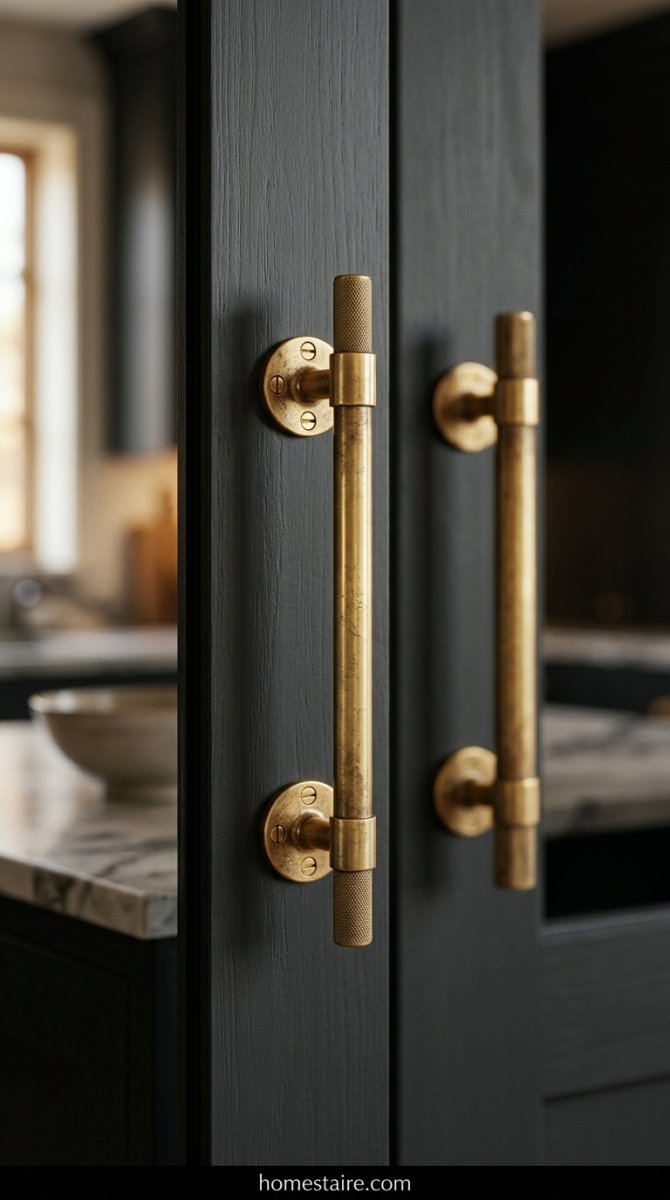
Brass hardware and fixtures warm up stainless steel and black metal.
Keep brass to accents.
3. Use reclaimed wood

Reclaimed wood on shelves, an island, or a table adds warmth and history.
Seal it for kitchen use and check for old nails and finishes.
4. Choose warmer lighting
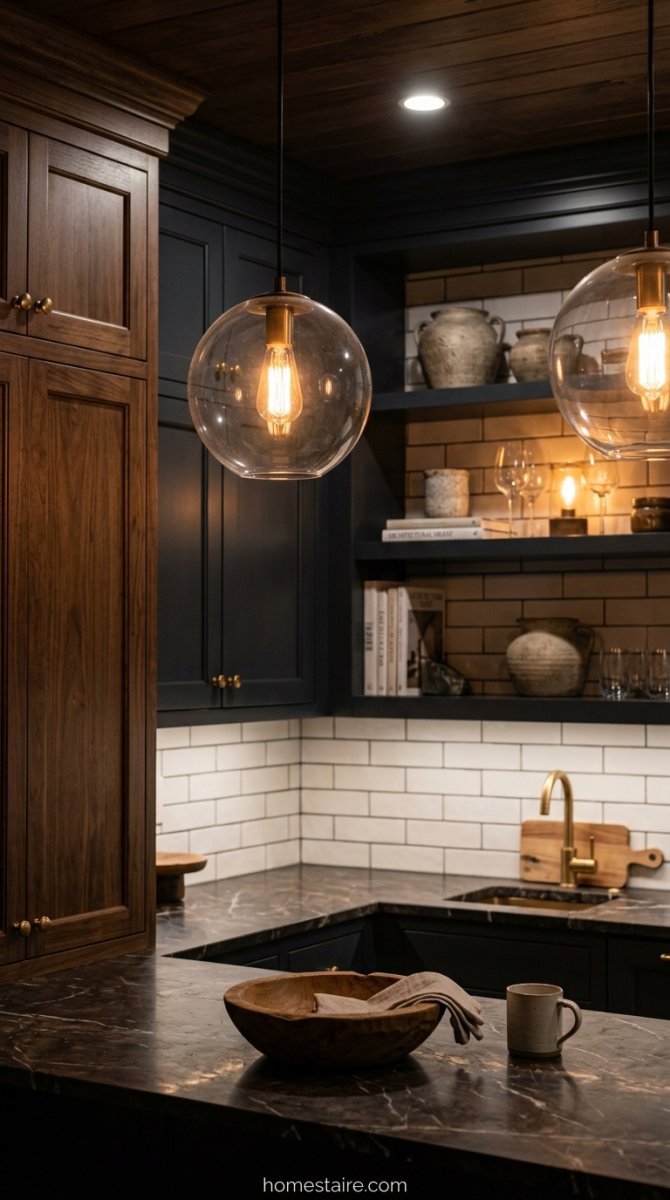
Use warm bulbs, dimmers, and layered lighting instead of stark, cool fixtures.
Combine pendants with under-cabinet task lighting.
5. Style exposed brick
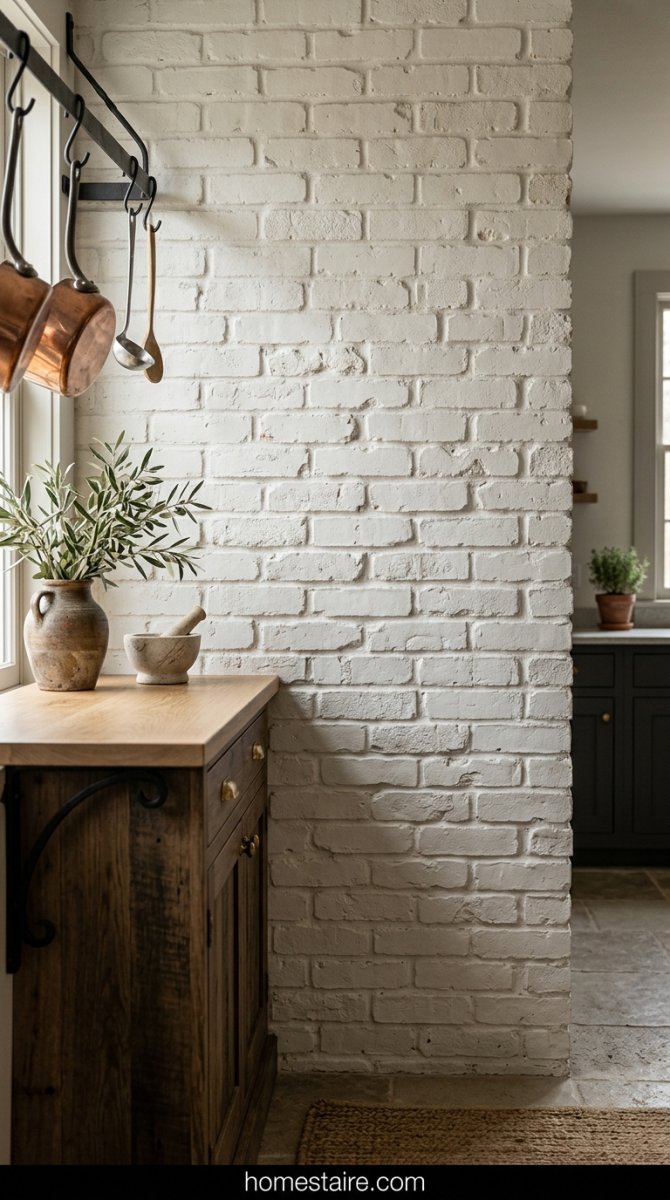
Brick adds texture, but a bare wall can feel heavy. Add art, shelves, or plants.
Seal brick near the stove to make cleaning easier.
6. Use open shelving carefully

Open shelves suit the style but show clutter and collect grease. Keep them tidy and away from the stove.
Use them for items you use daily.
7. Add a washable rug

A rug or runner softens hard floors and absorbs sound. A washable, low-pile version works in kitchens.
Use a non-slip backing.
8. Mix matte black with soft edges

Black steel looks crisp. Soften it with rounded shapes, wood, and textiles.
Avoid too many sharp angles.
9. Plan concrete countertops carefully

Concrete is durable but porous and can stain and crack if not sealed and installed properly. It’s also heavy, so cabinets must support it.
Hire a fabricator with concrete experience and reseal regularly.
10. Add large plants
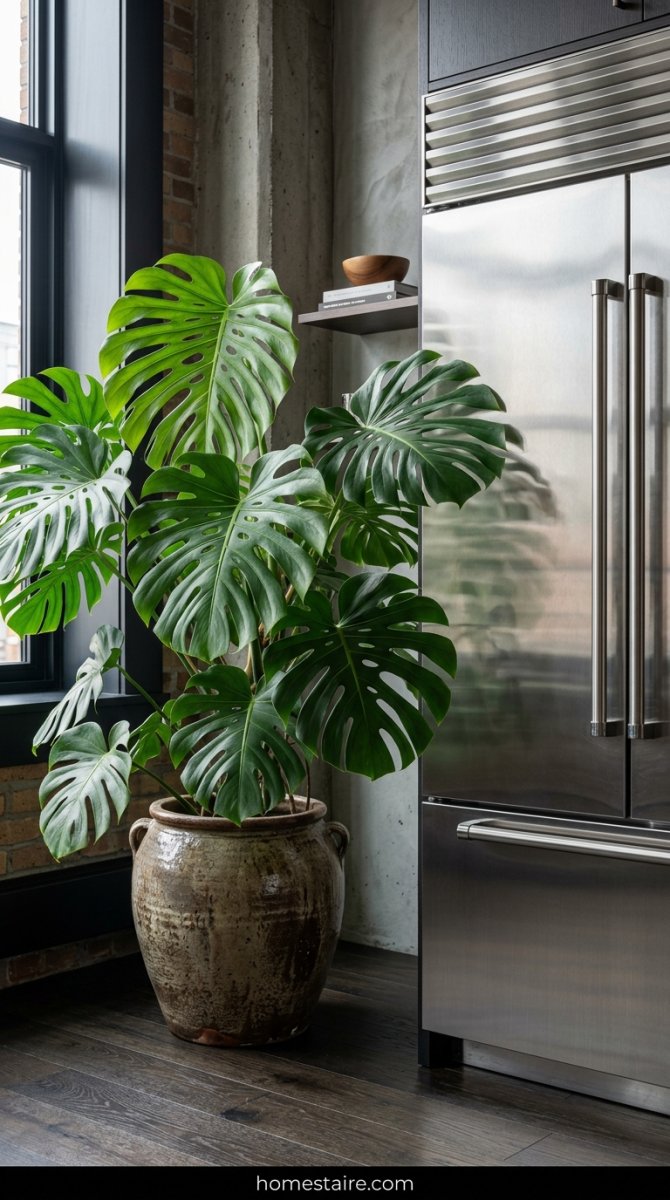
Big leafy plants soften hard lines and add life.
Choose plants that suit your light.
11. Add pieces with history
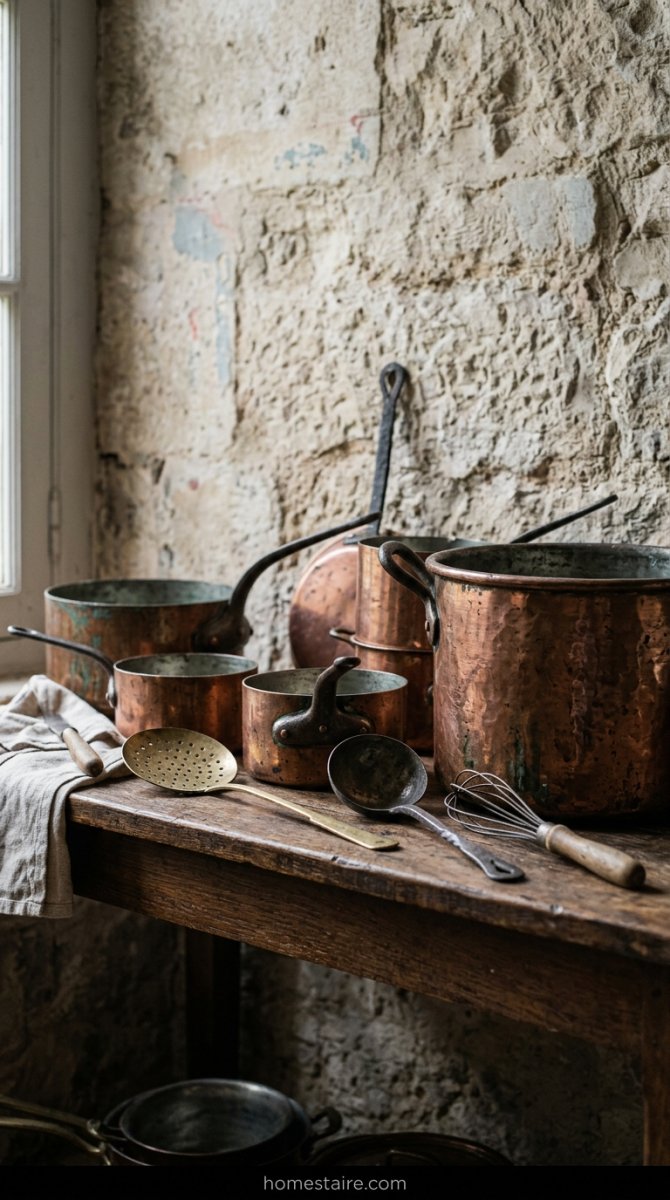
Thrifted items, such as an old stool or crate, give personality to a new kitchen.
Check them for stability and cleanliness.
12. Choose a commercial-style faucet
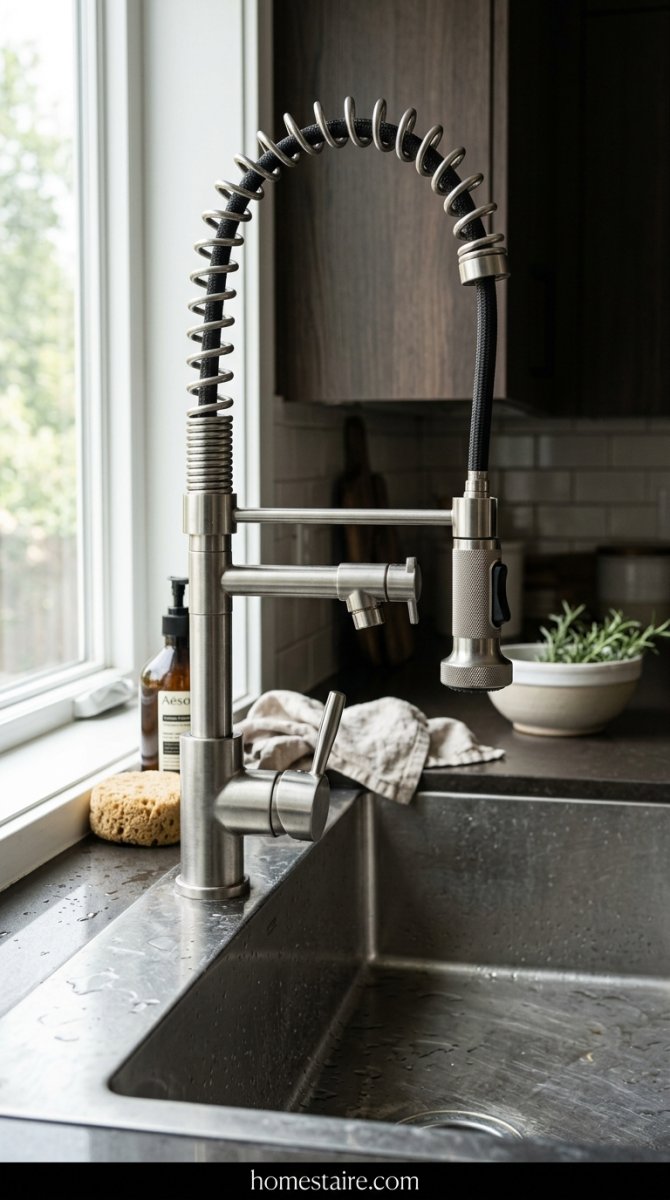
A tall, pull-down commercial faucet is functional and signals the style.
Check sink depth and splash.
13. Choose leather stools

Leather or upholstered seats are more comfortable and warmer than bare metal.
Choose wipeable materials.
14. Paint exposed pipes carefully

Paint exposed pipes in a dark or matching color so they blend in. Use paint made for metal and follow safety rules.
Don’t paint over gas lines or labeled safety markings, and check with a professional.
15. Add color beyond gray
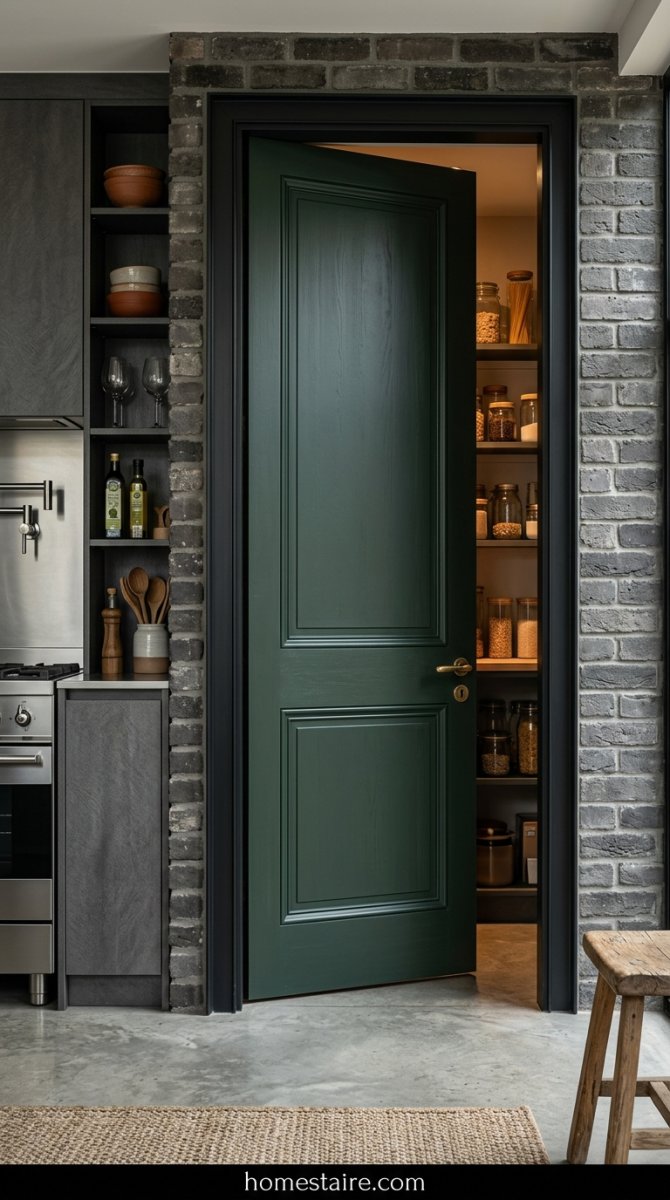
Deep green, rust, or mustard accents warm an industrial palette.
Add color through textiles, ceramics, or one painted element.
Industrial materials: pros and cons
| Material | Pros | Cons |
|---|---|---|
| Stainless steel | Durable, hygienic | Shows fingerprints; cold look |
| Concrete | Unique, durable | Porous; heavy; needs sealing |
| Exposed brick | Texture | Porous; needs sealing near stove |
| Reclaimed wood | Warmth | Needs sealing |
| Matte black metal | Crisp contrast | Can feel heavy |
Industrial kitchen FAQ
How do I make an industrial kitchen feel cozy? Add wood, warm lighting, plants, and soft textiles.
Is concrete a good countertop? It can be, if properly sealed and installed, but it needs maintenance.
What colors suit an industrial kitchen? Black, gray, and brick tones, with warm accents like brass, green, or rust.
Conclusion

An industrial kitchen works best when hard materials are balanced with warmth. Mix wood, brass, plants, and soft textiles, and choose finishes that suit how you cook.