
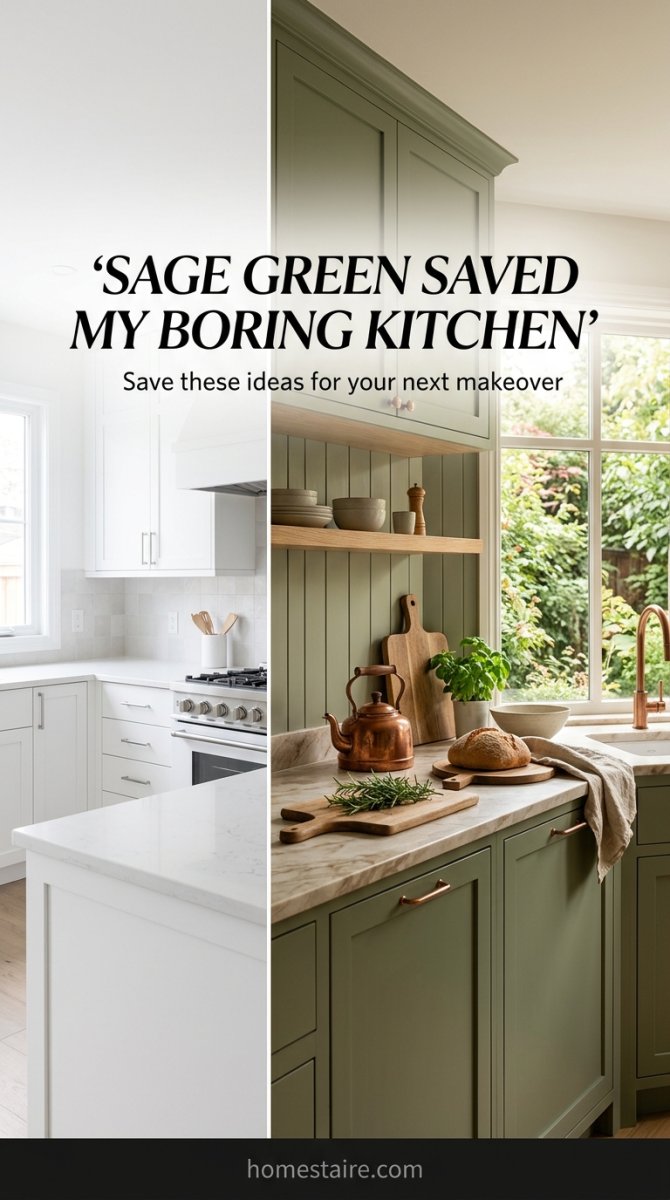
Sage green brings a calm, natural feel to a kitchen and pairs well with wood, brass, and white. But the wrong shade can look dull or gray, and finish choices affect how easy it is to keep clean.
This guide covers 15 tips for planning a sage green kitchen, with a pairing table and FAQ. It’s based on color and design guidance rather than a personal repaint, so test samples in your own light before committing.
1. Why sage works in kitchens
Sage softens a stark white kitchen and feels natural without being loud. It suits modern, farmhouse, and cottage styles.
It works with many materials.
2. Choose the right shade
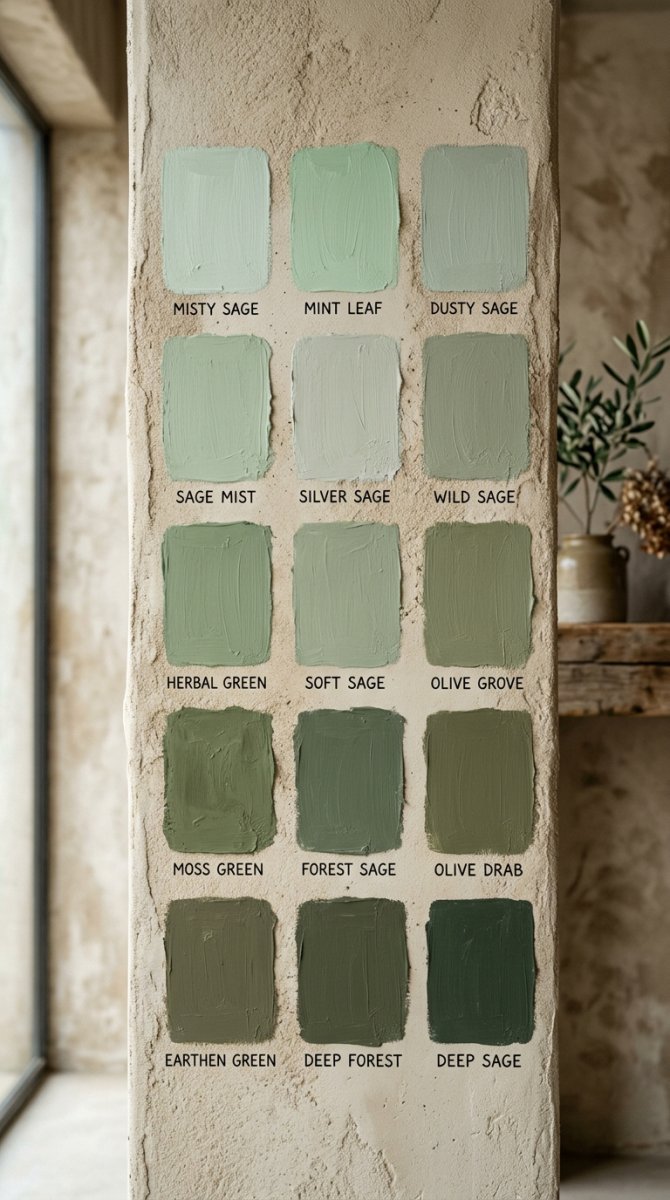
Sages range from gray-green to yellow-green. A gray undertone feels sophisticated, while too much yellow can look dated.
Sample large boards and view them in different light.
3. Options beyond painting
If you’d rather not paint, you can order factory-finished green doors, replace only the doors, or use cabinet refacing.
Compare costs and lead times.
4. Pair with brass hardware
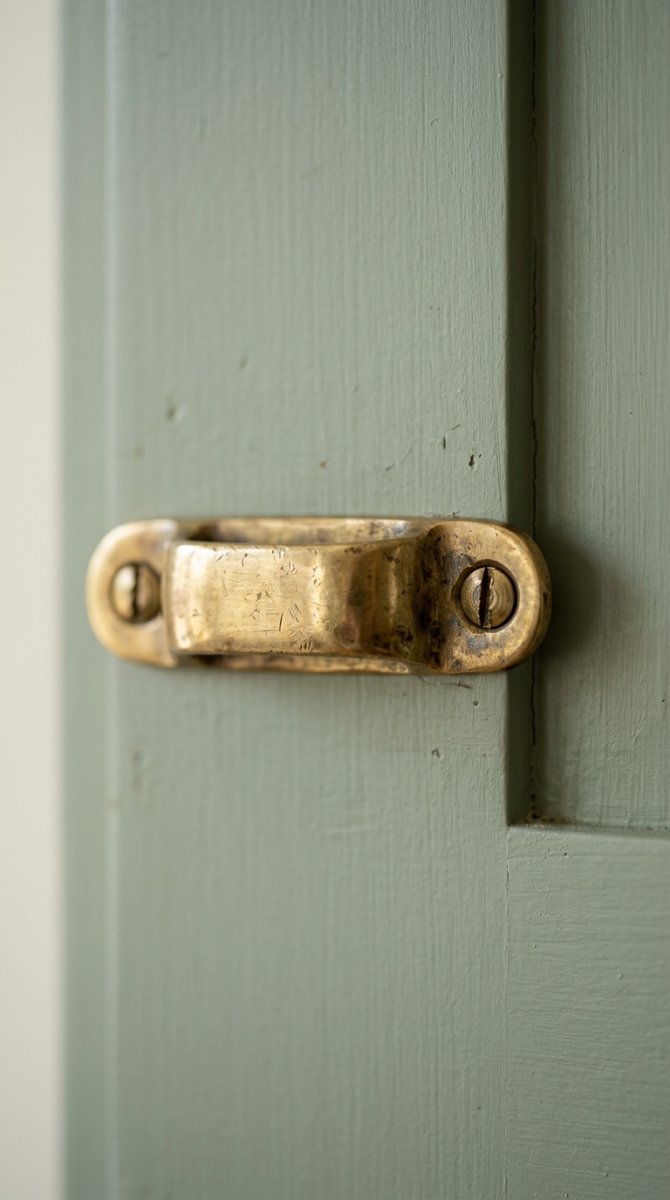
Brass looks warm against sage. Unlacquered brass develops a patina over time, while lacquered brass stays consistent.
Choose based on whether you like the aged look.
5. Add butcher block
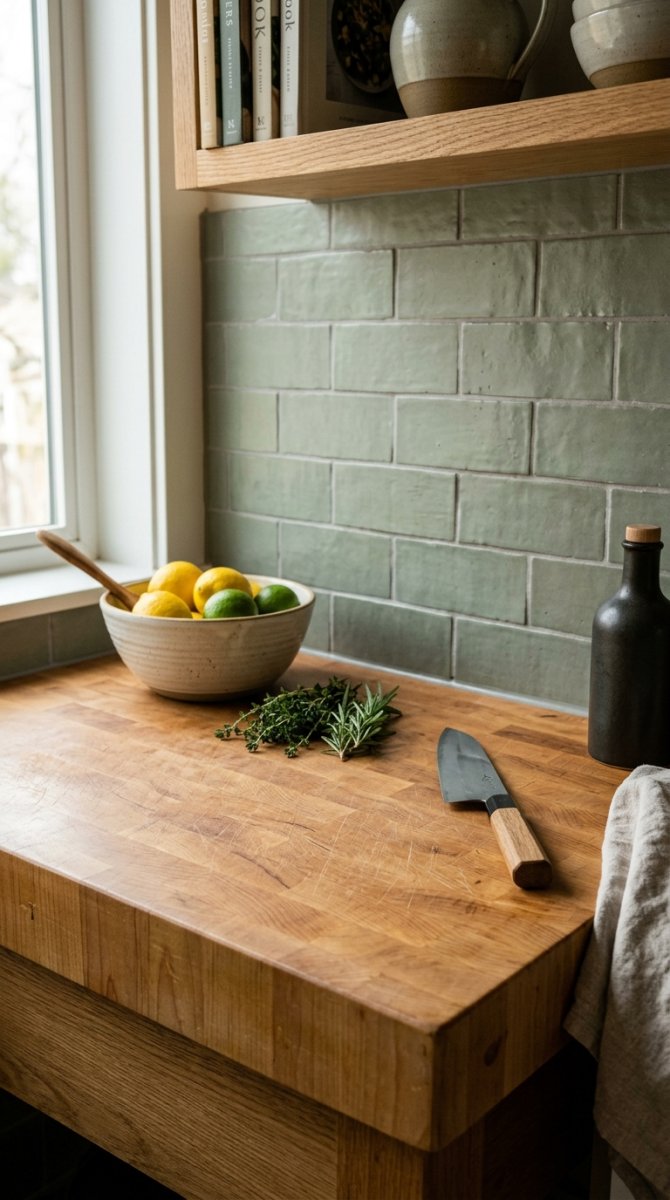
Wood counters add warmth to sage cabinets. Seal them well, and expect to re-oil periodically.
Use them on an island if you don’t want them everywhere.
6. Try a two-tone approach
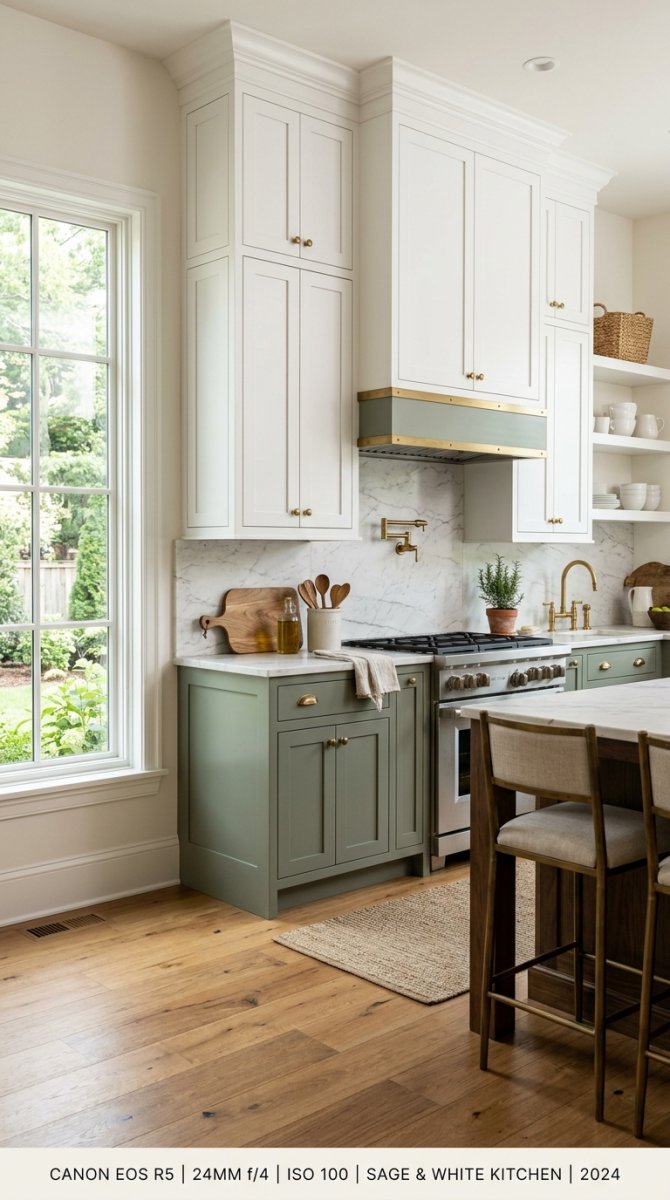
Sage lowers with white uppers, or sage on an island only, is a lower-commitment way to use the color.
Keep the split line logical.
7. Use muted, earthy versions for coziness
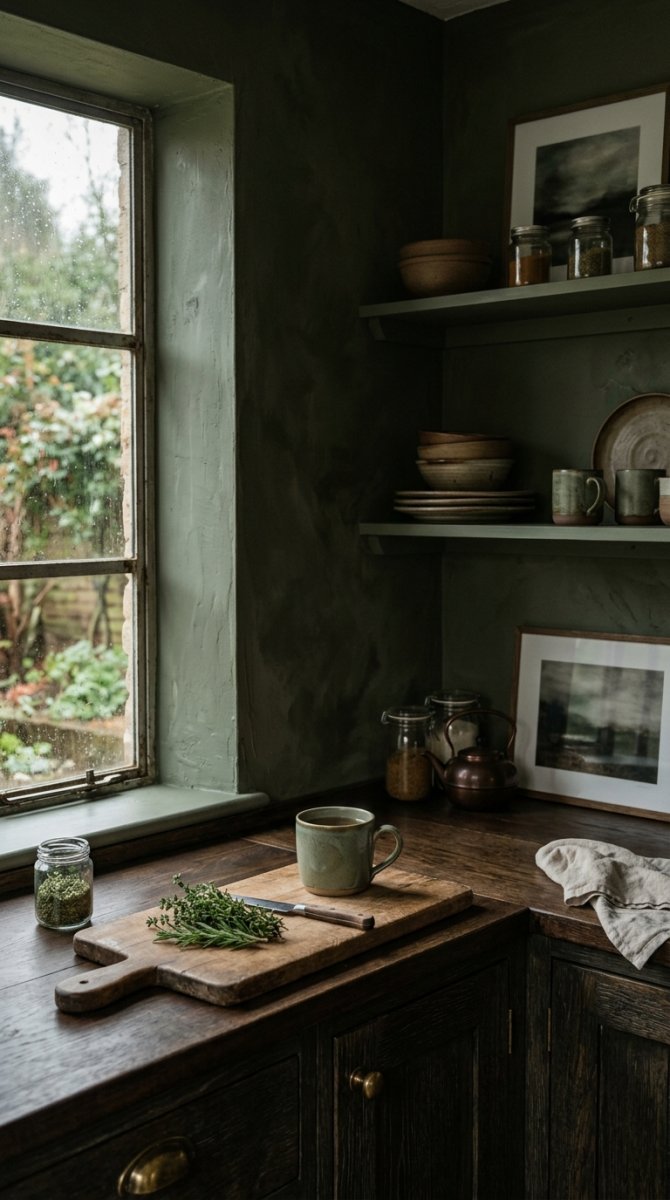
Slightly muddy or grayed greens feel cozy and hide marks.
Avoid bright greens that look artificial.
8. Watch the lighting
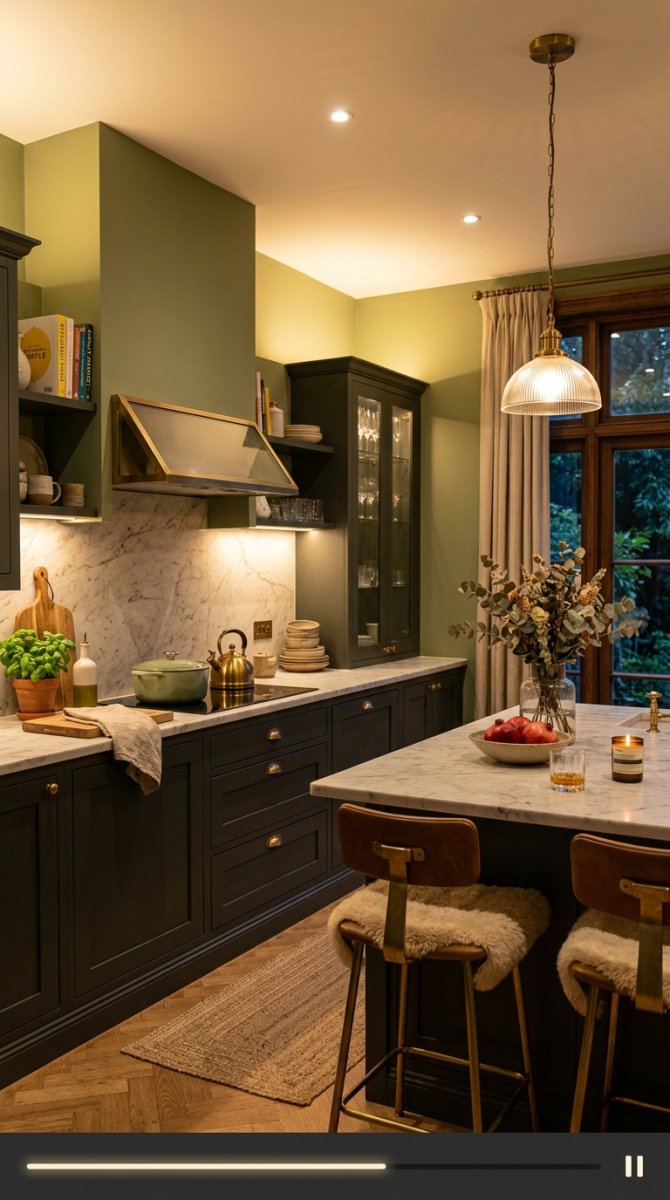
Cool bulbs can make sage look gray. Warm bulbs, around 2700K, keep it friendly.
Check how the color looks at night.
9. Choose a sink that suits sage
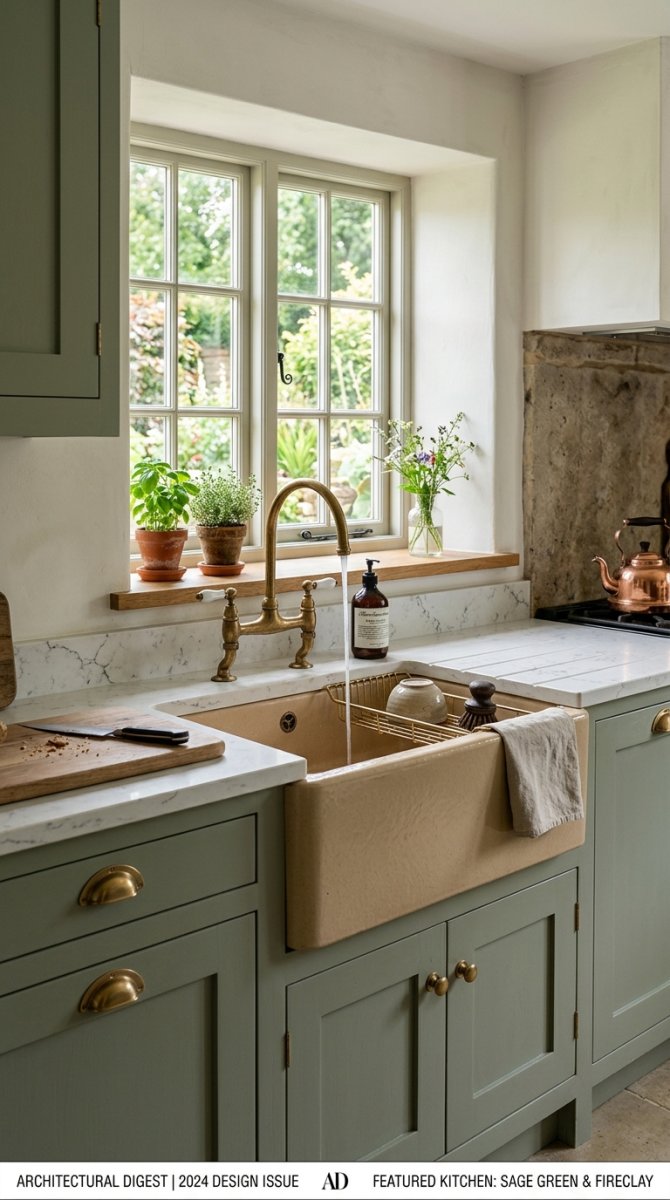
A white fireclay or stainless sink works with sage cabinets. Avoid too many competing finishes.
Keep the faucet finish consistent with the hardware.
10. Pick a finish that cleans well
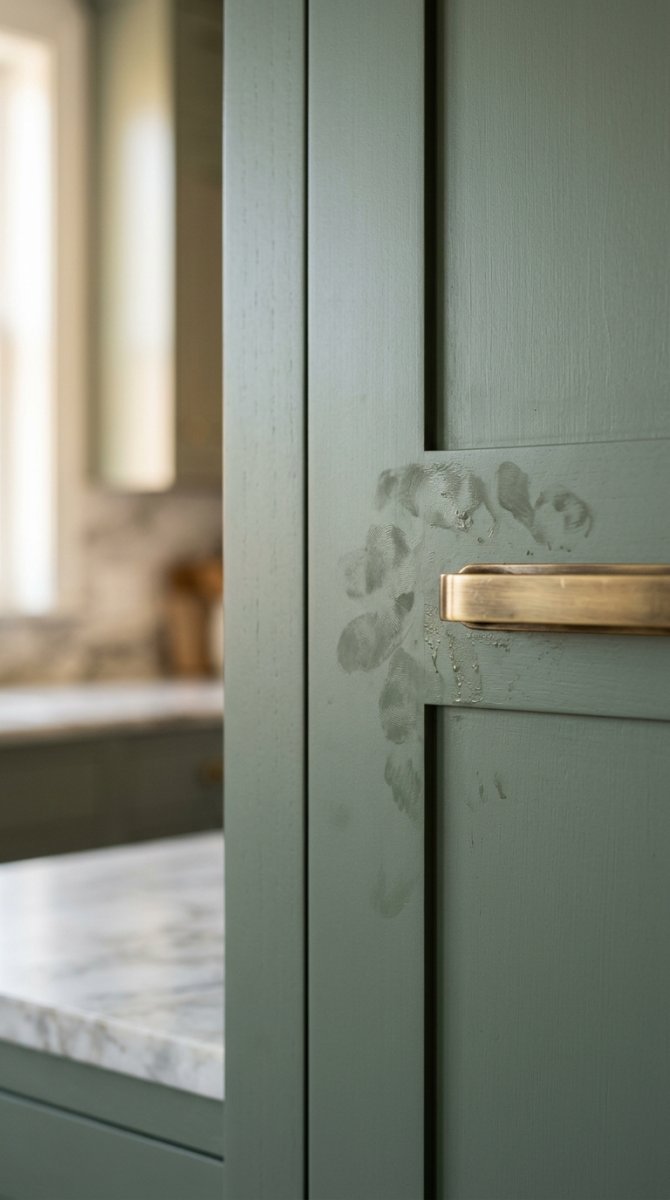
Flat paint is hard to wipe. A satin or low-sheen cabinet enamel balances softness and cleanability.
Use paint made for cabinets.
11. Consider dark stone counters
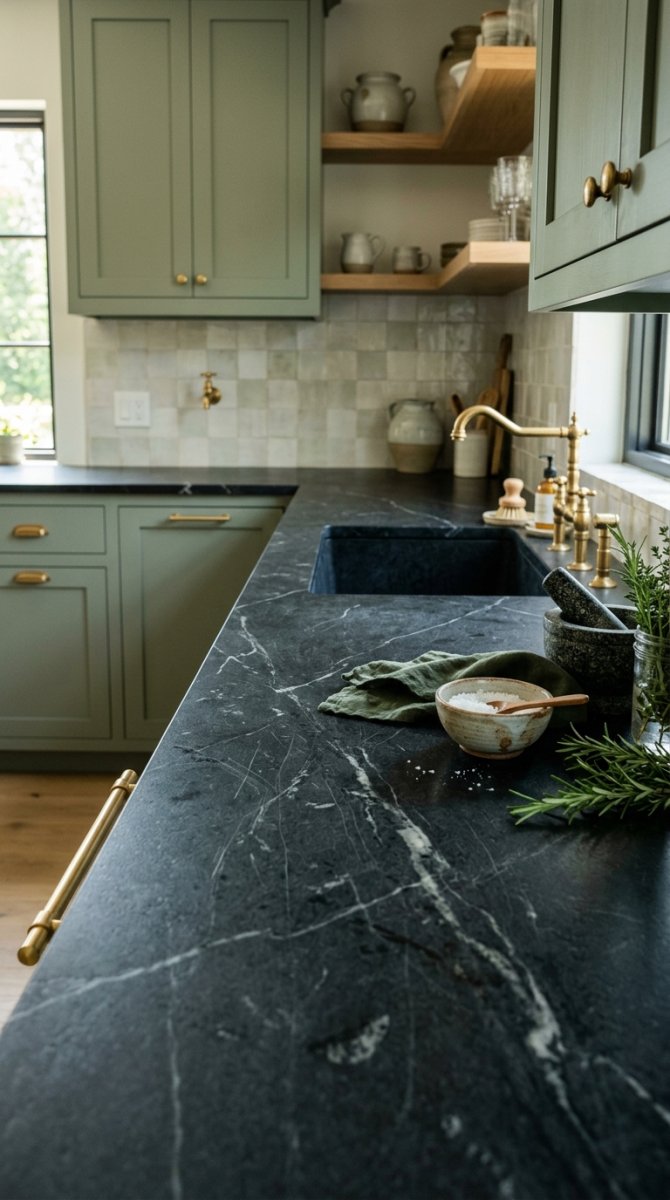
Dark counters make sage feel moody and rich.
Check sealing needs and heat resistance.
12. Prepare cabinet doors properly
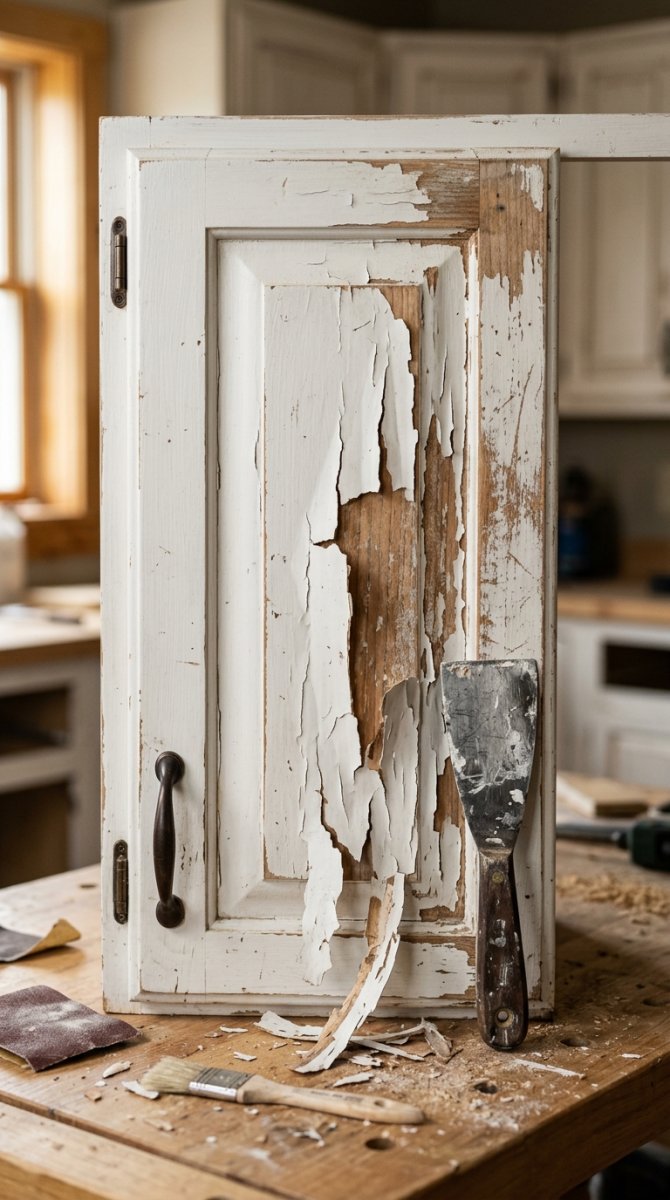
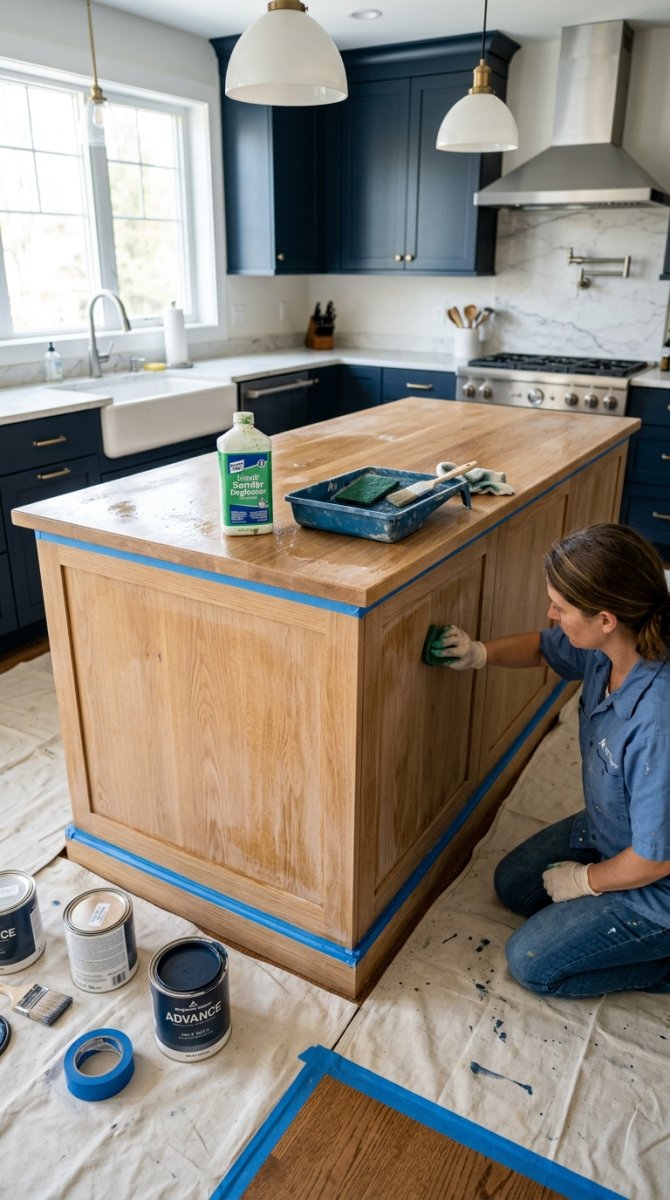
Clean, degrease, sand, and prime doors before painting. Thin coats with proper drying time avoid drips and tackiness.
Remove doors and paint them flat.
13. Keep the backsplash subtle
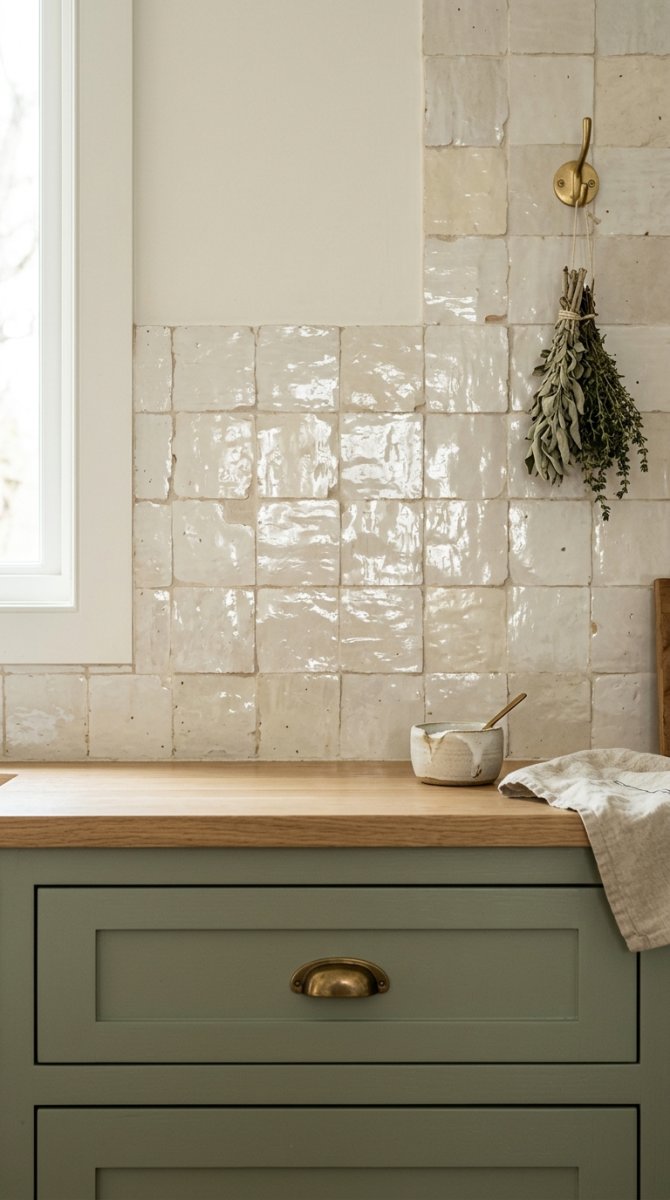
A white, cream, or soft stone backsplash lets sage stand out.
Avoid busy patterns that compete.
14. Choose a warm or cool sage on purpose
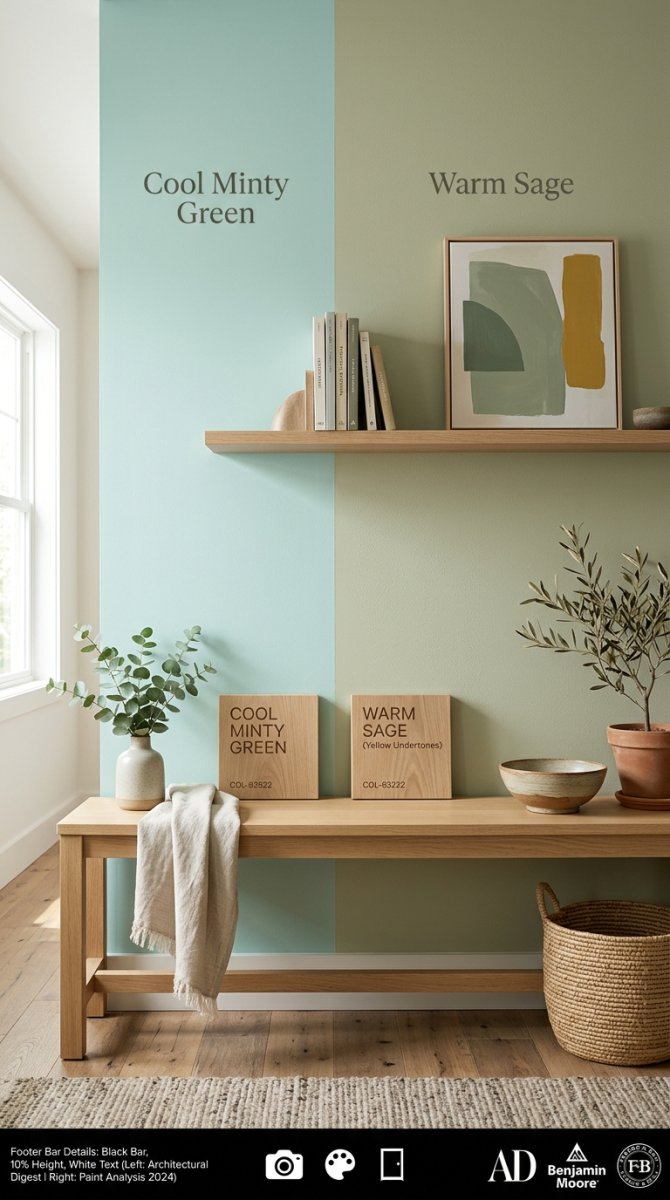
Warm sages pair with wood and brass, and cool sages pair with white and chrome. Keep the whole kitchen consistent.
Test both in your light.
15. Budget for the job

Painting is the cheapest route, while new cabinets cost far more. Factor in primer, paint, hardware, and time.
Get quotes if you hire a painter.
Sage green pairings
| Pair with | Effect |
|---|---|
| Brass hardware | Warm, classic |
| Butcher block | Natural, warm |
| White or cream | Fresh, bright |
| Dark stone | Moody, rich |
| Black fixtures | Modern contrast |
Sage green kitchen FAQ
What finish is best for sage cabinets? Satin or low-sheen cabinet enamel is a good balance.
Does sage green go with white counters? Yes, it’s a classic pairing.
Can I paint over existing cabinets? Yes, with proper cleaning, sanding, and primer.
Conclusion
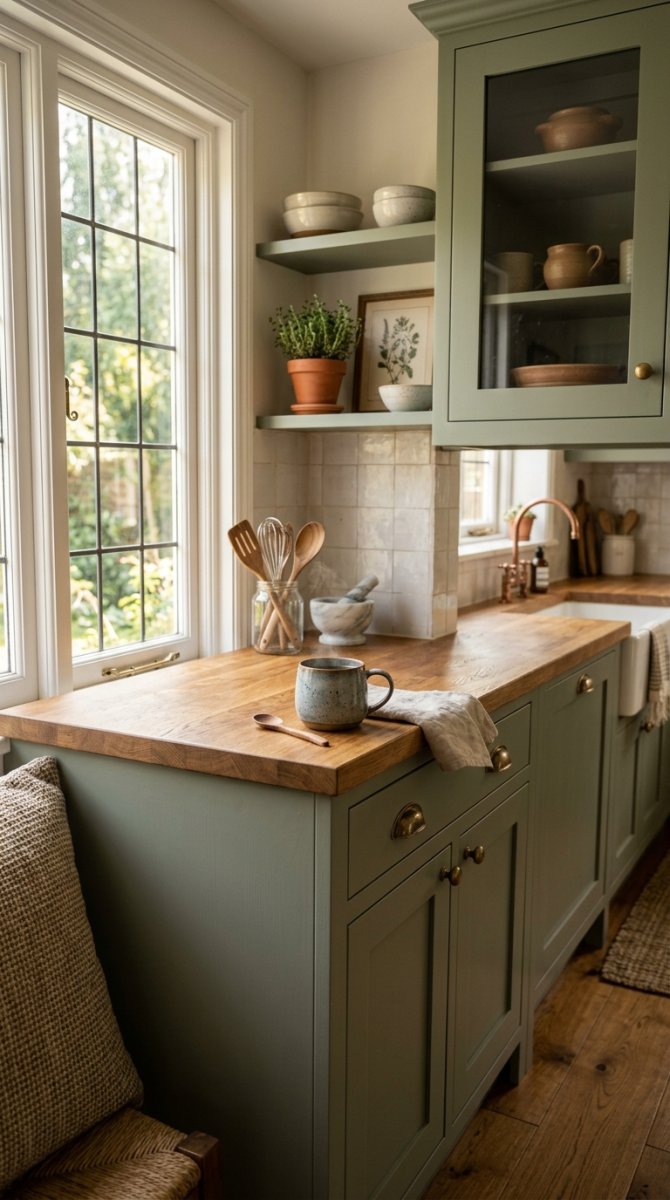
Sage green works best with warm accents, a good finish, and careful sampling. Test the color in your light, prepare surfaces well, and choose hardware and counters that complement it.