A tiny kitchen doesn’t need a remodel to work better. Many organizing fixes cost little or nothing, using things you already have and the space you’ve been overlooking.
This guide covers 10 free or low-cost organization ideas for small kitchens, with a quick checklist and FAQ. It’s based on common organizing advice rather than personal experience, so adapt each idea to your cabinets and habits.
1. Measure before you buy bins
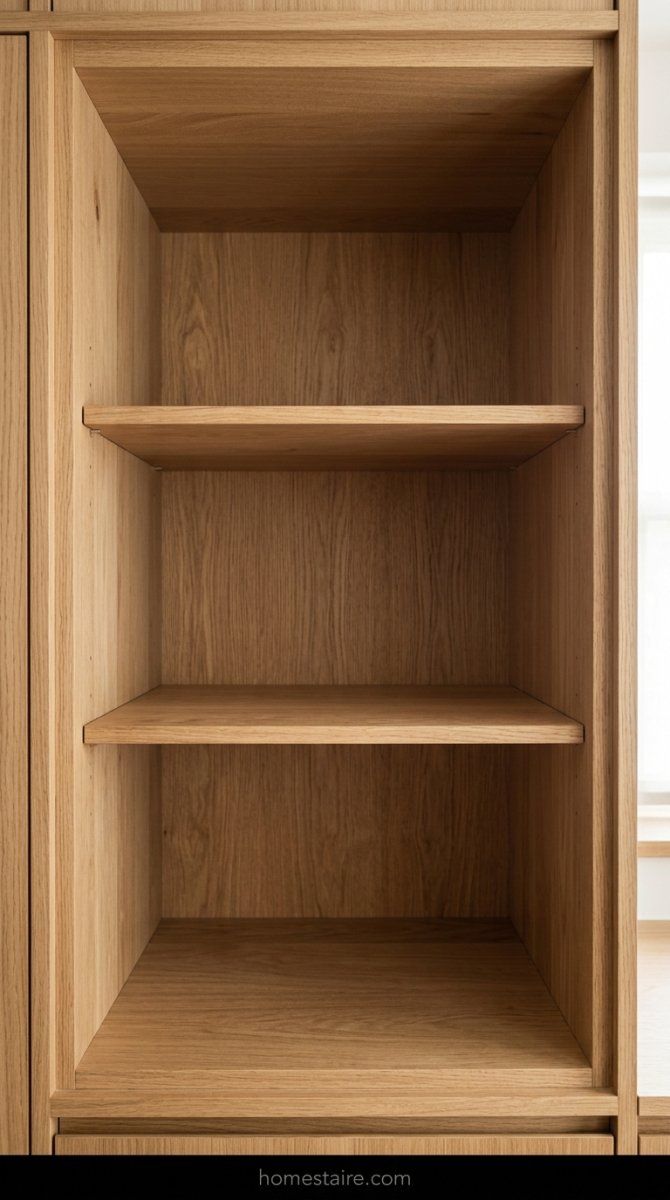
Store-bought bins often waste space or don’t fit. Measure your shelves and drawers first, and use what you have.
Clean boxes and containers can work as organizers.
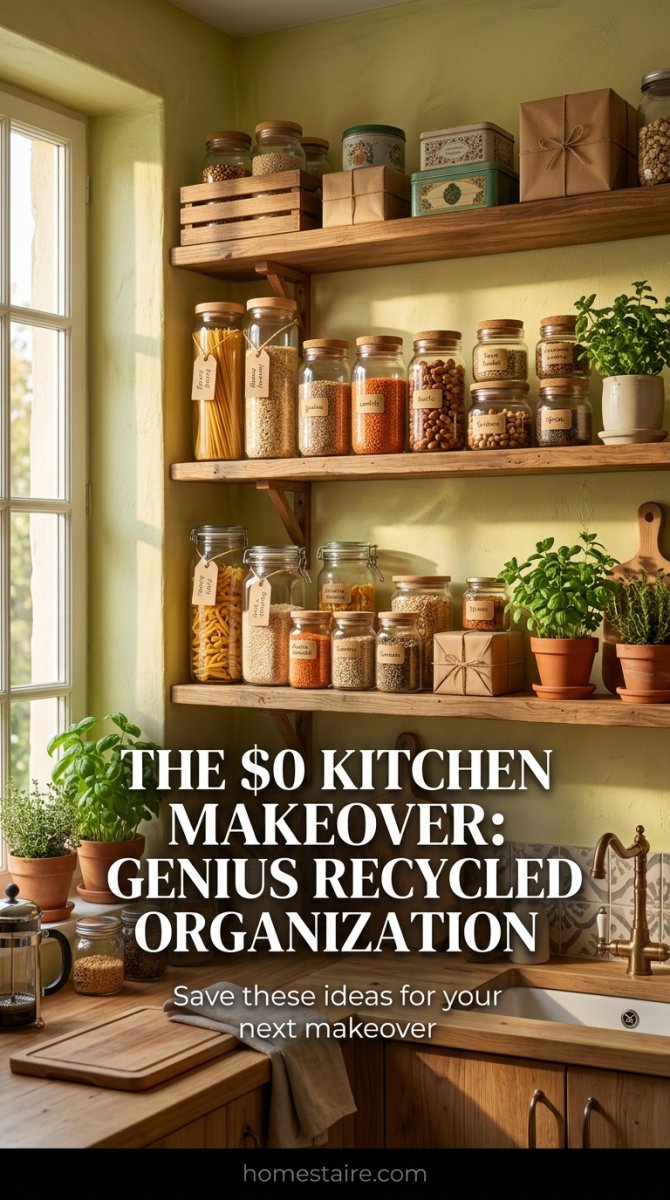
2. Reuse glass jars
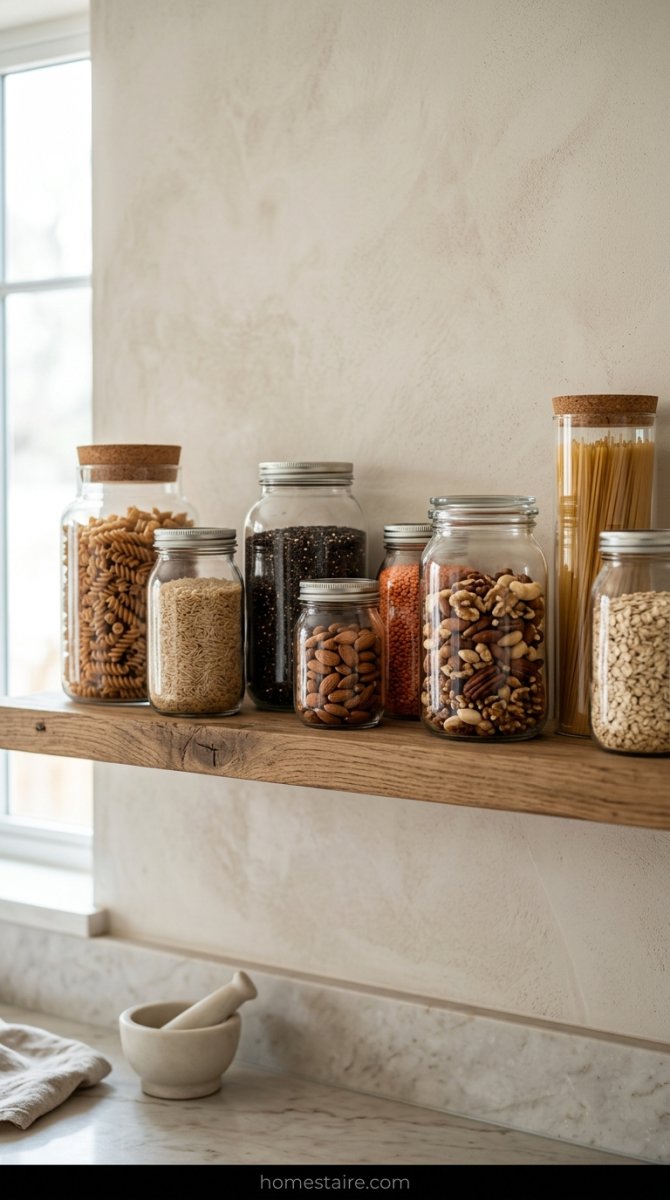
Washed pasta sauce and jam jars store dry goods, spices, and leftovers.
Label them and check lids for a tight seal.
3. Make drawer dividers from boxes
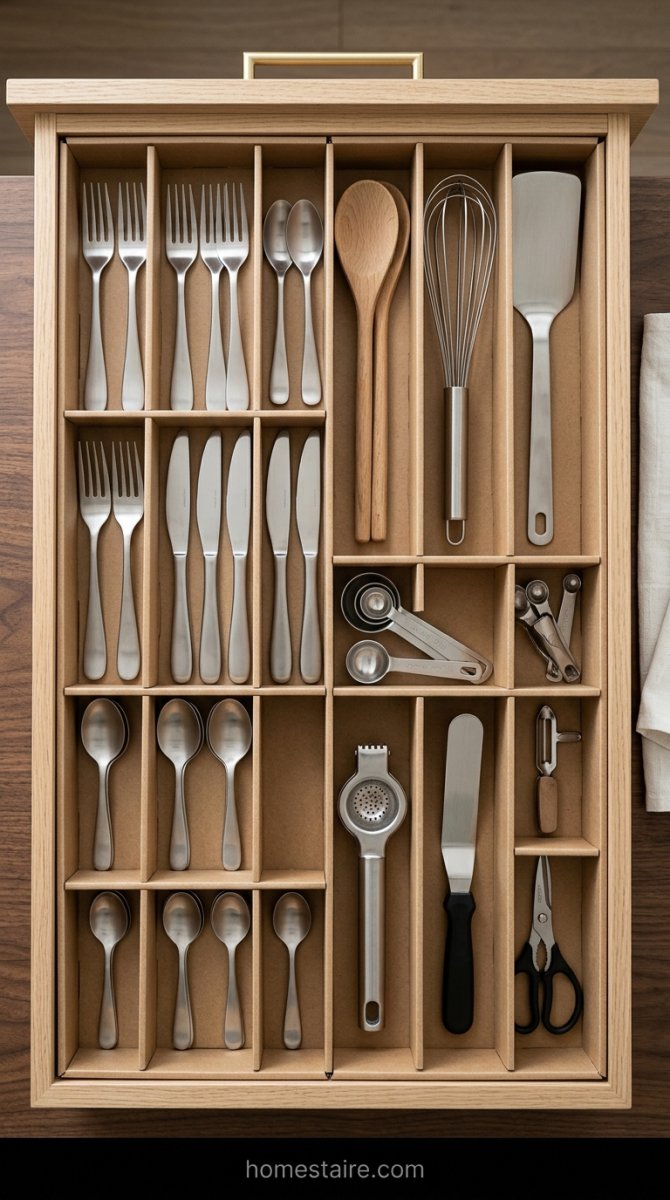
Cut cereal boxes to size to divide drawers for utensils and tools.
Line them with paper or tape for durability.
4. Use the space above cabinets
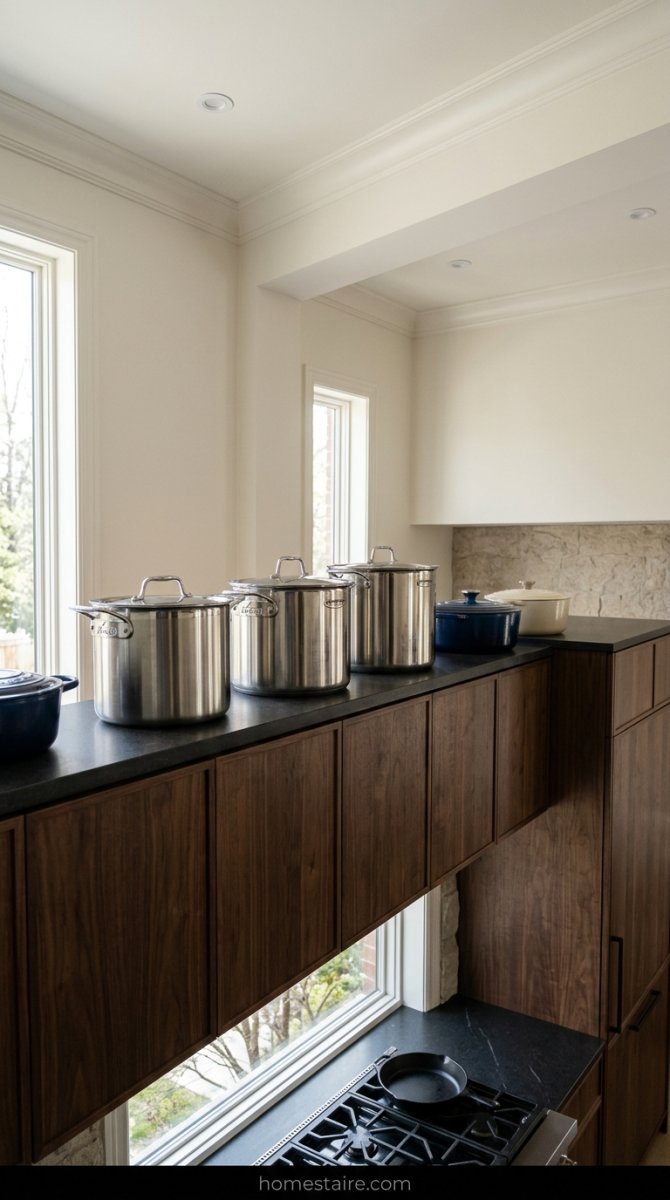
Baskets or boxes above cabinets hold rarely used items.
Store lightweight things up high and use a step stool.
5. Hang lids on adhesive hooks
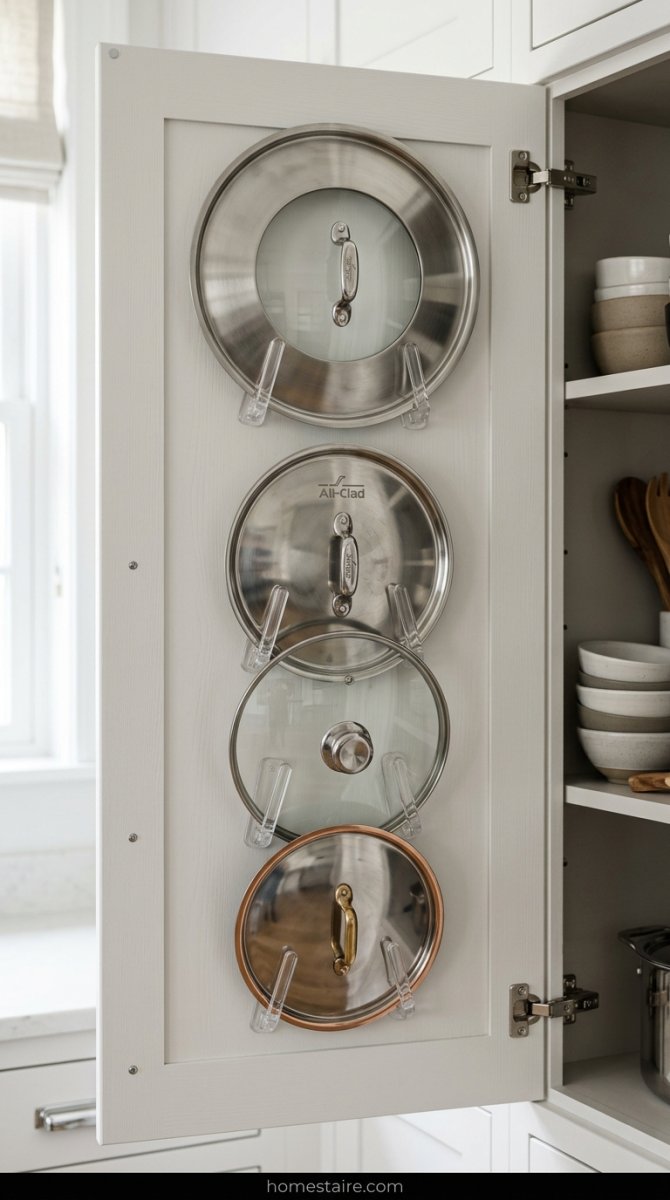
Adhesive hooks on the inside of cabinet doors hold lids and small tools.
Follow the weight limits and apply on a clean surface.
6. Stack plates efficiently
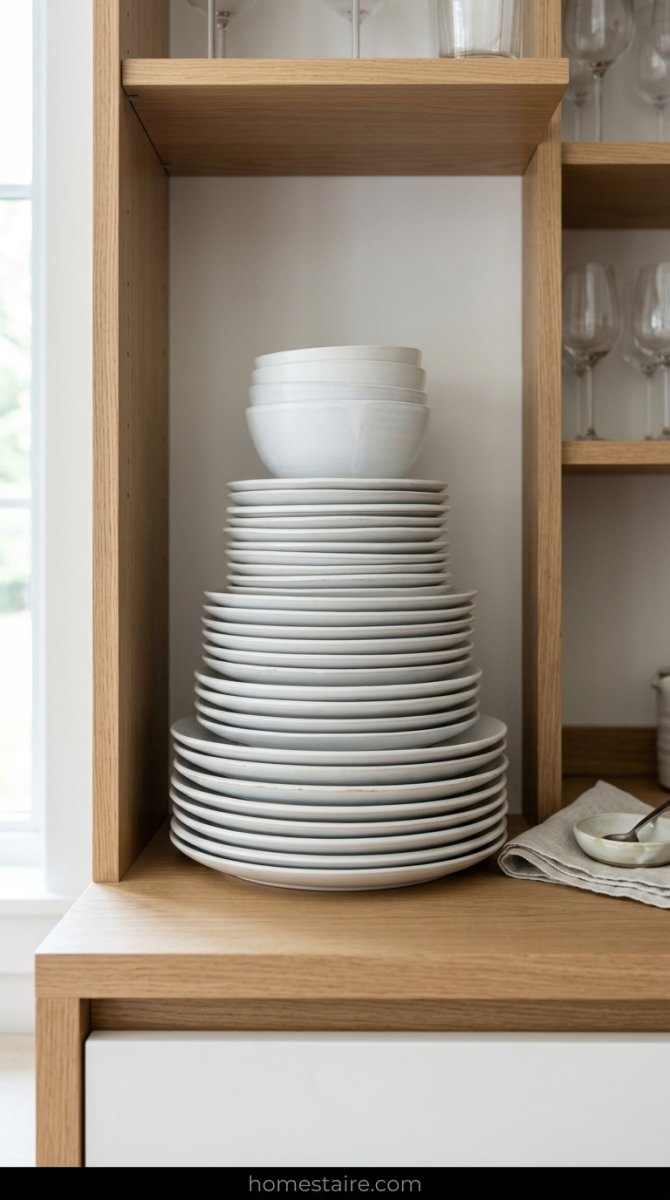
Stack plates by size and keep the most-used ones at the front. Don’t stack too high.
Shelf liners help prevent slipping.
7. Add a tension rod under the sink
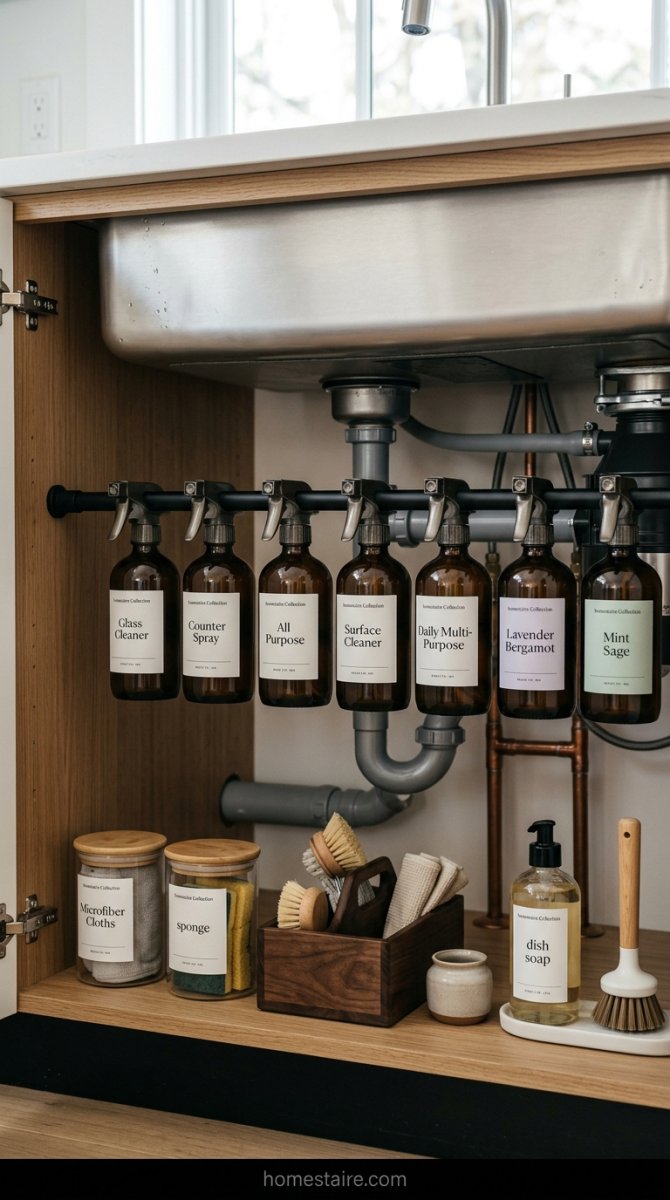
A tension rod holds spray bottles by their triggers, freeing the cabinet floor.
Store chemicals out of the reach of children.
8. Follow a one-in, one-out rule
When you bring something new in, remove an old item. It stops clutter from returning.
Donate extras.
9. Use shoe boxes in the pantry
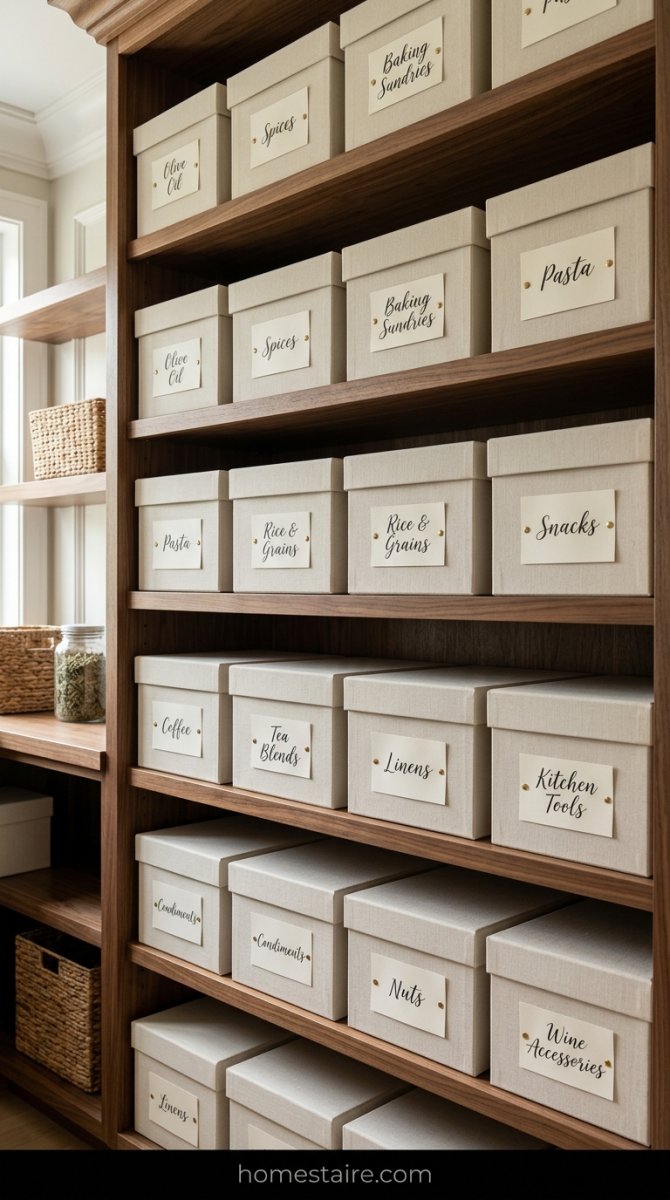
Sturdy boxes group packets and snacks and slide in and out.
Use lidless boxes for easy access.
10. Create expiration zones in the fridge
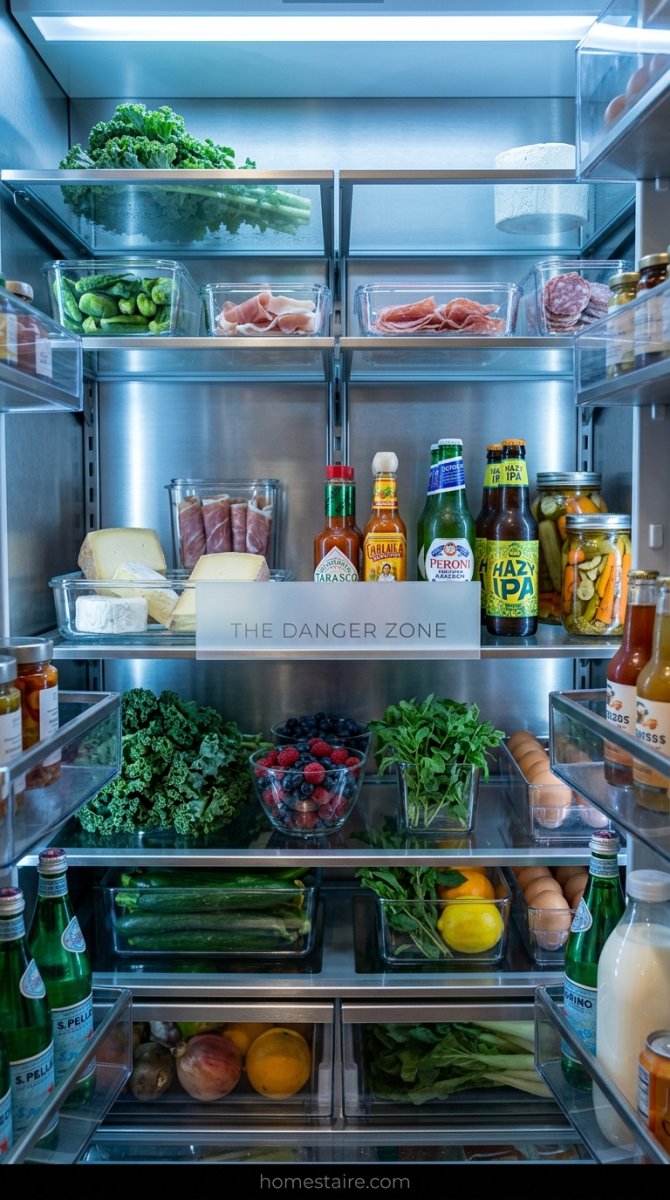
Keep items that expire soon in one visible spot and use them first.
It cuts food waste.
Quick tiny kitchen checklist
- Empty one cabinet or drawer at a time and keep only what you use.
- Group items by task, such as baking, coffee, or cooking.
- Store heavy items low and light items high.
- Use doors and walls for hooks and racks.
- Keep counters clear except for daily items.
Set up zones in a tiny kitchen
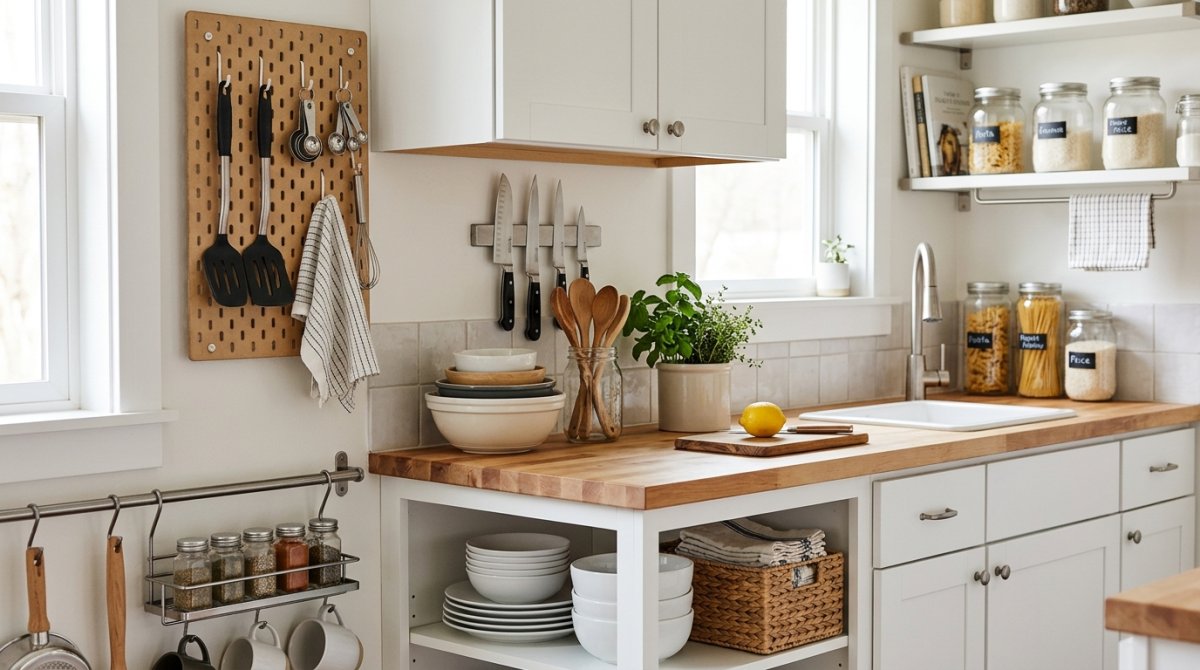
Group items by task so everything you need for a job is within reach. A prep zone near the counter holds knives, cutting boards, and bowls. A cooking zone near the stove holds pans, utensils, oil, and spices. A cleaning zone by the sink holds soap, brushes, and towels. A coffee or baking zone can take a small shelf or tray.
Store the most-used items between waist and shoulder height, and put heavy items low.
A short weekly routine
Organization lasts when it’s maintained. Once a week, clear the fridge of old food, wipe shelves, and return items to their zones. Once a month, check the pantry for duplicates and expired items. A five-minute reset after dinner keeps counters clear and prevents a weekend cleanup.
Tiny kitchen FAQ
How do I organize a small kitchen with no pantry? Use shelves, wall hooks, and the space above cabinets, and group items in boxes.
Do I need to buy organizers? Not at first. Try reusing jars and boxes before buying.
How often should I declutter? A quick review every few months helps.
Conclusion
A tiny kitchen works better with simple systems and honest editing. Start with one drawer or shelf, reuse what you have, and build habits that keep clutter out.